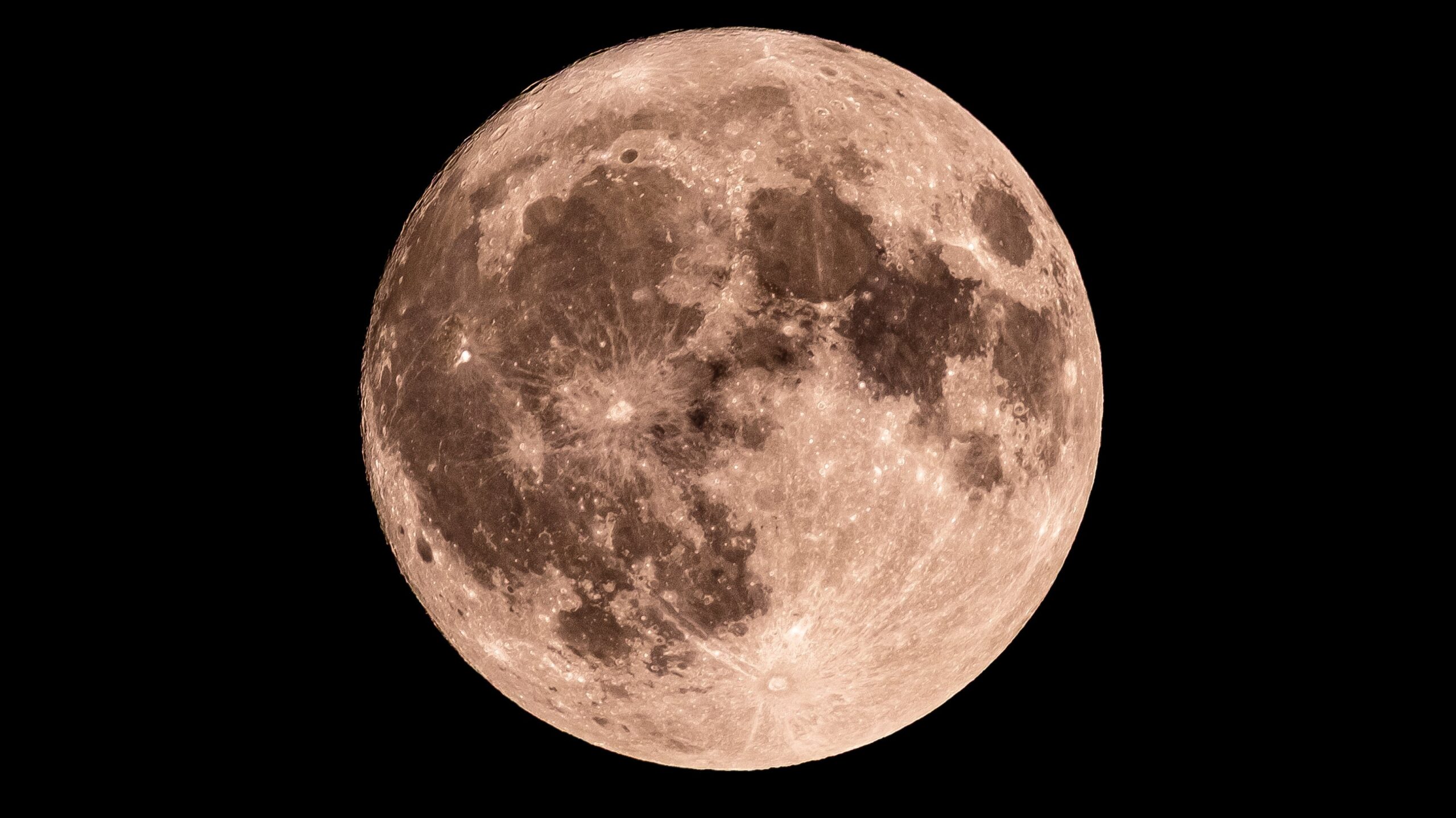
The Moon will present a Waning Crescent phase on January 16, with only 5% of its surface illuminated, making visibility minimal for stargazers. As the current lunar cycle approaches its conclusion, the Moon will nearly vanish from view, offering a glimpse into the natural rhythm of its phases.
Understanding the Lunar Cycle
The lunar cycle comprises a series of eight distinct phases, repeating approximately every 29.5 days. This cycle reflects how sunlight illuminates different portions of the Moon as it orbits Earth. Each phase offers a unique view, influenced by the Moon’s position relative to both Earth and the Sun.
While the Moon’s visible side remains constant, the amount of sunlight illuminating it changes dramatically. This phenomenon explains why the Moon can appear completely full, partially lit, or entirely dark during its monthly cycle. The eight phases are categorized as follows:
– **New Moon**: The Moon is positioned between Earth and the Sun, rendering it invisible.
– **Waxing Crescent**: A sliver of light appears on the right side.
– **First Quarter**: Half of the Moon is lit on the right, resembling a half-Moon.
– **Waxing Gibbous**: More than half is illuminated, but it has not yet reached fullness.
– **Full Moon**: The entire face of the Moon is fully visible.
– **Waning Gibbous**: The light begins to diminish on the right side.
– **Third Quarter (or Last Quarter)**: Half-Moon appears again, but this time the left side is illuminated.
– **Waning Crescent**: Only a thin sliver of light remains on the left side before it becomes dark again.
Upcoming Full Moon and Visibility
Looking ahead, the next Full Moon will occur on February 1, following the last Full Moon on January 3. Given the current Waning Crescent phase, stargazers may need to wait for the upcoming Full Moon to fully appreciate the Moon’s brilliance in the night sky.
For those interested in lunar observation, the best opportunities to view the Moon will arise during its brighter phases. Until then, the Waning Crescent serves as a reminder of the celestial cycles that govern our night sky.