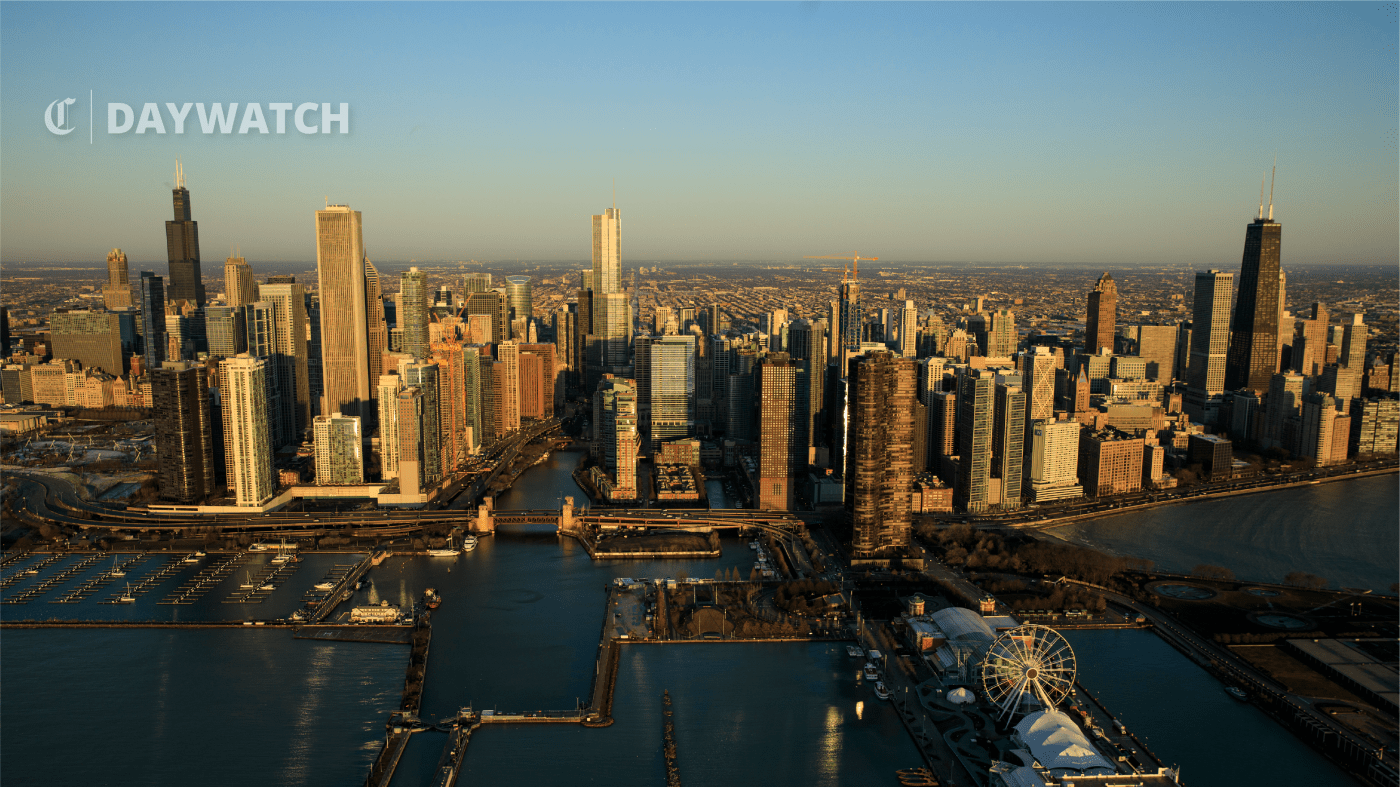
A recent survey reveals that a significant majority of Chicago residents disapprove of the Trump administration’s immigration enforcement actions. According to results from a study commissioned by the Mansueto Institute for Urban Innovation and conducted by NORC at the University of Chicago, approximately 65 percent of Chicagoans believe that these federal activities have “gone too far.” However, the survey also highlights sharp divisions among residents based on race, income, and age regarding immigration enforcement and the city’s sanctuary status.
The survey found that opposition to federal enforcement and support for Chicago’s sanctuary policies were most prevalent among white residents, those with higher incomes, and individuals living on the city’s North Side. This demographic disparity underscores the complex views held by Chicagoans on immigration issues, reflecting broader national trends.
Political Reactions and Legislative Movements
In related political developments, U.S. Representative Robin Kelly has introduced a resolution to impeach Homeland Security Secretary Kristi Noem over allegations of constitutional violations during immigration crackdowns in Chicago and Minneapolis. This largely symbolic action comes as part of a broader response from approximately 70 Democratic colleagues, aimed at addressing concerns raised by recent enforcement tactics. The House of Representatives remains under a narrow Republican majority, making the impeachment effort unlikely to succeed.
On the Senate side, a war powers resolution intended to limit President Trump’s military actions in Venezuela faced defeat. This occurred after two Republican senators reversed their initial support under pressure from the administration. The political climate surrounding immigration enforcement, coupled with issues related to foreign military actions, continues to stir debate among lawmakers.
Community Impact and Ongoing Investigations
The community’s anxiety over immigration enforcement intensified following a tragic incident in Minneapolis, where immigration enforcement agents were involved in the fatal shooting of Renee Good on January 7, 2026. Good’s family has engaged a prominent civil rights firm to conduct a civil investigation into the incident, emphasizing the necessity for transparency in matters of national importance. The outrage following this event has further fueled discussions on the efficacy and morality of current immigration policies.
In addition to these events, a recent investigation by the Chicago Tribune into hospitals’ use of the guardianship system has prompted new legislative proposals. The findings are expected to influence discussions in the Illinois House of Representatives, which will consider a bill aimed at prohibiting private entities from being appointed as guardians in such cases.
The political landscape in Chicago remains dynamic, with ongoing tensions surrounding immigration policies reflected in both public opinion and legislative actions. As the city grapples with these significant issues, community leaders and residents continue to advocate for policies that reflect their values and priorities.