Cleveland State University (CSU) is currently facing a lawsuit regarding its recent decision to transfer control of its student radio station, WCSB, to Ideastream, a public media organization. The controversial switch, which took place on October 3, 2025, surprised students and community members, who were taken aback when the station abruptly shifted its programming to smooth jazz.
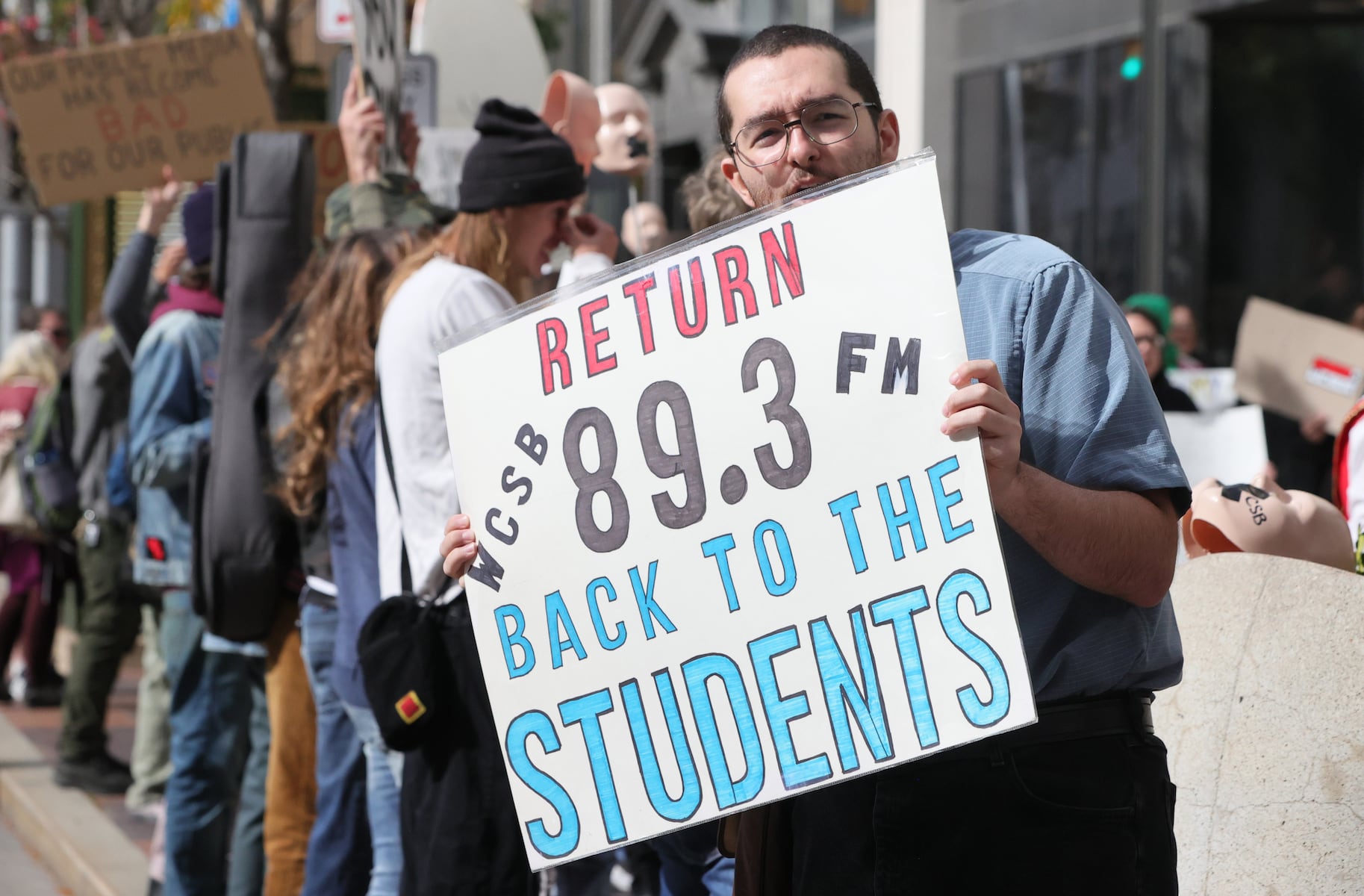
The unexpected change has sparked protests among students and loyal listeners who argue that the decision undermines free speech and the independent voice of the station. Public records obtained reveal that CSU may have breached state sunshine laws during closed-door meetings with Ideastream. A nondisclosure agreement signed six months prior to the transfer has kept discussions about the transaction largely under wraps.
A lawsuit filed in Cuyahoga County alleges that CSU President Laura Bloomberg aimed to silence dissenting opinions within the university. The complaint suggests that Bloomberg, who gained a position on the Ideastream board as part of the deal, became increasingly frustrated with the independent voices at WCSB. It claims that she responded to student protests—related to university policies—by contacting law enforcement to remove students from the station, even though they had not engaged in any criminal activity or violated university rules.
In the wake of the transfer, students and community advocates have continued to rally for the return of the radio station. Three months since the deal, their efforts persist as they seek accountability from CSU and transparency in future dealings.
The lawsuit raises significant concerns regarding the implications for free speech and open governance at public universities. Advocates of the radio station contend that the transfer represents a broader trend of stifling independent media voices within educational institutions. They emphasize that WCSB has a rich history as a platform for diverse opinions and artistic expression, which they believe should be preserved.
As the situation unfolds, the impact of the lawsuit and the university’s response will likely shape the future of campus media not only at CSU but at universities across the country. The case underscores the tensions that can arise between administrative decisions and the voices of students and community members, especially in environments traditionally seen as bastions of free expression.
The CSU community remains watchful as this legal battle progresses, hoping for a resolution that honors the values of transparency and free speech.