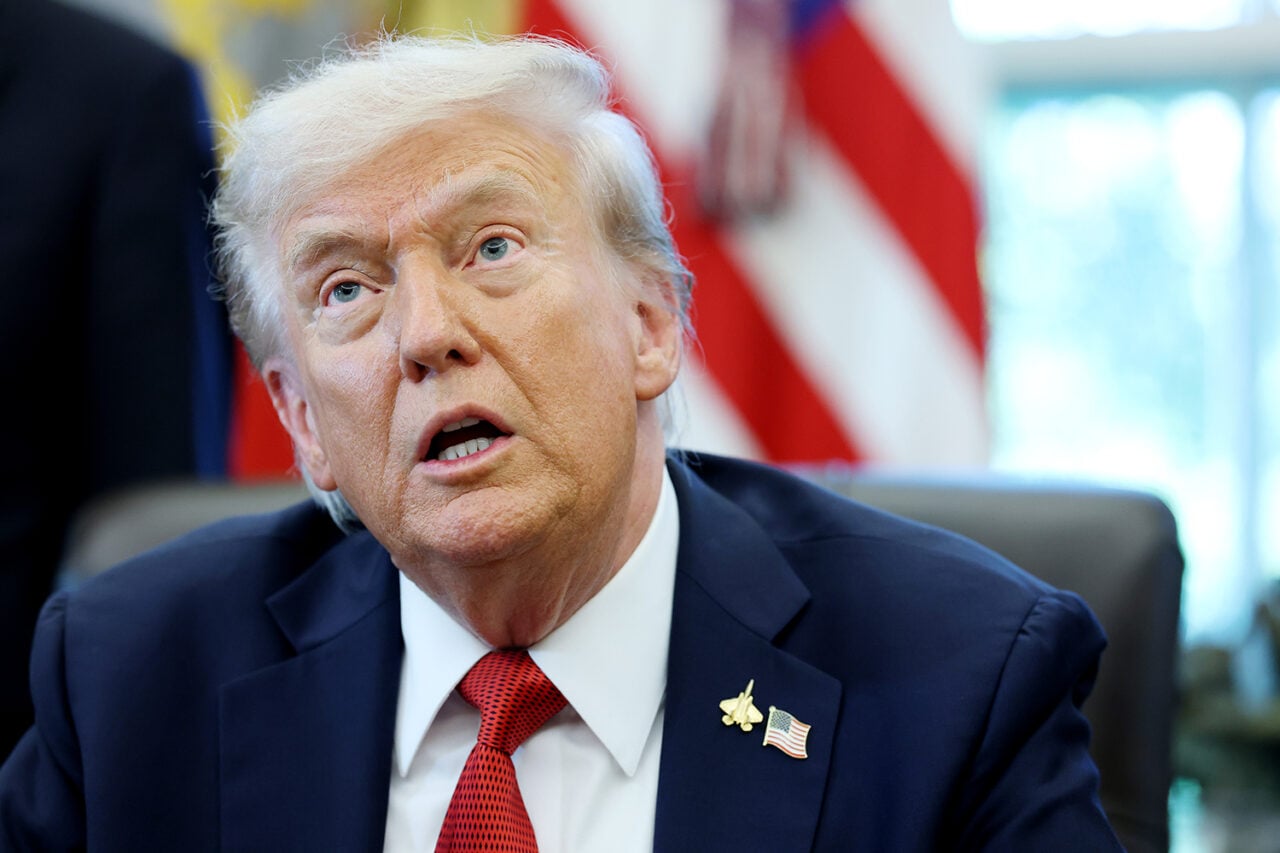
UPDATE: The Trump administration has just announced a significant investment to bolster U.S. critical mineral production. The U.S. Department of Defense is partnering with Atlantic Alumina (ATALCO), committing $150 million in preferred equity to enhance domestic supplies of alumina and gallium.
This urgent move comes as the U.S. grapples with a critical supply chain reliance on China, which currently dominates the global alumina market at 60% and gallium at over 90%. The strategic partnership is designed to counter China’s grip on these essential materials, which are vital for semiconductors, next-gen energy technology, and defense systems.
ATALCO, which has been producing alumina in Louisiana since 1959, plans to use this funding to increase its alumina production to over 1 million metric tons annually and establish the “first and only large-scale primary gallium production circuit,” anticipated to yield up to 50 metric tons of gallium yearly.
The significance of this deal cannot be overstated. As stated in a press release by ATALCO, “Aligning this essential public sector support with private sector investment will secure onshore supply of alumina and gallium, which are contested commodity market segments currently dominated by China.”
Furthermore, this investment reinforces the Trump administration’s strategy of taking direct equity stakes in key companies rather than relying solely on traditional subsidies or loans. This approach is evident from past actions, including a 10% stake acquisition in chipmaker Intel, and backing for several mining firms linked to critical materials.
With the Department of Defense poised to announce additional funding within the next 30 days, the implications of this partnership are profound. Not only does it aim to revitalize U.S. mineral production, but it also highlights the administration’s shift towards a more aggressive stance against foreign dominance in essential resource markets.
As this story develops, industry experts and government officials will closely monitor ATALCO’s progress and the broader impacts on U.S. supply chains. The urgency of this investment reflects the increasing need for self-reliance in crucial materials, especially amid escalating global tensions.
Stay tuned for more updates on this developing story, as the U.S. positions itself to reclaim critical mineral production and reduce dependence on foreign supply chains.