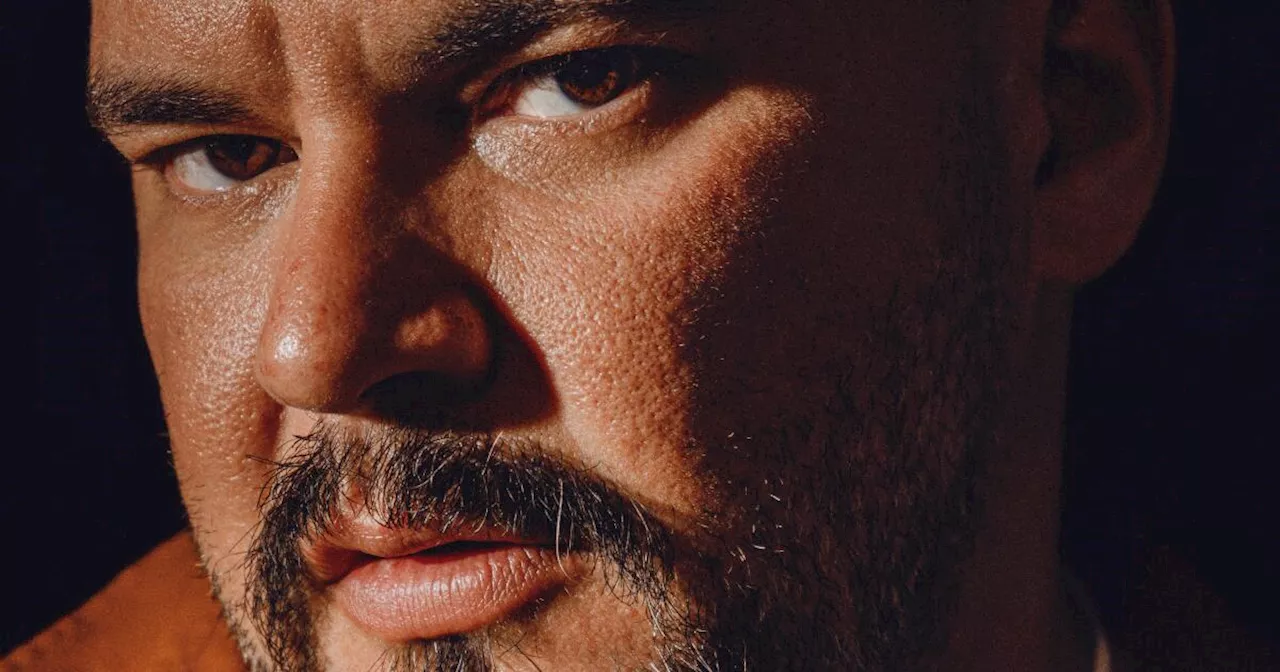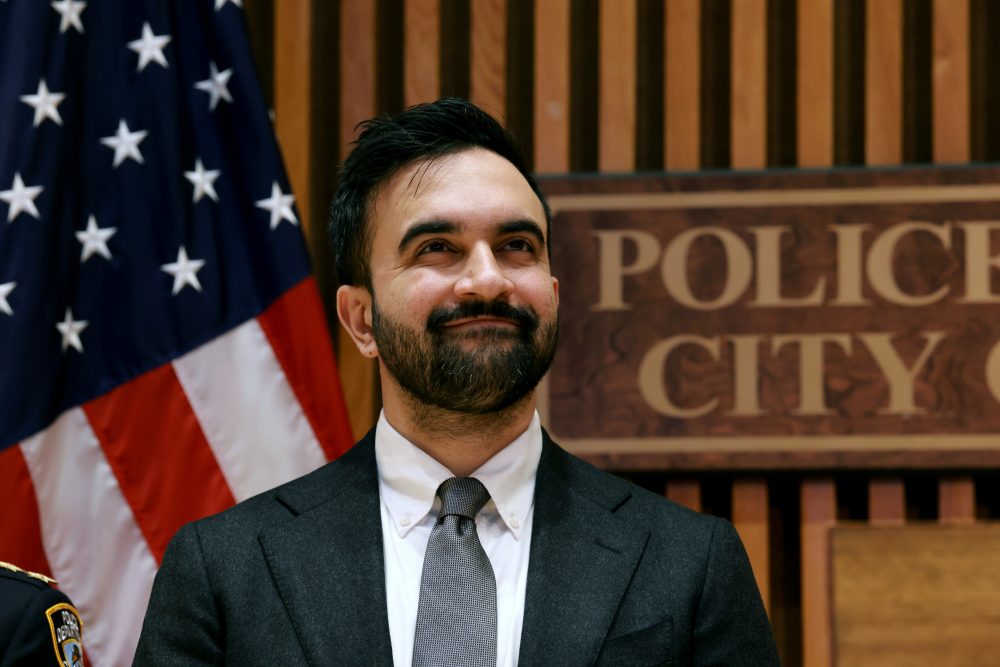
New York City Mayor Zohran Mamdani has officially appointed Rafael Espinal to head the Mayor’s Office of Media and Entertainment. In his new role, Espinal will be tasked with implementing the administration’s policies aimed at making New York City a sustainable environment for artists and creatives. This initiative is particularly crucial in light of the escalating cost of living that has increasingly driven creative professionals out of the city.
The Mayor’s Office of Media and Entertainment oversees various essential functions, including the film office, NYC Media, and the press credential office. Espinal will report directly to Julie Su, the Deputy Mayor of Economic Justice. His responsibilities will encompass permitting, licensing, and providing incentives for filming in New York City.
Mamdani emphasized the importance of the arts in shaping the identity of New York City, stating, “You cannot tell the story of New York City without the artists who have shaped it. Yet, the cost-of-living crisis is driving creatives out of our city. That is a loss we cannot afford.” He expressed confidence in Espinal’s ability to support local artists, citing his national advocacy for the rights and protections of independent workers.
Espinal previously served on the New York City Council from 2014 to 2020, representing neighborhoods such as Bushwick, Brownsville, Cypress Hills, and East New York. After stepping down from the Council, he led the Freelancers Union, where he worked on issues affecting independent workers. Prior to his Council tenure, Espinal was a member of the New York State Assembly from 2011 to 2013.
In response to his new appointment, Espinal stated, “I look forward to supporting our creative industries, expanding opportunities, and ensuring that the city remains a home for artists.” His vision will play a critical role in maintaining New York’s reputation as a hub for creativity and innovation amidst rising living costs.
The appointment of Espinal marks a significant step for the Mamdani administration in prioritizing the needs of the creative community, which is integral to the city’s cultural fabric. As challenges continue to mount for artists in urban environments, this leadership change aims to foster an ecosystem where creativity can thrive.