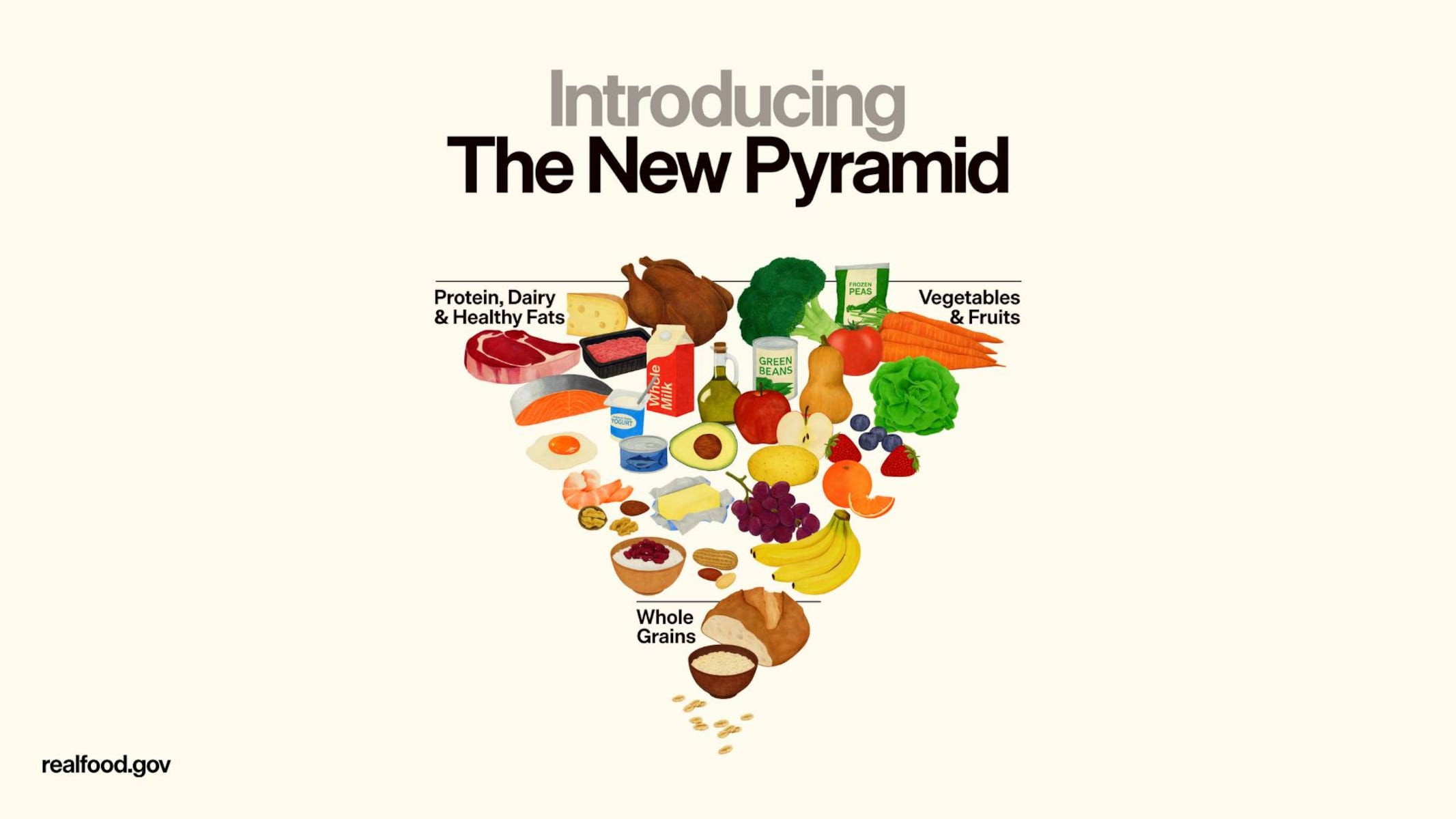
On January 7, 2025, the federal government unveiled the latest edition of the Dietary Guidelines for Americans (2025-2030). This updated framework aims to encourage healthier eating habits across the nation, addressing rising concerns about chronic diseases. Federal officials have highlighted the guidelines as an essential tool to reshape the country’s food culture, particularly as statistics reveal that approximately half of American adults are living with diabetes or prediabetes.
Key Focus on Nutrient-Dense Foods
A significant shift in the new guidelines is the emphasis on “real food,” which refers to whole or minimally processed foods that do not contain added sugars, industrial oils, or artificial additives. Robert Kennedy Jr., Secretary of the Department of Health and Human Services, underscored the initiative as a return to fundamental dietary principles aimed at enhancing public health. The guidelines are designed to tackle chronic conditions by promoting a diet rich in nutrient-dense options.
To make these guidelines actionable, specific daily recommendations have been introduced. For instance, adults are encouraged to consume between 1.2 to 1.6 grams of protein per kilogram of body weight. Additionally, the guidelines suggest three servings of vegetables, two servings of fruits, and three servings of dairy each day. Whole grains, now less emphasized, are recommended at two to four servings daily. Furthermore, limiting saturated fats to 10% of total daily calories and sodium intake to below 2,300 milligrams is encouraged to promote overall health.
Visual Changes to the Food Pyramid
The new food pyramid has undergone a dramatic transformation. In this version, protein, dairy, healthy fats, vegetables, and fruits are prioritized at the top, marking a departure from previous iterations that emphasized grains more heavily. This reorganization highlights the importance of incorporating a variety of nutrient-dense foods, such as eggs, seafood, meats, full-fat dairy, nuts, and avocados.
Conversely, whole grains are now positioned at the bottom of the pyramid, with a focus on fiber-rich alternatives like whole-wheat bread and brown rice. Refined carbohydrates, including white bread and many sugary breakfast items, are now discouraged.
Another critical aspect of the guidelines is the strong recommendation to limit added sugars. The guidelines stipulate a maximum of 10 grams of added sugar per meal, urging consumers to scrutinize food labels for hidden sugars, which can appear under various names, including high-fructose corn syrup and dextrose.
Practical Guidance for Cooking and Beverages
The guidelines also extend beyond food choices to include advice on cooking methods and beverage selections. Instead of a universal daily calorie target, the new recommendations advocate for personalized portion control based on an individual’s age, sex, and activity level. Preferred cooking techniques include baking, broiling, roasting, and stir-frying, while deep-frying is discouraged.
For beverages, water and unsweetened drinks are recommended as the best options. Sugar-sweetened beverages should be avoided, and consumption of 100% fruit juices should be limited or diluted.
For more detailed information on the updated guidelines, consumers are encouraged to visit realfood.gov. As the United States moves forward with these recommendations, the focus remains on fostering a culture of healthier eating and addressing significant public health challenges.