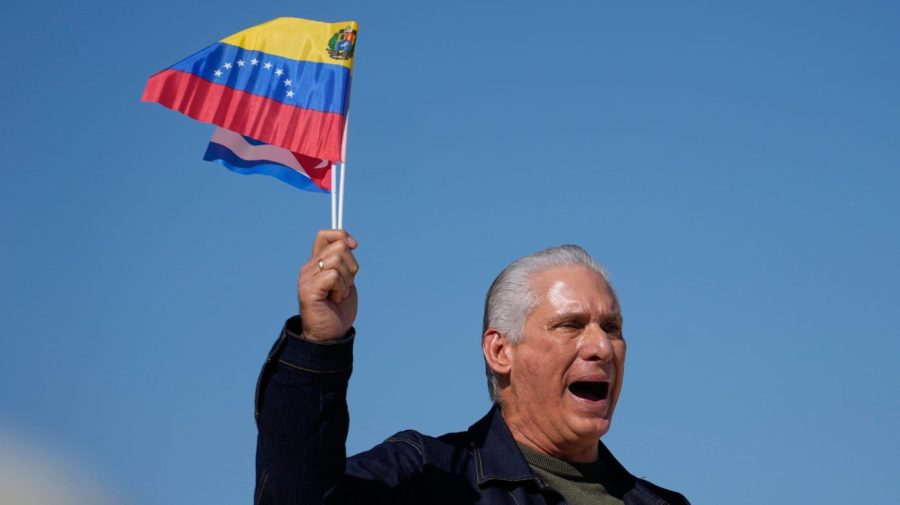
Cuba has firmly rejected President Donald Trump’s recent demand to negotiate a deal with the United States, asserting its right to sovereignty. In an official statement, the Cuban government emphasized, “No one dictates what we do,” reinforcing its stance as a “free, independent, and sovereign nation.”
The remarks come as tensions between Cuba and the United States have persisted for over six decades. The Cuban government highlighted its view that it has endured aggression from the United States for 66 years, positioning itself as a victim rather than an aggressor. This statement reflects a long-standing narrative within Cuban politics, rooted in historical grievances dating back to the Cold War era.
Historical Context of US-Cuba Relations
The relationship between Cuba and the United States has been fraught with challenges since the Cuban Revolution in 1959. The imposition of an economic embargo by the U.S. has significantly impacted the Cuban economy, leading to widespread hardship. The Cuban leadership frequently cites these sanctions as a primary source of economic difficulties and a justification for their defensive posture.
As the U.S. administration continues to press for changes in Cuban policy, the island nation remains steadfast in its commitment to independence. Recent comments from Cuban officials underscore their resolve to maintain control over domestic and foreign affairs, emphasizing that any agreements must respect Cuba’s autonomy.
Cuba’s response may also serve to rally domestic support by framing the U.S. stance as an external threat. This approach is not new; throughout history, Cuban leaders have utilized the narrative of external aggression to consolidate power and unify the population against perceived foreign interference.
Implications for Future Negotiations
The rejection of Trump’s demands signals a potential impasse in U.S.-Cuba relations, particularly as the Biden administration takes office. Analysts suggest that any future negotiations will require a significant shift in approach from the United States, one that respects Cuba’s sovereignty while addressing mutual concerns.
Cuban officials have indicated a willingness to engage in dialogue but have made it clear that any discussions would need to occur on equal terms. The insistence on sovereignty presents a complex challenge for U.S. policymakers who have long sought to influence change in Cuba through diplomatic and economic measures.
As the situation evolves, the international community will be watching closely. The dynamics between these two nations will likely continue to shape regional politics in the Caribbean and beyond, with implications for broader geopolitical relations involving other Latin American nations.
In conclusion, Cuba’s emphatic rejection of President Trump’s demands reflects a deep-rooted commitment to its independence. The future of U.S.-Cuba relations remains uncertain, but the current stance indicates a continued resistance to external pressure and an assertion of national sovereignty.