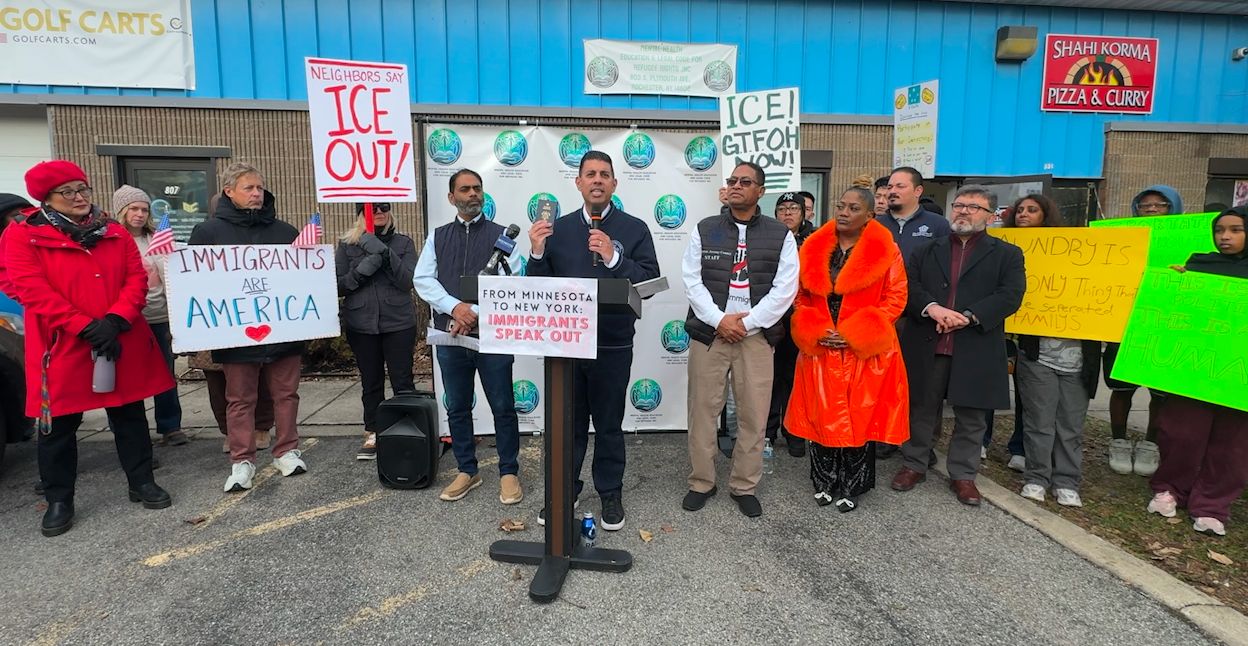
Mass protests unfolded across the United States over the weekend, primarily in response to the fatal shooting of Renee Nicole Good, a 37-year-old woman, by a U.S. Immigration and Customs Enforcement (ICE) agent in Minneapolis. The incident, which has drawn significant public outcry, has prompted demonstrations from immigrant communities in various cities, including Rochester, New York.
Details of the Incident Spark Outrage
The shooting of Good, which was captured on video by multiple witnesses, has raised serious questions about the tactics used by federal immigration officials. According to statements from the Trump administration, the agent acted in self-defense during the encounter. Yet, many community leaders and activists dispute this narrative, citing a pattern of escalating violence from ICE.
“It’s really painful because I am a mother of five and I am an immigrant,” stated Hani Ali, founder of the Mental Health Education and Legal Code for Refugees. Ali emphasized the need for accountability and support for the immigrant community in the wake of this tragedy.
Protesters have expressed concerns not only about Good’s death but also about the broader implications of federal immigration policy. “What happened in Minneapolis is a clear escalation of the violence from ICE and other federal agents,” said Cassandra Bocanegra of the New York Immigration Coalition.
Community Response and Legislative Action
The protests have united immigrant communities from Minnesota to New York, demonstrating solidarity against perceived injustices. Haji Yuldash, an Afghan immigrant, shared his personal experience with ICE, recounting the detention of a friend who was apprehended despite holding a valid work permit.
Local officials are responding to the growing unrest with proposed legislation aimed at curtailing ICE’s powers in New York. One proposal seeks to prevent ICE agents from wearing masks while on duty, intended to enhance accountability. Another initiative would create a public online dashboard detailing ICE activity statewide, allowing residents to stay informed about immigration enforcement in their communities.
Governor Kathy Hochul has expressed her support for these legislative measures, which she plans to include in her upcoming State of the State Agenda. “As an American citizen and as a Somali citizen, I can’t do it myself. I need my leaders,” Ali added, calling on elected officials to take action.
Concerns about safety and uncertainty for immigrant families are echoed by community members. “No matter where it happens, it affects all of us. When one immigrant family is hurt, all immigrant families feel it,” said Kristen Khadka, daughter of community leader Bijaya Khadka.
As tensions rise, lawmakers are bracing for potential pushback against federal immigration actions. The situation remains fluid, with further developments expected as community leaders continue to advocate for immigrant rights and justice.
The protests serve as a poignant reminder of the challenges faced by immigrant communities in the United States, highlighting the need for dialogue and reform in immigration policy.