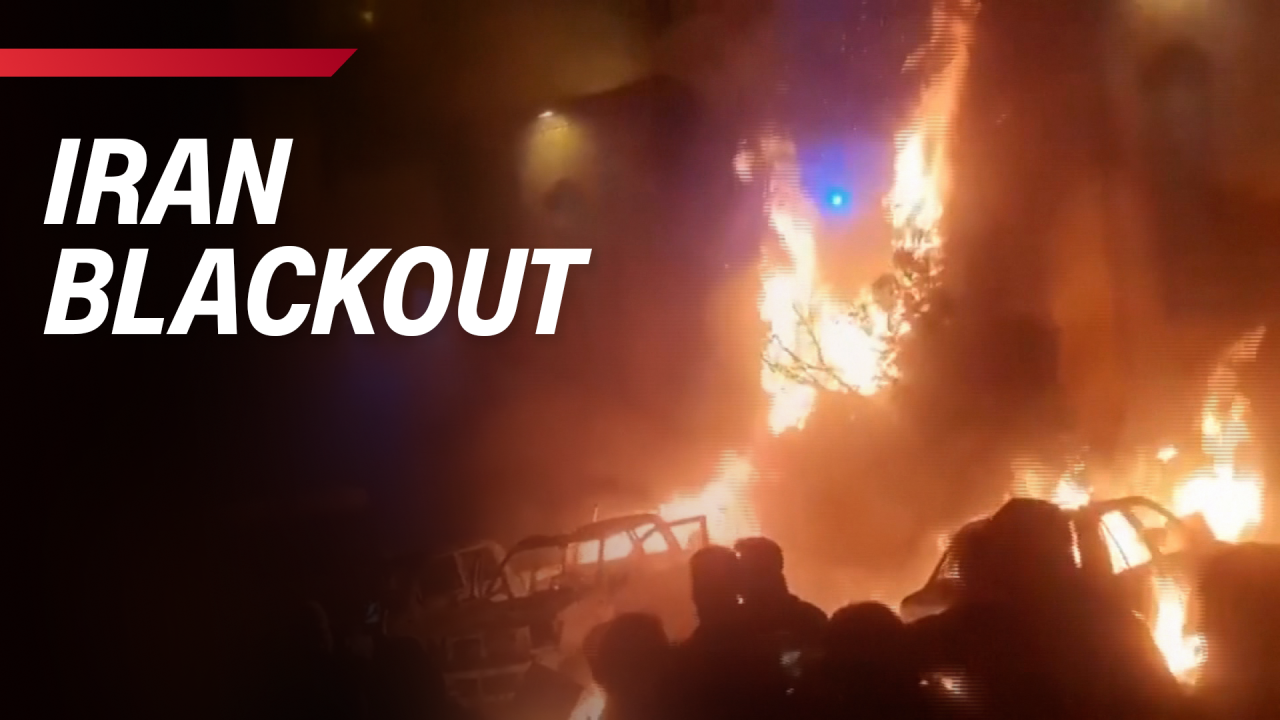
Protests in Iran have entered their second day amid a nationwide internet blackout imposed by authorities. This unrest, which has persisted for over ten days, is fueled by widespread dissatisfaction with the government, particularly regarding rising inflation and the actions of security forces. The situation escalated following mass demonstrations in the capital, Tehran, on Thursday.
Calls for Nationwide Strike
Reza Pahlavi, the son of Iran’s last monarch ousted during the 1979 Islamic Revolution, has called for a two-day nationwide strike, beginning Saturday, December 30, 2023. In a video address posted on X, Pahlavi urged “workers and employees in key sectors of the economy — especially transportation, oil and gas, and energy — to begin a nationwide strike.” His appeal comes as the government continues to restrict internet access in an effort to quell the demonstrations.
Pahlavi’s message encouraged Iranians to take to the streets with flags and national symbols, aiming to reclaim public spaces. “The goal is to prepare to seize city centers and hold them,” he stated, asserting that Friday’s protests delivered a significant message to the nation’s leaders. While he holds a symbolic position for some, it remains unclear how influential he is among the Iranian population.
Internet Blackout and Ongoing Protests
The internet blackout in Iran has now lasted over 36 hours, according to the watchdog organization NetBlocks. On Thursday, authorities severed internet and telephone connections following widespread protests across the country. As of Saturday, December 30, 2023, NetBlocks reported that the blackout severely limited the ability of Iranians to communicate and check on the safety of friends and family.
“It’s now 8:00 am in #Iran where the sun is rising after another night of protests met with repression; metrics show the nationwide internet blackout remains in place at 36 hours,” NetBlocks wrote on its Telegram channel.
The protests began on December 28, 2023, driven by frustration over economic conditions and discontent with the conservative government. The Iranian authorities’ response has included crackdowns on demonstrators, leading to heightened tensions across the nation. As the situation continues to develop, both domestic and international observers remain focused on the implications of these protests for the Iranian regime and the broader region.