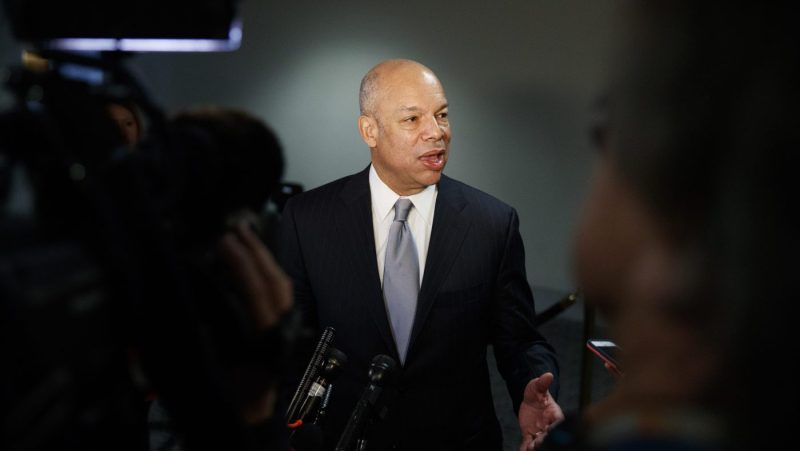
URGENT UPDATE: Former DHS Secretary Janet Napolitano has raised serious concerns about the current recruitment strategies employed by U.S. Immigration and Customs Enforcement (ICE). In a striking statement made earlier today, she criticized the rhetoric surrounding the slogan “Defend your culture,” which she argues could signify a troubling shift towards extremist ideologies.
Napolitano, who led the Department of Homeland Security from 2009 to 2013, highlighted the potential implications of this recruitment message. “What does that mean? I think that’s a dog whistle, basically, for ‘Let’s go after the great replacement,’” she stated during a press conference. This alarming commentary suggests that ICE’s recruitment efforts may be targeting individuals who align with controversial and divisive beliefs.
The implications of this recruitment strategy are profound. As immigration policies continue to evolve, the focus on such rhetoric raises questions about the motivations behind these hires. Napolitano’s remarks come at a critical time when public scrutiny of law enforcement agencies, particularly those handling immigration enforcement, is at an all-time high.
Napolitano emphasized that the recruitment of individuals with extremist views could have dire consequences on community relations and public safety. The former secretary’s concerns are echoed by various advocacy groups, who warn that such tactics could alienate immigrant communities across the United States.
This development is particularly timely, as ICE is under increased pressure to reform its practices and rebuild trust with the communities it serves. Advocates argue that recruitment based on divisive slogans could further damage relationships and exacerbate tensions.
The recruitment strategy has sparked a nationwide debate, prompting officials to clarify the intent behind the “Defend your culture” slogan. Critics argue that this language could foster a climate of fear among immigrant populations, undermining the integrity of federal law enforcement agencies.
What happens next is critical. As public discussion intensifies, it is likely that lawmakers will seek to investigate the implications of ICE’s recruitment policies. Further scrutiny from both the media and advocacy organizations is anticipated, with calls for transparency and accountability at the forefront.
Napolitano’s comments serve as a wake-up call for officials to reevaluate their messaging and recruitment efforts. As ICE navigates these challenges, the potential impact on community trust and cooperation remains a pressing concern.
Stay tuned for live updates as this story develops, and watch for responses from ICE officials and community leaders who are expected to weigh in on this contentious issue.