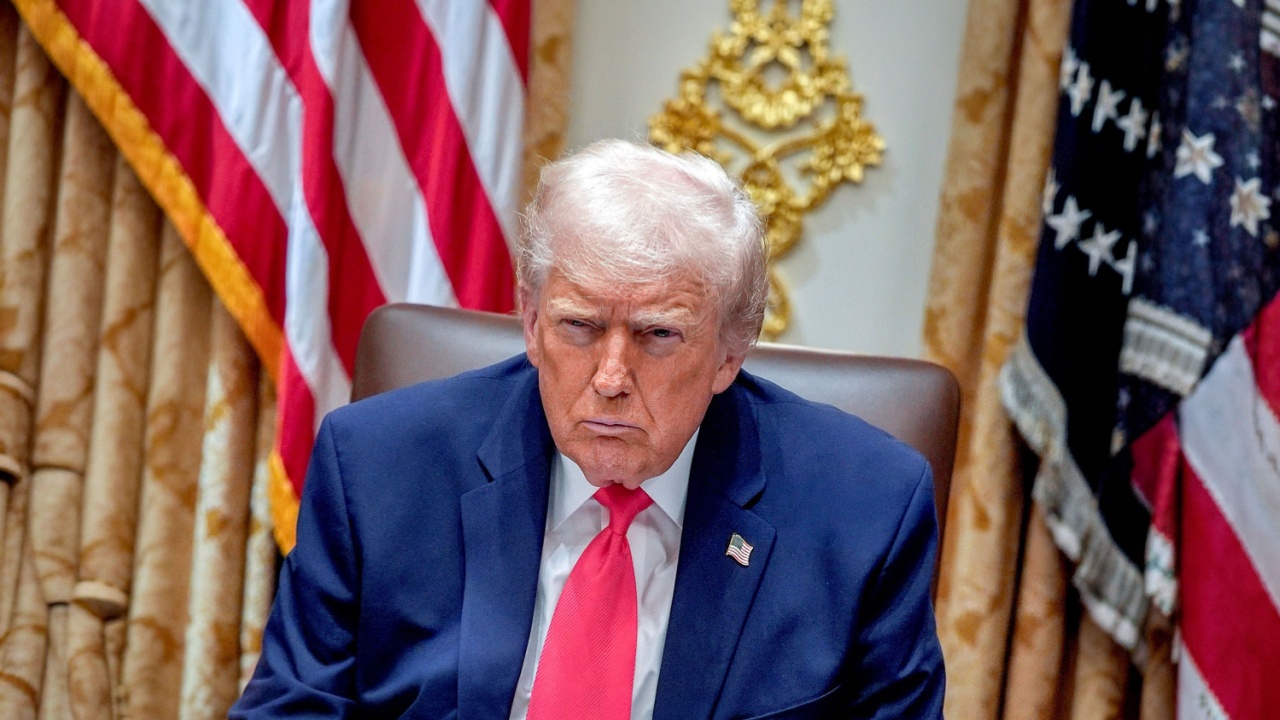
The citizens of Venezuela and Iran are currently facing a unique opportunity for change, influenced by the erratic political landscape shaped by former U.S. President Donald Trump. His administration’s policies, particularly concerning oil-rich nations, have intensified local unrest and sparked hopes for significant political reform.
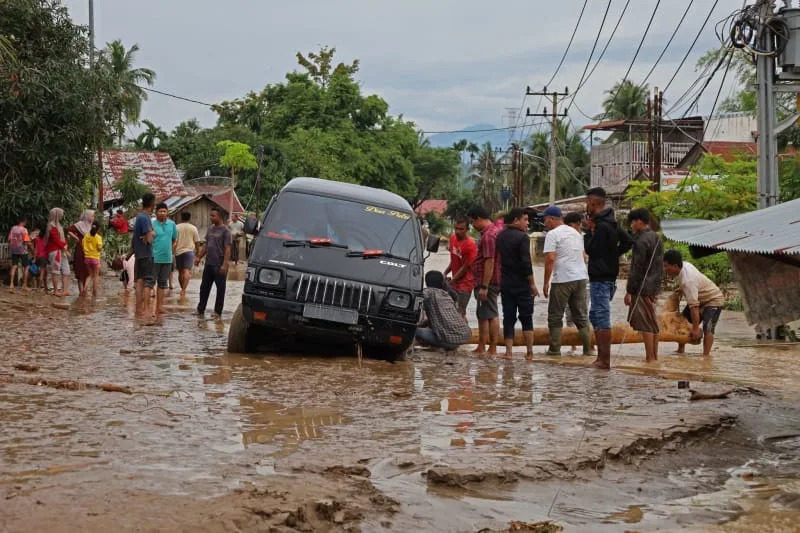
In recent months, both nations have witnessed a surge in protests against their respective governments, driven by economic hardship and demands for democratic reforms. In Venezuela, the ongoing economic crisis, exacerbated by years of mismanagement and economic sanctions, has led to food shortages and hyperinflation. According to the Venezuelan Observatory of Social Conflict, over 20,000 protests occurred in 2023 alone, reflecting widespread discontent among the populace.
Meanwhile, in Iran, the situation has been equally volatile. Following the death of Mahsa Amini in September 2022, protests erupted against the government, fueled by demands for women’s rights and broader social freedoms. The Iranian government has responded with a heavy hand, but this has only galvanized more citizens to join the movement. As of March 2024, reports indicate that at least 500 protesters have died since the demonstrations began, illustrating the intense struggle for change.
Oil Industry’s Role in Political Dynamics
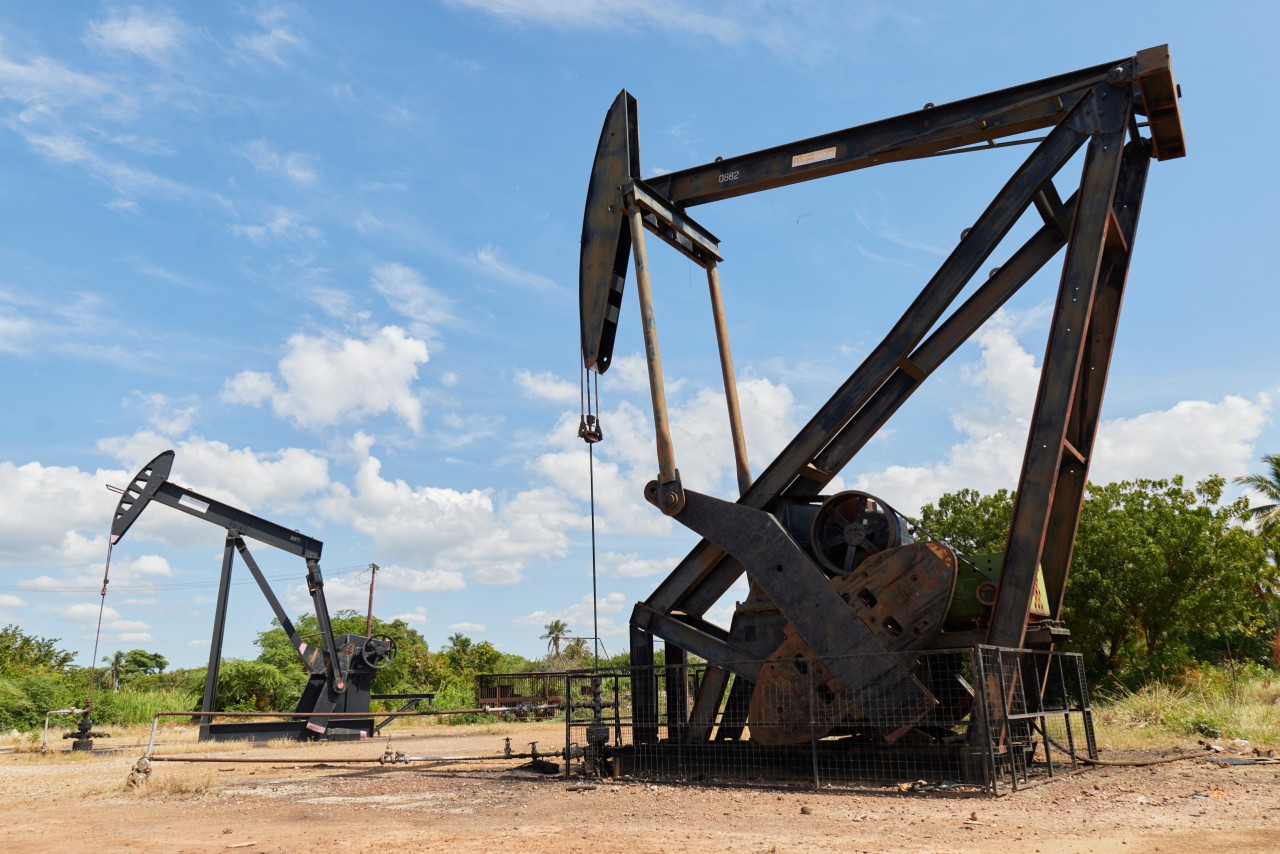
The oil industry remains a critical factor in both countries’ economies and their political landscapes. In Venezuela, the state-owned oil company, Petróleos de Venezuela, S.A. (PDVSA), has been central to the nation’s revenue. However, mismanagement and U.S. sanctions have severely crippled production, which has plummeted from 3 million barrels per day in the early 2000s to about 700,000 barrels per day in 2023.
In Iran, the oil sector is similarly vital. Economic sanctions imposed by the U.S. have limited Iran’s ability to sell oil on international markets, contributing to widespread economic distress. The Iranian government relies heavily on oil exports, making the industry a focal point for both economic stability and political power.
Despite their struggles, the people in both nations show resilience. Grassroots movements have gained momentum, fueled by social media and a shared desire for change. In Venezuela, opposition leaders are mobilizing citizens to demand accountability and reform, while in Iran, women have taken prominent roles in the protests, pushing for a reevaluation of cultural and political norms.
Global Implications and Future Prospects
The political unrest in Venezuela and Iran has caught the attention of international observers. Analysts suggest that the instability could have far-reaching consequences on global oil markets. Should either government collapse or undergo significant reform, the implications for oil supply and prices could be substantial.
Moreover, the situation presents a challenging dilemma for global powers. Countries that depend on oil imports may find themselves navigating complex relationships with both nations as they attempt to balance economic interests with support for democratic movements.
As citizens in Venezuela and Iran continue to push for their rights, the potential for change remains in the hands of the people. The actions taken in the coming months will likely shape the future of both nations and could redefine their roles on the world stage. The combination of local activism and international attention may lead to significant shifts, marking a critical moment in the history of these oil-rich nations.