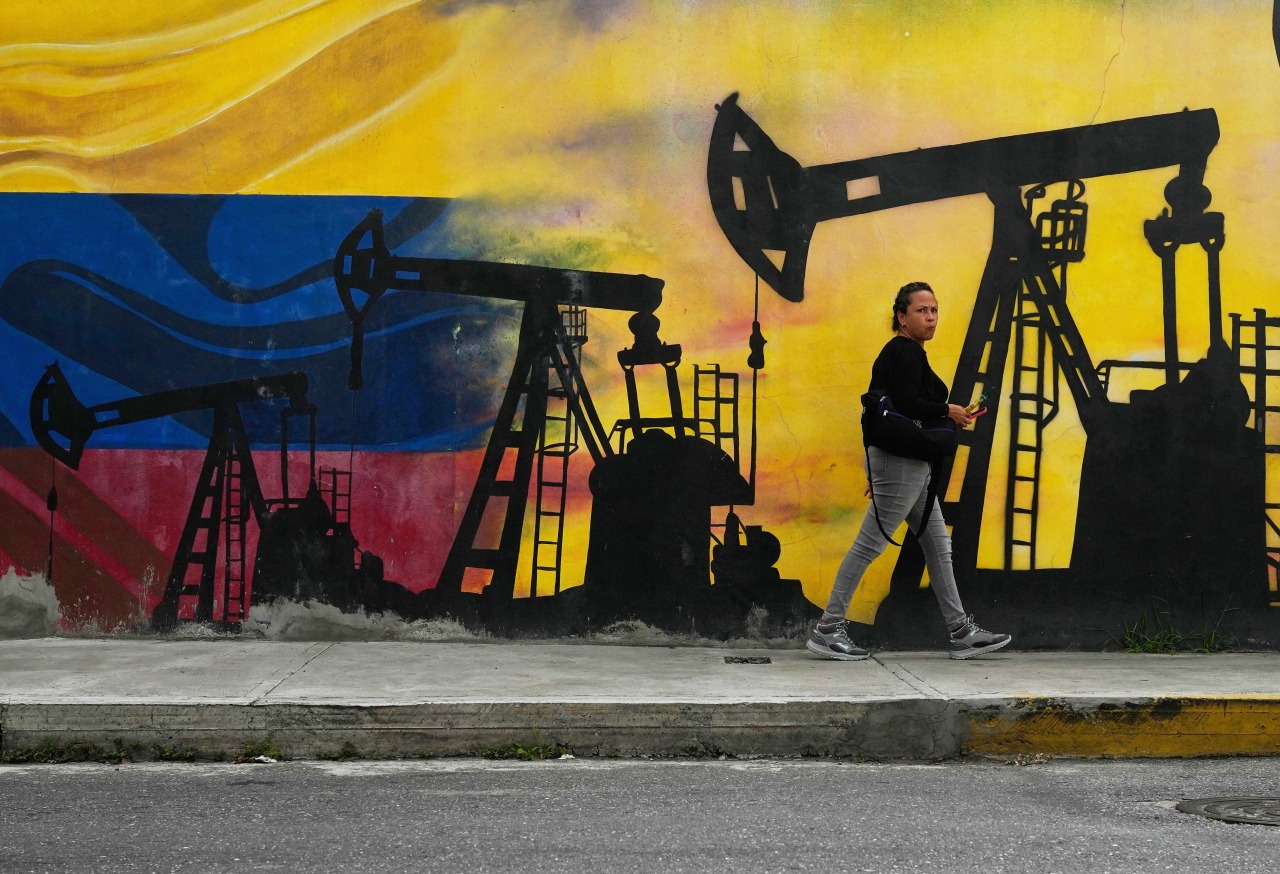
The potential sale of Venezuela’s extensive backlogged crude oil supply by the U.S. government has emerged as a viable strategy to stimulate the South American country’s struggling economy. Economists are suggesting that this move could not only alleviate Venezuela’s oil surplus but also pave the way for a significant economic recovery.
Venezuela, once a leading oil exporter, has faced severe economic challenges over the past decade. The country’s economy has contracted sharply due to falling oil prices, government mismanagement, and stringent international sanctions. With the nation’s oil production declining from 3 million barrels per day in the early 2000s to less than 700,000 barrels per day in 2023, the situation has become increasingly dire.
Impacts of Selling Backlogged Crude
The U.S. currently holds a substantial amount of Venezuelan crude oil that has been left unsold due to sanctions. By facilitating the sale of this crude, analysts believe that the U.S. could play a crucial role in restoring some economic stability to Venezuela. According to a report from the International Monetary Fund (IMF), a strategic sale of this backlogged oil could generate approximately $1 billion in revenue for the Venezuelan government.
This revenue influx could be directed toward critical social programs and infrastructure projects, addressing the immediate needs of the Venezuelan population. Furthermore, it could help re-establish Venezuela as a key player in the international oil market, which would be vital for long-term economic recovery.
While this proposal has sparked optimism among some economists, it is not without its challenges. The political landscape in Venezuela remains contentious, with ongoing tensions between the government led by President Nicolás Maduro and opposition groups. Any significant changes in U.S. policy regarding Venezuela would require careful navigation of these political dynamics.
Economic Recovery and Future Prospects
The potential sale of crude oil is seen as a pivotal moment for Venezuela, as the nation grapples with hyperinflation and widespread poverty. With over 90% of the population living below the poverty line, immediate economic relief is essential.
Economists emphasize that lifting sanctions on Venezuela’s oil industry would not only assist in stabilizing the economy but could also benefit global oil prices. The international market has been experiencing fluctuations, and an increase in Venezuelan oil supply could help balance these dynamics.
Moreover, restoring Venezuela’s oil production to previous levels could create thousands of jobs, both in the oil sector and in ancillary industries. This ripple effect could significantly improve living standards, providing much-needed relief to a beleaguered population.
Despite the potential benefits, the situation remains fluid. Discussions about U.S. oil sales and sanction relief are ongoing, and any policy shifts will likely depend on the evolving political context in Venezuela. As such, while the proposed sale of backlogged crude presents a hopeful opportunity, it also requires a careful and strategic approach.
In conclusion, the U.S. government’s decision to sell Venezuela’s crude oil could mark a turning point for the country’s economy. While challenges remain, the prospect of economic revitalization is within reach, contingent on political stability and international cooperation.