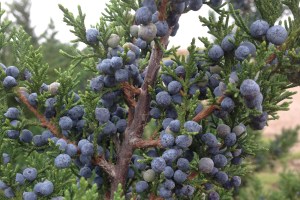
URGENT UPDATE: Tarrant County is currently experiencing the peak of **cedar fever** season, leaving many residents grappling with **allergy symptoms**. With nearly **1 in 5 Texans** affected, the situation has become increasingly serious as pollen levels surge from **Ashe juniper trees**—commonly known as mountain cedar.
Residents are reporting symptoms like **itchy eyes**, **scratchy throats**, and **runny noses** as **high pollen counts** continue to plague the area. According to **Baylor Scott & White**, the influx of pollen from Central Texas has reached alarming levels, causing confusion among many who may mistake these symptoms for **COVID-19** or the **flu**.
Dr. **David Winter**, a physician with Baylor Scott & White Health, emphasizes the distinction: “A lot of things can mimic this. At this time of year, it’s kind of confusing.” He urges anyone experiencing symptoms to get tested for COVID-19 and the flu, despite cedar fever not being contagious.
As of **mid-January 2026**, **pollen levels** in Fort Worth have been reported as particularly high, a trend exacerbated by the fluctuating temperatures in Texas this winter. “Major cold fronts often trigger heavy releases of pollen in these trees,” states **Jonathan Motsinger**, head of the **Texas A&M Forest Service**. Local experts warn that this season is especially challenging for allergy sufferers, with the **American Sinus Institute** noting that cedar fever tends to peak during this time.
Residents seeking relief from cedar fever can turn to **nasal sprays**, **eye drops**, and **oral antihistamines** as effective treatments. Health professionals recommend over-the-counter medications like **Zyrtec** and **Claritin**. Dr. Winter notes that if one medication doesn’t provide relief, another might be more effective.
As the cedar fever season progresses, residents are encouraged to stay informed and take proactive measures to manage their symptoms. The high pollen counts are expected to continue, making it essential for those affected to monitor local pollen forecasts and consult healthcare providers for tailored advice.
For the latest updates on cedar fever and other health advisories, stay tuned to local news sources. This is a developing story, and we will provide more information as it becomes available.