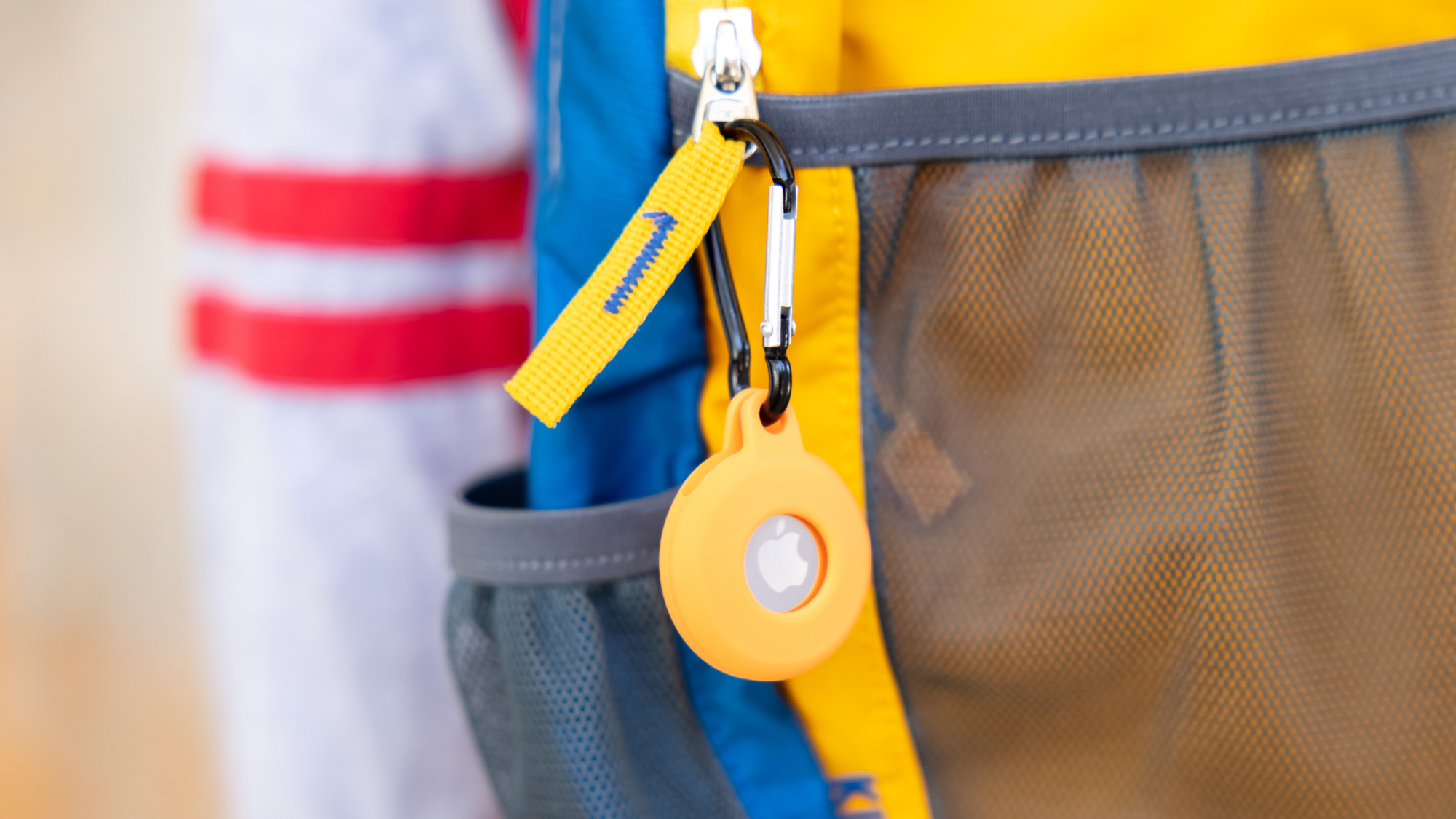
The practice of parents tracking their children’s whereabouts using devices like Apple’s AirTag or apps such as Find My Friends has become increasingly common, even as children transition to adulthood. A recent survey conducted by Unite Students in September 2023, which involved 1,027 parents of first-year university students, revealed that approximately 67% of respondents actively monitored their child’s location through an app, while only 17% reported daily contact.
The survey indicated that tracking is notably more prevalent among fathers, with 71% of dads keeping a close watch on their children compared to 59% of mothers. While many parents find comfort in these tracking methods, the ethical implications of such surveillance are sparking debate.
Mixed Reactions to Tracking Children
For some parents, the use of tracking devices provides a sense of security. Naomi Greenaway, writing in The Telegraph, shared her experience of using a small tracking device when her son began taking the train to secondary school in London. She described the device as a way to ease the anxiety of both herself and her child during this new chapter. Many parents in her social circle echoed similar sentiments, revealing that the introduction of smartphones often coincides with a desire for reassurance amidst the potential dangers of modern life.
Conversely, Esther Walker, writing for The Times, noted a distinction between children who tend to wander off and those who do not. After a brief incident where she lost her four-year-old daughter at a playground, Walker decided to tag her children’s school bags. Despite the peace of mind this provided, she acknowledged that tracking devices can sometimes yield inaccurate information, leading to unnecessary panic.
The Impact of Surveillance on Parenting
As parents increasingly embrace tracking devices, some are questioning whether this approach enhances safety or fosters anxiety. Charlotte Cripps of The Independent reflected on her initial belief that constant monitoring would keep her children safe. Instead, she found herself spiraling into paranoia, regularly checking her phone for updates and fearing the worst at every moment of uncertainty.
This growing concern has prompted a coalition of health professionals to call for a reassessment of parental tracking practices. Organized by Generation Focus, a group advocating for smartphone-free schools, the coalition argues that such surveillance could breed anxiety in children while undermining their independence and resilience. In an open letter, they urged parents to reconsider the long-term effects of a surveillance culture on childhood development.
The phenomenon of “helicopter parenting,” characterized by excessive involvement in a child’s life, is drawing criticism for potentially exhausting both parents and their children. Zing Tsjeng from The i Paper emphasized the importance of trust, questioning when parents should allow their children, especially as they reach adulthood, to navigate the world independently.
As the conversation around parental tracking continues, it remains essential for families to balance safety with the development of self-reliance in their children. This ongoing debate highlights the complexities of modern parenting in an age dominated by technology, requiring thoughtful consideration of both the benefits and drawbacks of surveillance.