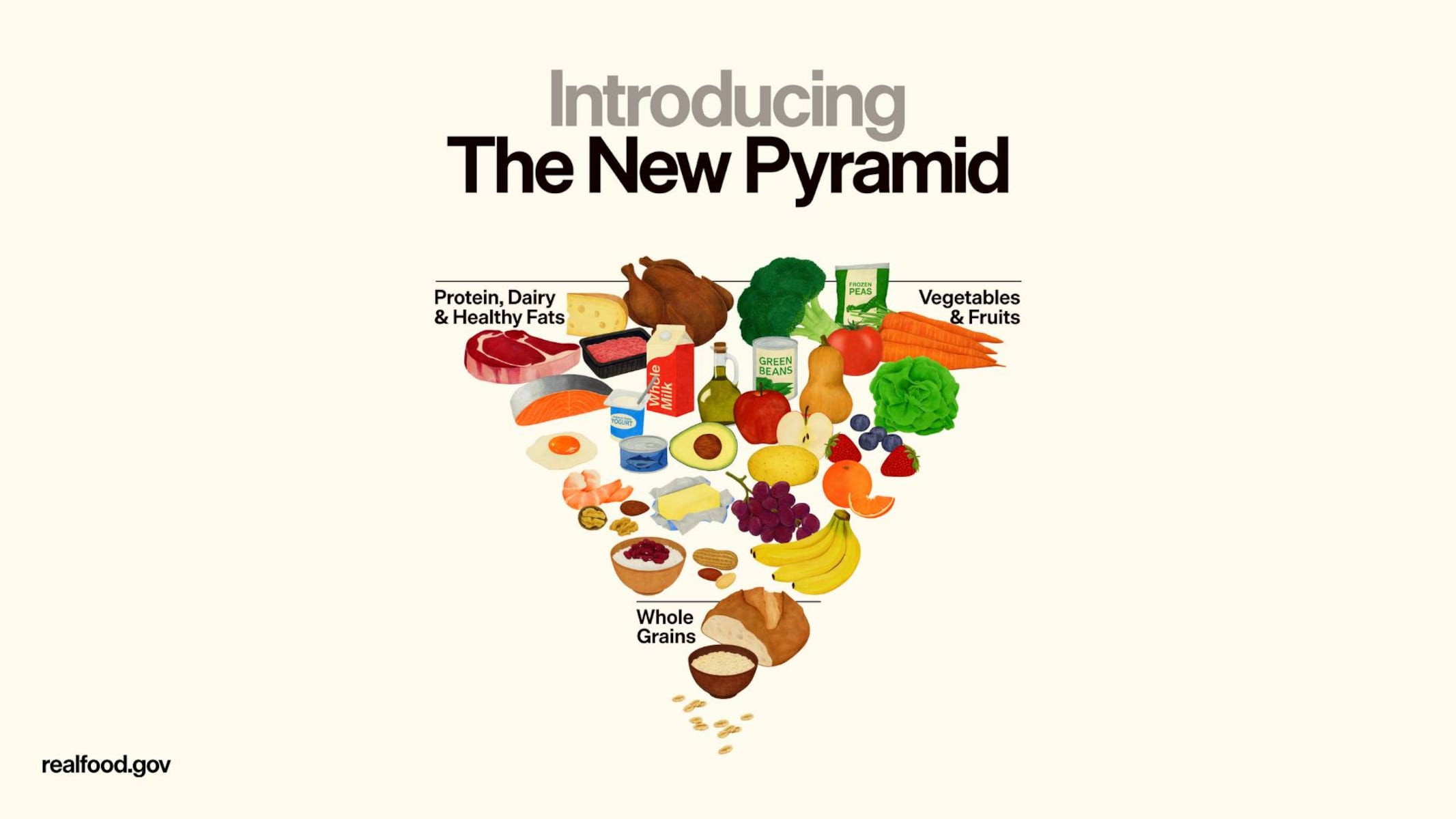
The latest update to the U.S. Dietary Guidelines for Americans has introduced significant changes regarding alcohol consumption. Released on March 1, 2026, the guidelines recommend that consumers “limit alcoholic beverages,” replacing the previous advice that suggested adults aged 21 and over should restrict their intake to two drinks per day for men and one drink or less for women. This shift has raised eyebrows, especially as it eliminates distinctions between the recommended limits for genders, despite scientific evidence indicating that men and women metabolize alcohol differently.
The announcement was made during a press conference where Health Secretary Robert F. Kennedy Jr. and Agriculture Secretary Brooke Rollins were present, along with Dr. Marty Makary of the Food and Drug Administration and Dr. Mehmet Oz, head of the Centers for Medicare & Medicaid Services. This update comes over two years after the World Health Organization declared that no level of alcohol consumption is entirely safe, and following calls from former U.S. Surgeon General Vivek Murthy for clearer labeling regarding the cancer risks associated with alcohol.
The new guidelines arrive at a time when many wine producers are experiencing reduced visitation to their tasting rooms. Polls indicate that alcohol consumption in the U.S. has reached a historic low, leading to thousands of unsold acres of grapes. For some in the industry, the new guidelines offer a glimmer of hope. Jonas Nissley, president of Nissley Vineyards in Bainbridge, Lancaster County, expressed relief, stating, “This is very welcome news.” He emphasized that moderate wine consumption aligns with a healthy lifestyle when done responsibly.
During the press briefing, Dr. Oz described alcohol as a “social lubricant,” allowing people to bond and connect. While he acknowledged that abstaining from alcohol is ideal, he noted its role in social interactions. The National Association of Wine Retailers (NAWR) praised the new guidelines for emphasizing moderation rather than adopting alarmist views that suggest “no safe level” of alcohol consumption. NAWR President Dave Parker stated, “Moderate consumption has long been the foundation of the proper relationship with alcohol, and we are very pleased to see that the U.S. Department of Health and Human Services did not succumb to the call by extremist anti-alcohol groups.”
Despite the positive reception from some sectors, not everyone is satisfied with the updated recommendations. The U.S. Alcohol Policy Alliance, an organization dedicated to reducing alcohol-related harm, criticized the guidelines. CEO Mike Marshall highlighted the need for transparent information about alcohol risks, stating, “The public deserves clear, honest information about the risks of drinking so they can make the best decisions for themselves, their families, and their communities.”
Nissley also noted that the anxiety leading up to the release of the guidelines had been palpable among smaller producers, who feared tighter restrictions. He described the final language as more balanced and realistic while still acknowledging the risks associated with alcohol consumption. “That said, I’m not sure this will change consumption habits overnight, particularly among younger consumers,” he added. “Their decision to drink less seems driven by broader cultural and lifestyle shifts, not just dietary guidance.”
While the new guidelines may not instantly alter drinking behaviors, they provide clearer federal guidance that many in the industry see as a positive development. Nissley concluded, “In that sense, it does brighten 2026 at least a bit.” As the conversation around alcohol consumption continues, the impact of these guidelines will unfold in the coming years, potentially reshaping how Americans engage with alcohol in their daily lives.