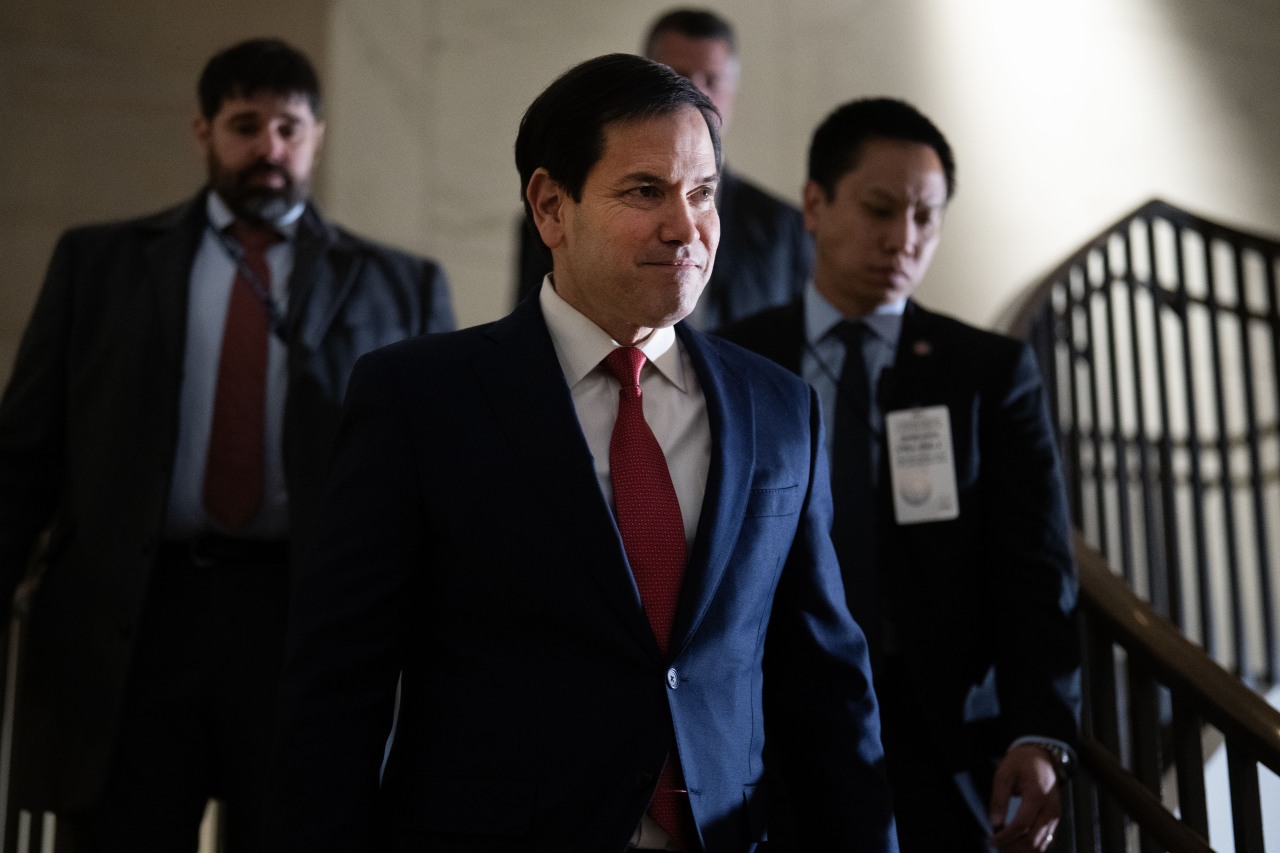
Marco Rubio, once a vocal critic of Donald Trump, has notably shifted his stance, emerging as one of the president’s most trusted advisors. This transformation aligns with Rubio’s longstanding ambition to influence change in Latin America, a region he believes requires urgent attention and action from the United States.
The change in Rubio’s relationship with Trump has become particularly significant as the U.S. approaches the 2024 presidential election. As Secretary of State, Rubio now has a platform to advocate for policies that resonate with the MAGA movement, including a hardline stance on countries like Cuba and Venezuela. His embrace of Trump’s ideology has opened doors to a broader audience while reshaping his political identity.
Rubio’s initial criticism of Trump during the 2016 election cycle was stark. He argued against Trump’s rhetoric and approach, particularly concerning immigration and foreign policy. Yet, in recent years, Rubio has recalibrated his views, recognizing the influence Trump holds over the Republican electorate. By aligning himself with the MAGA base, Rubio aims to leverage Trump’s popularity to advance his vision for Latin America.
Strategic Goals for Latin America
Rubio’s focus on Latin America is not merely ideological; it is strategic. He asserts that the region is critical to U.S. national security and economic interests. According to Rubio, countries like Venezuela present challenges that require decisive action. He has emphasized the necessity of supporting democratic movements and countering authoritarian regimes.
In a recent statement, Rubio highlighted, “The future of democracy in Latin America is at stake. We cannot afford to turn a blind eye to the struggles of the people in these nations.” His comments reflect a commitment to a foreign policy that prioritizes human rights and democracy, principles he believes should guide U.S. interactions in the region.
Rubio’s plans include increasing economic sanctions against Venezuela and advocating for stronger support of the Cuban dissident community. He has urged the Biden administration to take a firmer stance on these issues, arguing that a lack of action could embolden authoritarian leaders.
Political Implications
As a leading figure in the Republican Party, Rubio’s alignment with Trump has implications beyond foreign policy. His shift may influence the party’s stance on various issues, potentially reshaping the electoral landscape as the November 2024 elections approach. With Trump’s endorsement still carrying significant weight, Rubio’s support could enhance his credibility among the party’s base.
Polling data indicates that a majority of Republican voters continue to back Trump’s policies, particularly regarding immigration and foreign relations. By embracing these views, Rubio positions himself as a key player in the party’s future. His ability to navigate this political terrain could significantly impact his aspirations for higher office or influence within the administration.
Rubio’s journey from critic to ally illustrates the complexities of modern American politics. His case highlights the challenges faced by politicians in balancing personal beliefs with party loyalty and the evolving landscape of voter sentiment. As the political climate continues to shift, Rubio’s role may become more pronounced, particularly in shaping U.S. policy towards Latin America.
The coming months will be critical as Rubio navigates his dual role as Secretary of State and a prominent Republican figure. His actions and decisions will likely resonate not only within the party but also across the wider geopolitical landscape, influencing U.S. relations with Latin America for years to come.