The Centers for Disease Control and Prevention (CDC) has revised its childhood vaccination schedule, reducing the number of recommended vaccines from 18 to 11. This significant change mirrors similar recommendations from Denmark. While some experts support the new guidelines, others remain concerned about their implications for public health.
Dr. Stephen Turkovich, President of Golisano Children’s Hospital in Buffalo, New York, expressed his reservations about the updated schedule. He emphasized that the previous vaccine schedule was grounded in evidence and should not be altered. “My recommendation and the American Academy of Pediatrics’ recommendation is to actually not change anything. The previous vaccine schedule is evidence-based,” he stated.
The CDC’s new guidelines have also withdrawn recommendations for vaccines against flu, rotavirus, hepatitis A and B, certain forms of meningitis, and RSV, now suggesting these vaccinations only for high-risk groups or following shared clinical decision-making.
Impact on Public Health and Individual Experiences
Dr. Turkovich highlighted the positive outcomes associated with the RSV vaccine in recent years, noting that hospitals have seen a marked decrease in RSV cases. “Two, three years ago, if you came to Children’s Hospital, we would be overwhelmed with patients, both in the emergency room and on the floors, and I have to say, right now, we have open beds on the floors. It’s remarkable,” he remarked.
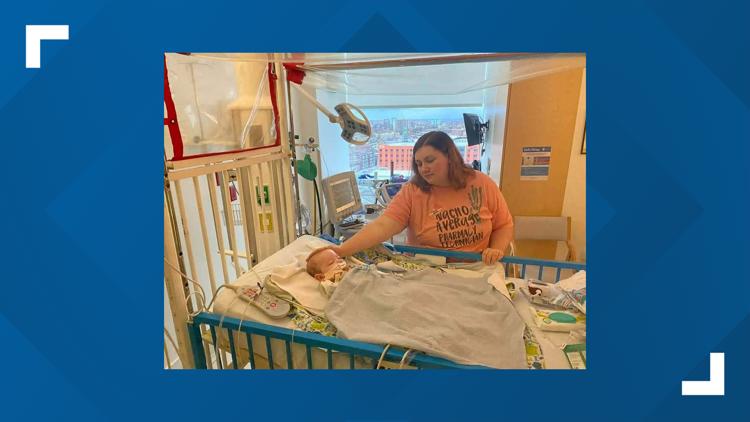
For parents like Lauren Ingrao, the changes resonate deeply. Her twins, now three years old, faced severe health challenges due to RSV when they were just two months old. Despite her efforts to secure the RSV vaccine for them, they did not qualify at that time. Her son subsequently required intensive care, being placed on a ventilator after being diagnosed with RSV, COVID-19, and pneumonia.
Ingrao described the harrowing experience: “When we got discharged, we couldn’t even go home because his twin sister had RSV, too.” This led to a prolonged separation for the family as they navigated the complexities of their children’s health issues.
Ingrao remains a staunch advocate for childhood vaccinations, firmly believing in their life-saving potential. “I’m all for vaccines. I mean, I have three kids with autism. I don’t believe vaccines cause autism in any capacity at all,” she stated. Her commitment to vaccination stems from her desire to safeguard her children’s health: “I’d rather have autistic kids than dead kids any day.”
The Trump administration has indicated that insurance companies will continue to cover the childhood vaccines that have been removed from the CDC’s schedule. This assurance aims to mitigate concerns among parents about the financial implications of the changes.
As the debate continues, both parents and healthcare professionals are left to weigh the potential impacts of the CDC’s revised vaccine recommendations on public health and child welfare. The conversation around childhood vaccinations remains critical as families navigate their options in a changing healthcare landscape.