UPDATE: President Donald Trump just announced a controversial plan to shift U.S. naval strategy back to battleships, stirring sharp criticism from defense experts and lawmakers. His proposal, dubbed the “Golden Fleet,” aims to construct a new class of battleships amidst growing concerns over their effectiveness in modern warfare.
Critics are quick to voice skepticism. U.S. Rep. Joe Courtney, the likely future chairman of the House Armed Services Committee’s Seapower Subcommittee, stated, “I would love to have a hearing on how battleships make any sense given what we already have.” Courtney argues that today’s military strategy should prioritize submarines and destroyers over outdated battleships, which he describes as “dangerously vulnerable.”
Trump unveiled his battleship initiative on December 22, 2023, during a press conference that notably lacked the presence of senior Navy personnel. The proposed fleet could consist of up to 25 new ships, with the first projected to cost around $15 billion. In stark contrast to the Navy’s long-standing reliance on submarine technology, Trump’s plan aims to modernize a fleet he claims is “terrible-looking and covered in rust.”
The Pentagon’s annual report to Congress has underscored significant vulnerabilities of large surface ships, especially against advanced missile technology being developed by nations like China. Courtney highlighted the alarming emergence of the so-called “carrier killer” missiles, which pose a substantial threat to aircraft carriers and other large surface vessels. “You can’t concentrate your forces because it leaves you vulnerable,” he warned, emphasizing that the battleship strategy could undermine U.S. defense efforts in the Indo-Pacific region.
The Navy has announced intentions to issue design contracts for the Trump class battleships, with a timeline suggesting that construction won’t begin until the early 2030s. This raises questions about the practicality and relevance of such a program, especially given the existing focus on submarines, which have proven to be more effective and less exposed to threats.
Courtney noted that the Golden Fleet concept emerged just days after Congress approved a Pentagon budget that allocated no funds for new battleships, raising eyebrows about potential funding rumors. “We’re crawling over broken glass to keep all the different programs going,” he stated, indicating the urgency of monitoring funding developments closely.
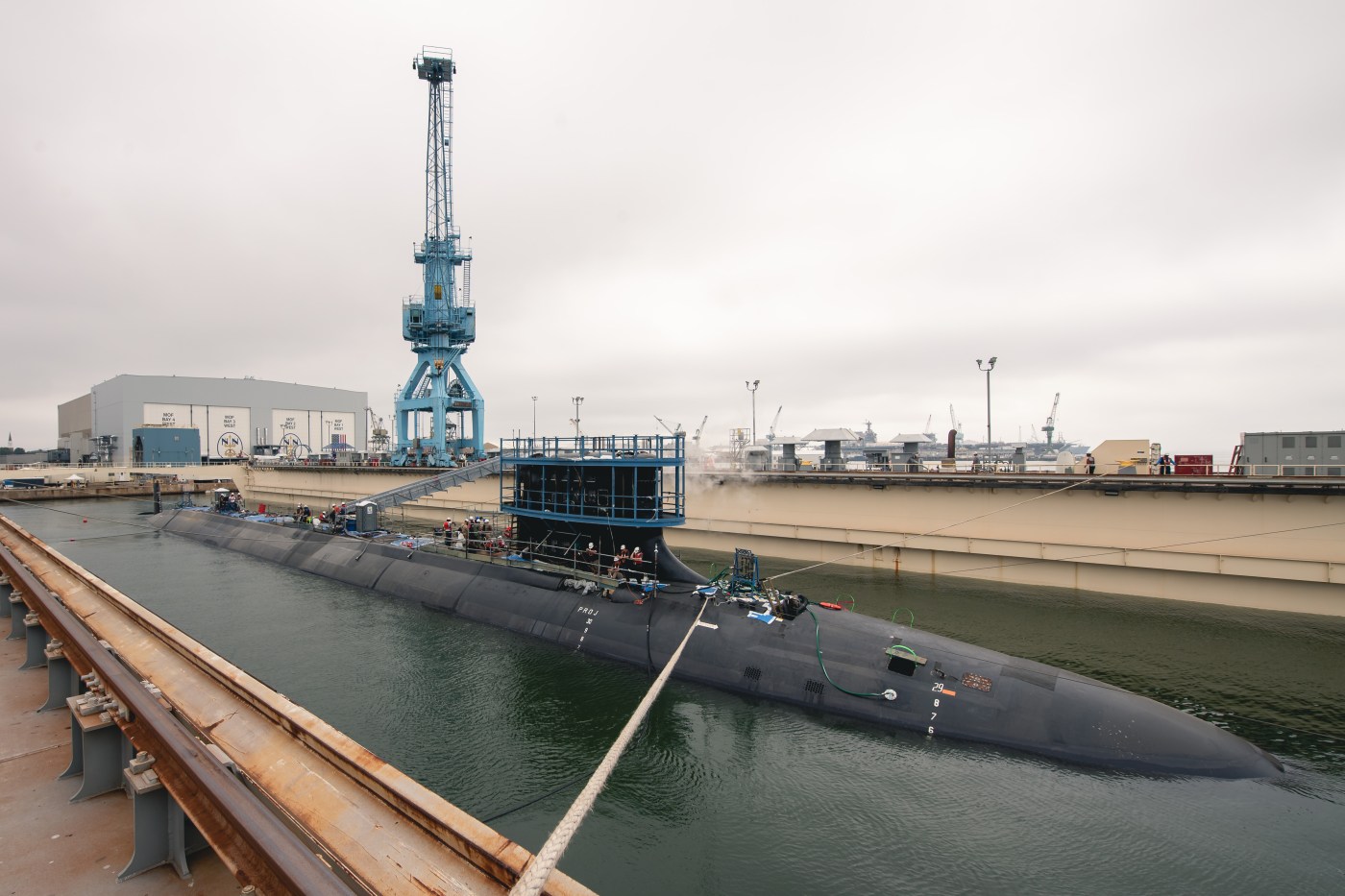
As the Pentagon works to counterbalance China’s military expansion, its focus has been on bolstering its submarine capabilities. The U.S. has significantly invested in the Virginia-class and Columbia-class submarines, with plans to deliver at least three Virginia subs to Australia under the AUKUS security agreement.
Analysts remain skeptical about the viability of Trump’s battleship initiative. Mark F. Cancian from the Center for Strategic and International Studies predicted, “A future administration will cancel the program before the first ship hits the water.”
As the debate unfolds, defense experts and lawmakers are urging a reevaluation of naval priorities in a rapidly evolving global security landscape. With the potential for Congressional pushback and a focus on submarine capabilities, the future of Trump’s Golden Fleet hangs in the balance.
Stay tuned for the latest updates on this developing story as key stakeholders respond to Trump’s ambitious, yet contentious naval strategy.