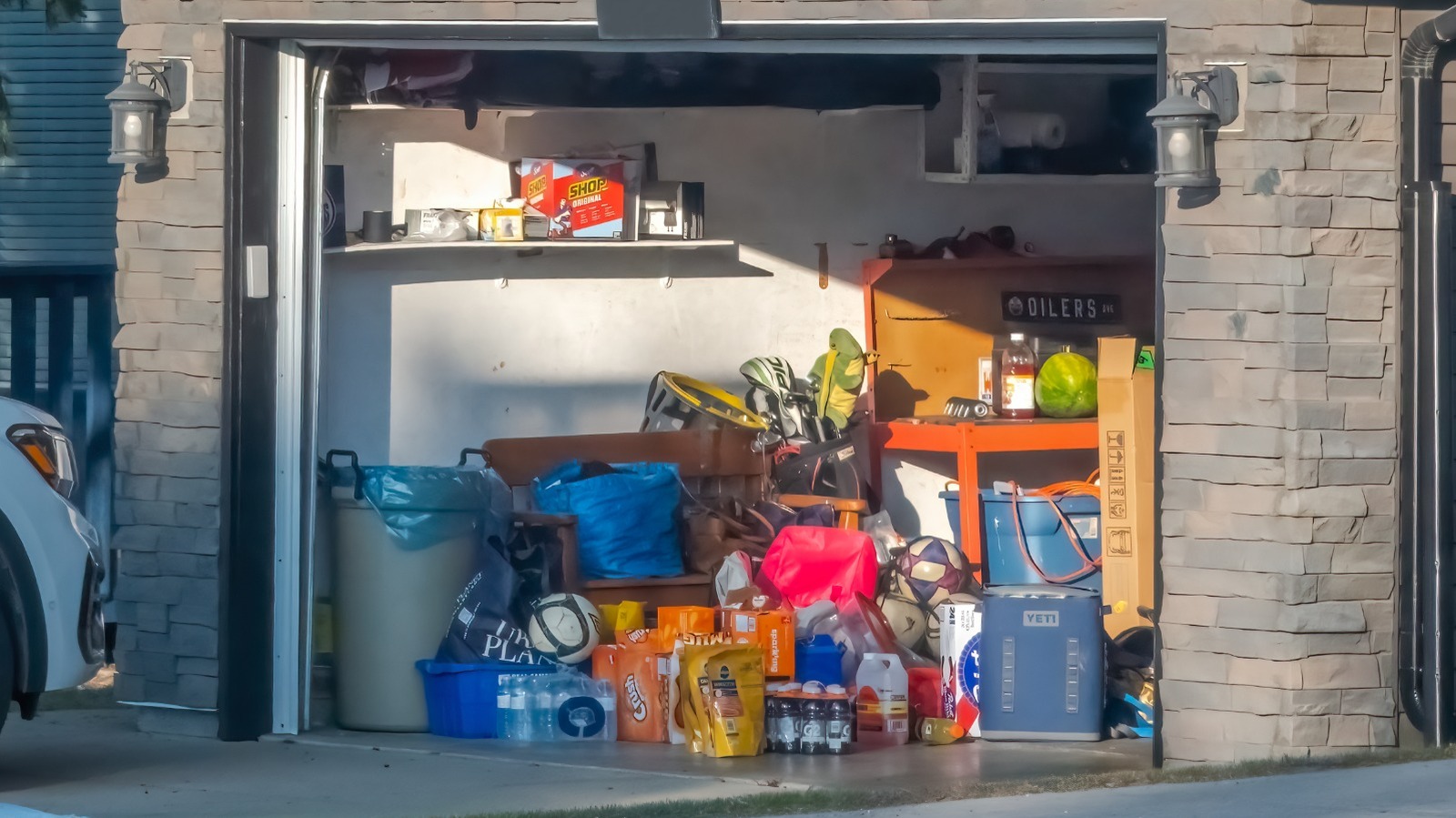
Many homeowners and renters find their garages overflowing with items that are no longer needed. From old batteries to expired household chemicals, these items not only occupy valuable space but can also pose safety hazards. If you’re looking to reclaim your garage, consider removing these five common items that are likely doing more harm than good.
Outdated Batteries
Batteries, especially lithium ones, have a limited shelf life. If you’ve replaced old power tools or gadgets, it’s crucial to dispose of any leftover batteries properly. Over time, batteries can bloat or leak, releasing harmful chemicals that are dangerous, particularly if children are present. Lithium batteries can even overheat or explode if damaged.
When disposing of batteries, ensure you cover their terminals with non-conductive tape and place each battery in a plastic bag. Local laws regarding battery disposal can vary, so be sure to check your state’s guidelines.
Expired Household Chemicals
Many households store chemicals for cleaning and maintenance, such as paint thinners, bleach, and various cleaning agents. Although these products may have longer shelf lives, they do degrade over time. For instance, WD-40, often perceived as everlasting, actually has an expiration date.
If you find any expired chemicals in your garage, follow local regulations for hazardous waste disposal. Keeping these chemicals past their effective date can not only clutter your space but also reduce their effectiveness in cleaning or maintenance tasks.
Oily Rags
If you change your own oil or engage in other home repairs, it’s likely you’ve accumulated a stack of oily rags. These rags can be a fire hazard if not stored correctly, as the oils can heat up and lead to spontaneous combustion.
After using oily rags, spread them out to air-dry outside. Once dry, store them in a fireproof, airtight container. Avoid adding other materials, especially anything combustible. Finally, take the container to a hazardous waste disposal site to prevent any dangers at home.
Unnecessary Boxes and Plastic Bins
While boxes can serve a purpose for storage, many homeowners store cardboard boxes and plastic bins that are empty or no longer useful. These items can take up significant space in your garage. Check the contents of your cardboard boxes—if they’re empty, break them down for recycling.
Similarly, assess the plastic bins. Unless they contain essential documents or cherished items, it’s wise to let them go. You might keep a few for future use, but recycling the rest can free up valuable space.
Leftover Project Materials
DIY enthusiasts often hold onto leftover materials from previous projects, whether it’s scrap wood or extra hardware. If you don’t have any immediate plans for these materials in the next year, consider parting ways with them.
You can donate, sell, or recycle these items, allowing others to benefit from what you no longer need. This not only reduces clutter but can also be a sustainable choice for the environment.
By tackling these five categories of items, you can significantly declutter your garage, creating a safer and more organized space. Regularly evaluating what you keep can alleviate stress and enhance your overall home environment. Start today, and enjoy the benefits of a cleaner, more functional garage.