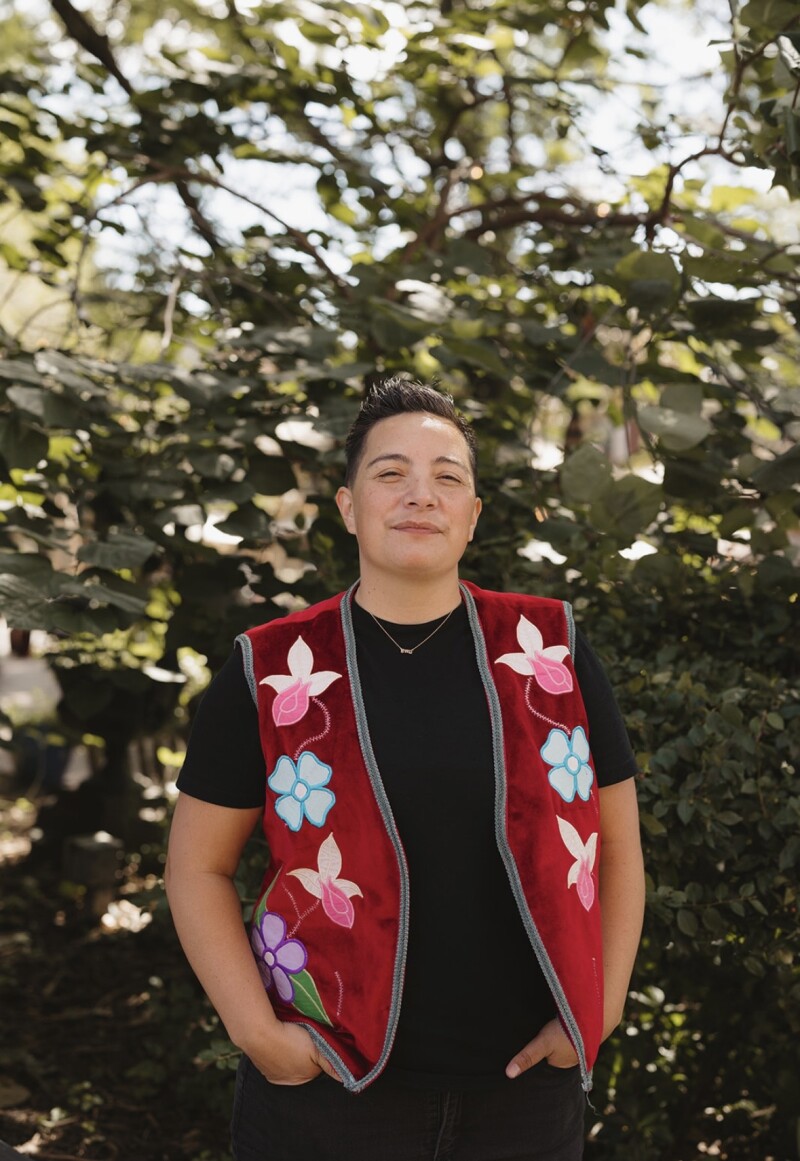
Liish Kozlowski, a member of the Minnesota House representing District 8B, has called for increased investment in Duluth to build a sustainable future for the community. In a recent statement, Kozlowski emphasized the need for collective action in addressing pressing issues such as housing shortages, economic inequality, and environmental protection. The call to action coincides with the arrival of Gichi Manidoo Giizis, a moon in Ojibwe teachings, which symbolizes a time for reflection and envisioning a more prosperous future.
Kozlowski’s comments follow a tumultuous year marked by the tragic deaths of community leaders Mark and Melissa Hortman. Their loss has left a significant impact, highlighting the need for unity and shared humanity in Minnesota. Kozlowski quoted Melissa’s impactful words, urging the community to prioritize the needs of individuals over corporate interests, stating, “We need to care less about the Rockefellers and more about the little fellers.”
The current economic climate, influenced by policies from the Trump administration, has exacerbated challenges for working-class families and seniors. With a shortage of 100,000 homes in Minnesota, many residents are feeling the financial strain. As a leader on the housing committee, Kozlowski is focused on implementing solutions that promote affordable housing and strengthen tenant rights. She advocates for union-built workforce housing and reforms that prioritize human needs over bureaucratic hurdles.
Kozlowski intends to combat corporate practices that drive up housing costs, including rent price-fixing and exploitative algorithms. Her recent legislation has aimed to equalize the minimum wage, which rose to $11.41 per hour in Minnesota this month. This increase is part of a broader effort to ensure wages reflect the real cost of living, addressing the issue of poverty wages in a state with substantial wealth.
Healthcare affordability is another significant concern. With the introduction of paid family leave, families will no longer have to choose between earning a paycheck and caring for loved ones. Additionally, Kozlowski has initiated studies on the Minnesota Health Plan to tackle rising healthcare costs, specifically targeting corporate middlemen who contribute to inefficiencies.
The positive outcomes of investing in treatment options are evident as opioid-related deaths decline, showcasing the potential of community-led recovery initiatives. Programs like Cannabis Can Renew demonstrate the effectiveness of turning systemic issues into opportunities for local improvement.
Kozlowski highlights educational funding as a priority, noting that the DFL secured inflationary increases for public school budgets and supports for literacy and mental health initiatives through the READ Act. She has also championed the Duluth Promise, an innovative pilot program aimed at sustaining the local workforce and ensuring that every student in Duluth has access to valuable opportunities.
As federal policies increasingly threaten climate protections, Kozlowski stresses the importance of state-level action. Her commitment includes safeguarding vital natural resources, such as wild rice waters, and advocating for stringent environmental impact assessments for new developments. She believes that protecting the environment is essential for democracy and community sovereignty.
In her role as co-chair of the Minnesota POCI Caucus, Kozlowski has worked to deliver impactful legislation that prioritizes marginalized communities. She emphasizes the need for a Minnesota that supports all its residents, including trans/Two Spirit individuals and immigrants.
Kozlowski concludes her vision by asserting that Duluth must remain an inclusive city, committed to upholding the well-being of its residents. “We must choose to govern for the public good and build an economy that works for all of us,” she declares, reaffirming her dedication to these principles as she looks toward the future.