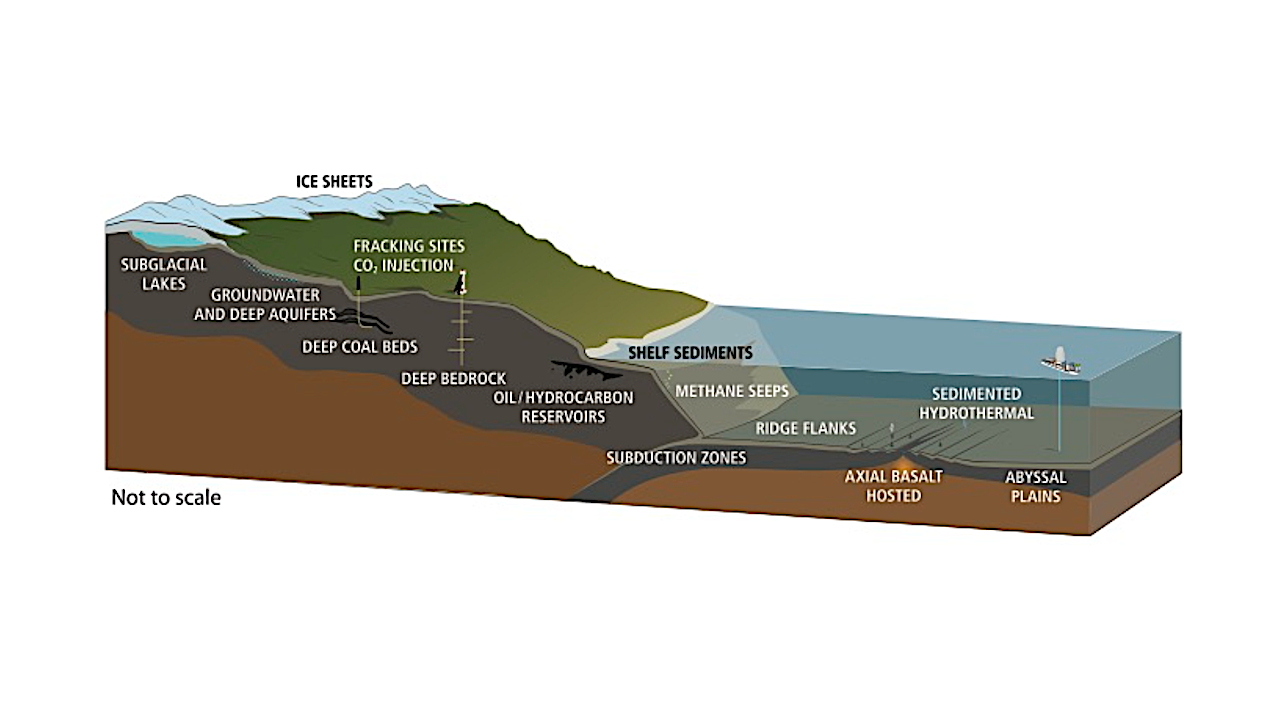
Subsurface microbiology is advancing rapidly, transitioning from simply identifying microbial populations to understanding their functions and the essential processes they mediate. These microorganisms play a vital role in addressing pressing societal challenges, particularly in mitigating climate change and improving waste storage solutions. Despite their importance, opportunities for subsurface sampling and funding for related research have been limited, posing significant challenges for the field’s advancement.
Research in subsurface microbiology is critical as it informs strategies for sustainable practices in waste management and climate change mitigation. Microbes found in underground habitats can influence nutrient cycling, carbon sequestration, and pollutant degradation. As such, understanding how these microorganisms operate can lead to more effective solutions for global issues.
Current State and Historical Context
The history of subsurface science reveals a gradual evolution in our understanding of microbial life beneath the Earth’s surface. Initially, the focus was primarily on cataloging who resides in these environments. Today, the emphasis has shifted towards uncovering the intricate workings of these microorganisms and their interactions with the surrounding geology.
According to recent perspectives, there is a pressing need to engage early-career microbiologists in subsurface research. New talent can bring fresh ideas and innovative approaches to drilling projects that are essential for advancing our understanding of geomicrobiology. Increasing collaboration with industry partners is also crucial, as these relationships can open doors to new funding opportunities and resources.
Recommendations for Advancing Research
To enhance the field of subsurface microbiology, several actions are recommended. First, it is essential to integrate microbiologists into the planning stages of drilling projects. Their expertise can help design studies that yield significant insights into microbial processes and their implications for climate change and waste management.
Additionally, establishing microbiology-led drilling projects can provide focused research opportunities. Such initiatives would prioritize the unique challenges posed by subsurface habitats and their associated microorganisms. Furthermore, fostering interdisciplinary collaborations can enhance research outcomes by combining expertise from various scientific domains.
The call for increased funding and support is urgent. Funding agencies worldwide must recognize the value of subsurface microbiology and allocate resources to support innovative research projects. By investing in this field, stakeholders can contribute to addressing critical global challenges while advancing scientific knowledge.
In conclusion, the future of subsurface microbiology depends on increased engagement, collaboration, and funding. By prioritizing research in this area, society can harness the potential of microorganisms to address pressing environmental issues. The time to act is now, as the insights gained from subsurface microbiology could prove invaluable in the ongoing fight against climate change and waste management challenges.