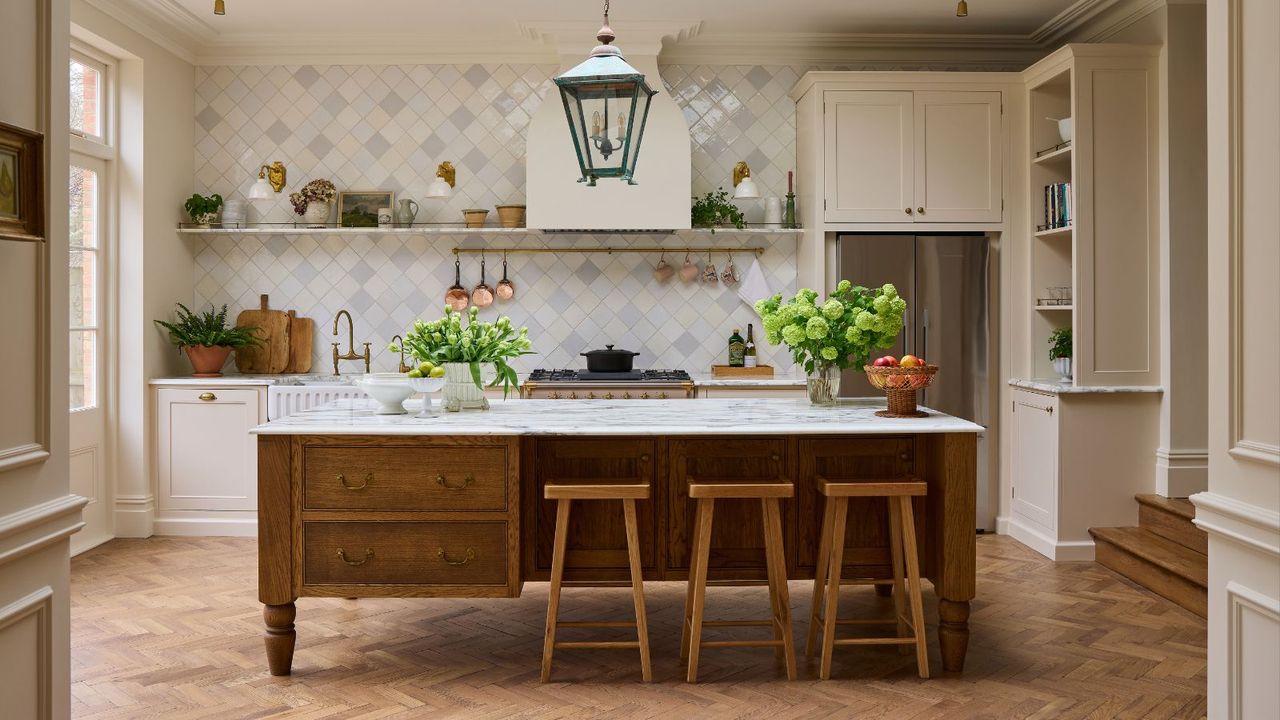
In a striking example of design innovation, a new kitchen within a 19th-century historic home showcases how pale pink can serve as a warm, neutral base for contemporary trends. Designer Laura Stephens faced the challenge of creating a space that feels both welcoming and timeless while integrating modern conveniences. The result is a characterful kitchen that defies the notion that lighter shades are falling out of favor.
The kitchen, part of a recent extension, features cabinets in the softest shade of pink, a choice that contrasts sharply with the darker tones that dominated kitchen design in 2025. According to Stephens, the goal was to design a space that felt like it had been at the heart of the home for decades. “The priority of this project was that it didn’t feel like a new box,” she explained.
Crafting a Timeless Aesthetic
The challenge was to blend modern functionality with traditional aesthetics. This kitchen, despite its new construction, incorporates elements reminiscent of the Victorian era, such as antique lighting and detailed cornicing. Stephens paid close attention to every detail, from the flooring to the ironmongery, ensuring the new space wouldn’t feel overly contemporary.
One standout feature is the 3.5-meter kitchen island, designed to resemble a piece of furniture. It has a steel beam for support, allowing for an airy feel despite its grand proportions. “The ergonomics give it a sense of air,” she noted, emphasizing the balance between size and usability.
The tiled wall, a focal point of the kitchen, required meticulous planning. Francis Ceramics, a Welsh company known for handcrafting unique tiles, provided the materials. Each tile varies in color and glaze, creating a visually appealing, layered effect. Initially, Stephens had considered a more random placement but opted for a carefully curated arrangement to avoid clumping of similar colors.
Enduring Appeal of Soft Colors
As design trends shift towards bolder choices, the enduring appeal of softer shades remains evident. The pale pink cabinetry not only complements the kitchen’s character but also aligns with the current trend of layering textures. “Light colors can still lend themselves to the layered look that’s so popular right now,” Stephens remarked.
Accessories play a crucial role in achieving a lived-in feel. By incorporating personal items such as artwork, cookbooks, and meaningful objects, the kitchen transforms into a space that resonates with warmth and personality.
In conclusion, this kitchen exemplifies how a soft neutral like pale pink can serve as a versatile backdrop for ongoing design trends. As we move into 2026, it demonstrates that lighter shades, far from being out of style, are essential in creating inviting and timeless spaces.