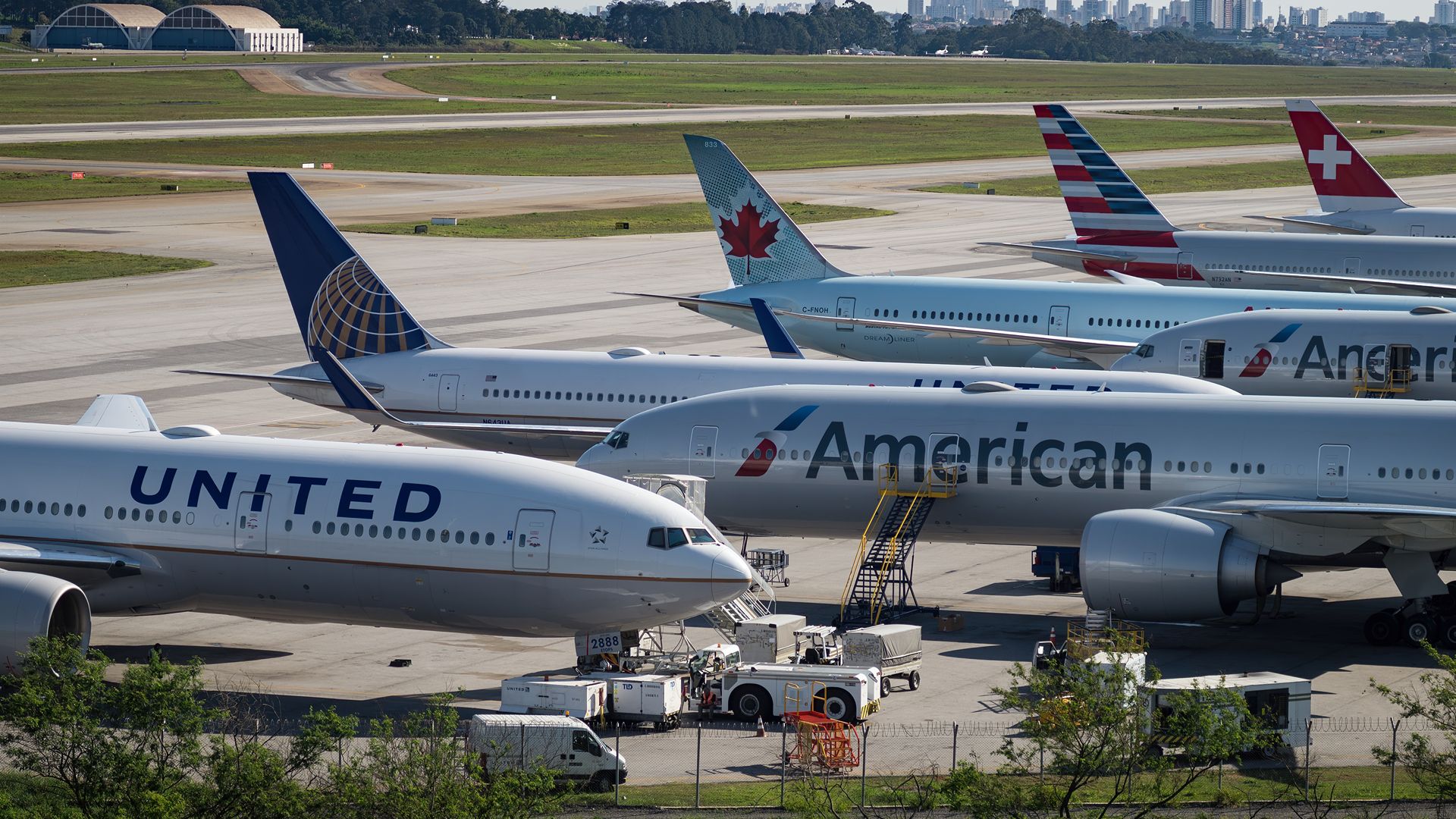
American Airlines is reportedly preparing to make an investment in Brazilian carrier Azul Linhas Aereas, following the recent approval of a similar deal by United Airlines. United has received clearance from Brazilian regulators to invest $100 million in Azul, which is currently undergoing a Chapter 11 restructuring process aimed at stabilizing its financial situation.
Founded in 2008 by entrepreneur David Neeleman, Azul has become the third-largest domestic airline in Brazil and the second-largest international carrier. The airline is recognized for its innovative business model, focusing on connecting smaller cities while offering competitive fares. This strategy has garnered a loyal customer base, but Azul has faced challenges, particularly in light of its recent financial struggles.
Investment Landscape in Brazilian Aviation
The approval of United’s investment has paved the way for American Airlines to engage in a similar commitment. Both airlines previously agreed to invest up to $300 million collectively in Azul, a move that reflects their confidence in the carrier’s potential for recovery. Azul declared Chapter 11 bankruptcy in May 2025 as part of its restructuring efforts while continuing operations.
For American Airlines, the decision to invest is complicated by its existing partnership with GOL, another Brazilian airline. The two airlines had previously discussed a merger, which adds a layer of complexity to American’s involvement with Azul. Nonetheless, the need for funding is critical for Azul, which aims to raise equity to enhance liquidity and significantly reduce its debt load of over $2 billion.
Strategic Importance of Brazil’s Aviation Market
The US has significant interests in Brazil’s aviation market, as evidenced by the longstanding partnership between United and Azul. United has been a minority investor in Azul since 2015, a relationship that encompasses a codeshare agreement and reciprocal frequent flyer benefits. Additionally, Azul has a codeshare agreement with JetBlue, further enhancing connectivity between the US and Brazil.
Brazil, being the largest aviation market in South America, represents a vital opportunity for US airlines. American and United’s investments are particularly strategic given the competitive landscape, where Delta Air Lines has a joint venture with LATAM, Brazil’s largest airline. The ongoing restructuring of Azul positions it as a potential beneficiary of increased investment from US carriers, particularly as it seeks to navigate its financial challenges.
Despite its rapid growth and strong public reputation, Azul has encountered difficulties attributed to fluctuating currency exchange rates, high debt from the COVID-19 pandemic, and rising operational costs. Its focus on low-demand routes with minimal competition has been a significant factor in its business model, allowing it to thrive in markets outside of major cities like São Paulo.
As Azul works towards emerging from bankruptcy, it is expected to complete the restructuring process by February 2026. This timeline will be crucial for the airline as it seeks to streamline its operations and enhance its financial standing.
In summary, the movement of American Airlines toward investment in Azul reflects a broader strategy within the aviation sector to capitalize on opportunities in Brazil. As the country continues to recover from economic challenges, partnerships and investments like these are likely to reshape the competitive dynamics within the region’s aviation market.