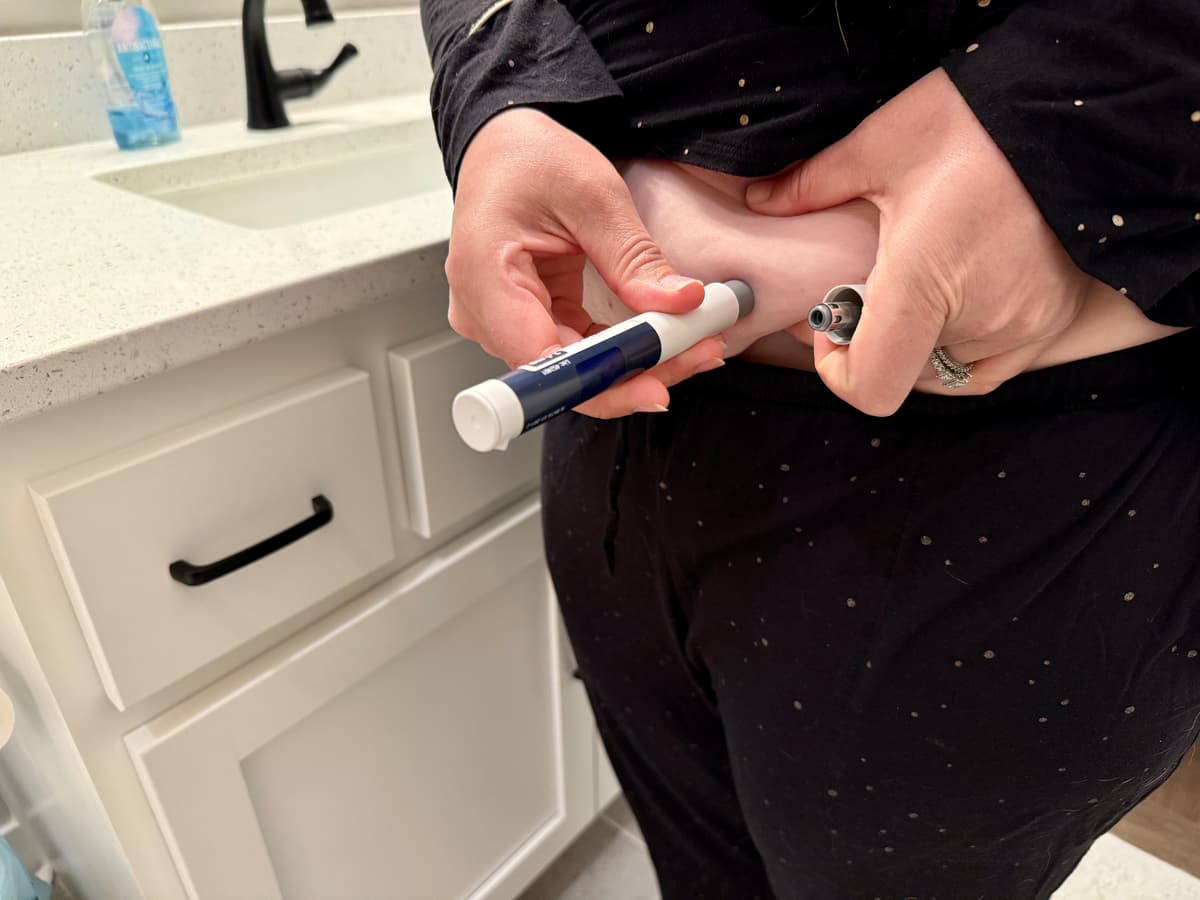
The rise of GLP-1 weight loss drugs is significantly influencing consumer behavior, particularly in the restaurant industry. As users of these medications seek convenient dining options, eateries are adapting their menus to accommodate this growing demographic. Reports indicate that restaurant spending among GLP-1 users has increased, reflecting a shift in dining habits.
The popularity of medications like semaglutide and liraglutide has surged since their introduction, offering effective solutions for weight loss. As a result, many individuals are opting for dining out rather than preparing meals at home. According to a report from Market Research Future, the weight loss drug market is projected to reach $80 billion by 2025, highlighting the substantial impact these medications have on consumer spending.
Restaurants Adjust to New Demands
Eateries are responding to this trend by enhancing their menus with options that cater to health-conscious consumers. Many restaurants are introducing low-calorie, high-protein meals specifically designed for those using GLP-1 drugs. This shift is not only meeting customer demands but also contributing to increased sales.
A recent survey conducted by Food Insight found that nearly 65% of GLP-1 users reported dining out more frequently since starting their treatment. This change suggests that these consumers are looking for ways to enjoy meals without the stress of cooking at home. As a result, restaurants are capitalizing on this market by promoting dishes that align with the dietary needs of these patrons.
Major restaurant chains are not just altering their menus but also implementing marketing strategies aimed at this demographic. Promotions highlighting nutritious meal options and partnerships with health influencers are becoming commonplace. For instance, Chipotle has recently launched a new line of customizable bowls that emphasize fresh ingredients and balanced nutrition.
Economic Impact on the Restaurant Sector
The economic implications of this trend are significant. The restaurant industry, which has faced substantial challenges during the pandemic, is now experiencing a resurgence in demand. According to The National Restaurant Association, restaurant sales are expected to reach $899 billion in 2024, a substantial increase from previous years.
As restaurants adapt to the preferences of GLP-1 users, they are also attracting a broader customer base. Health-conscious diners, including those not on weight loss medications, are drawn to the nutritious options being offered. This adaptability is essential for the survival and growth of many establishments in a competitive market.
The integration of GLP-1 users into the dining experience exemplifies how the health industry can intersect with the restaurant sector. By recognizing and responding to the needs of this growing group, eateries are not only enhancing their menus but also strengthening their financial position amid evolving consumer preferences.
In summary, the influence of GLP-1 weight loss drugs on restaurant spending is becoming increasingly evident. As consumers lean towards dining out for convenience and healthier options, restaurants are seizing the opportunity to innovate and thrive. The evolving landscape of the food industry reflects a broader trend towards health and wellness, which is likely to continue shaping dining habits in the future.