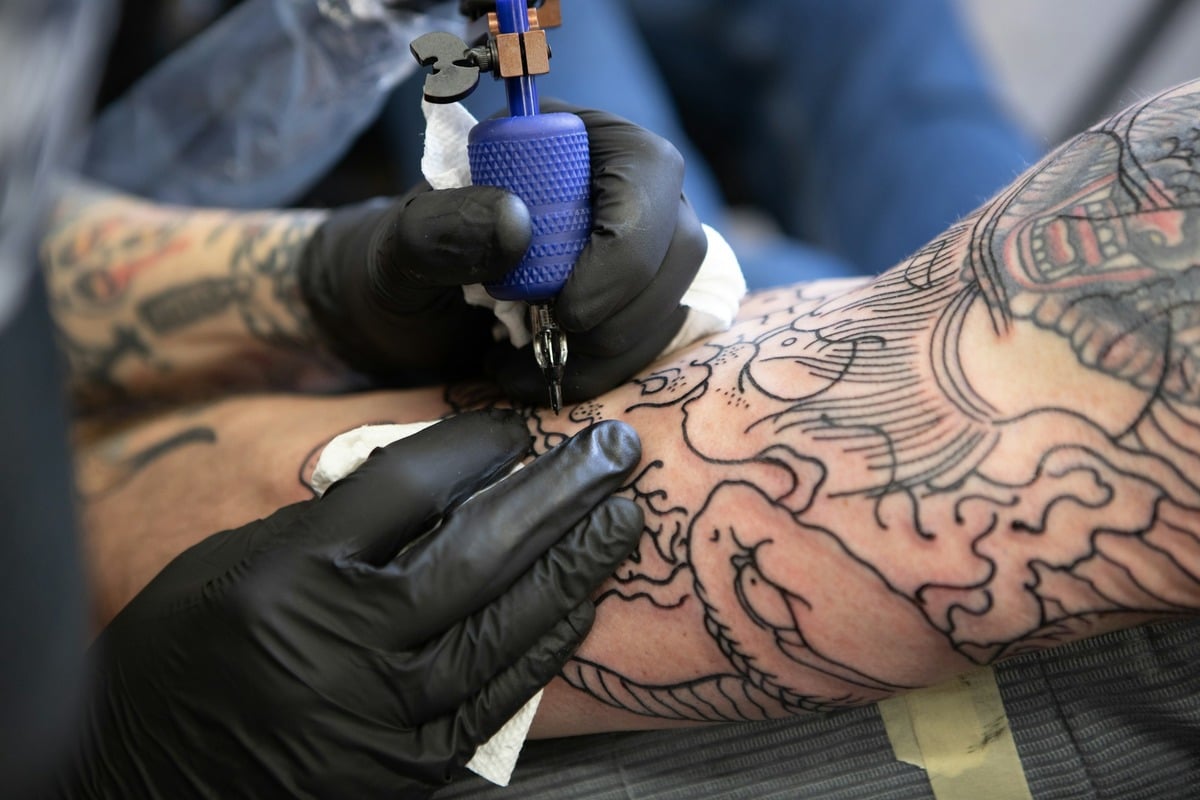
Tennessee has taken a significant step in combating human trafficking by instituting the “Ink of Hope Act.” This new legislation mandates that tattoo artists complete training designed to help them identify potential victims. The training, which can be done online or in-person, lasts up to an hour and focuses on recognizing signs of trafficking, such as injuries, branding tattoos, and coerced behaviors.
Tattoo professionals play a crucial role in this initiative. As stated by Dustin Schild, owner of Studio 42 Tattoo and Piercing, artists often interact closely with clients who may exhibit these indicators. Schild noted that traffickers sometimes use tattoos as a form of branding, marking individuals under their control. This connection between the tattoo industry and human trafficking highlights the importance of training in recognizing and addressing such signs.
Under the new law, artists applying for licensure must pass a revised exam that includes questions related to human trafficking. Those already licensed have until December 31, 2028, to fulfill the training requirement or risk having their license invalidated. The legislation has received bipartisan support, reflecting a collective commitment to address this pressing issue.
The act also provides legal protections for professionals who report suspicions of trafficking in good faith. Mary Littleton, the state representative who sponsored the law, emphasized the intimate nature of tattooing as a unique opportunity to engage artists in the fight against trafficking. According to statistics from the Tennessee Bureau of Investigation, there were over 1,170 reported tips related to trafficking in 2024, a decrease from 1,432 in 2023. Despite this decline, the numbers remain alarming, particularly concerning the trafficking of minors.
Support for the “Ink of Hope Act” extends beyond the tattoo industry. Parents and community members are backing the initiative as an essential measure to protect vulnerable individuals. One parent, Sylvester Gray Jr., articulated this concern in an interview with Action News 5. He expressed the urgency of the situation, stating, “We have a lot of young ladies growing up—mom, sisters, aunties—everybody can be trafficked, so it just feels like it needs to be done.”
The prevalence of human trafficking continues to be a critical issue. According to the National Human Trafficking Hotline, there are nearly 3,500 identified victims in the United States. The legislation aims to provide hope and support to those affected by this grave issue, reinforcing the importance of community vigilance and proactive measures.
In conclusion, Tennessee’s “Ink of Hope Act” represents a vital effort to involve tattoo artists in the fight against human trafficking. By equipping professionals with the necessary knowledge and resources, the state aims to foster a safer environment for its citizens, particularly the most vulnerable.