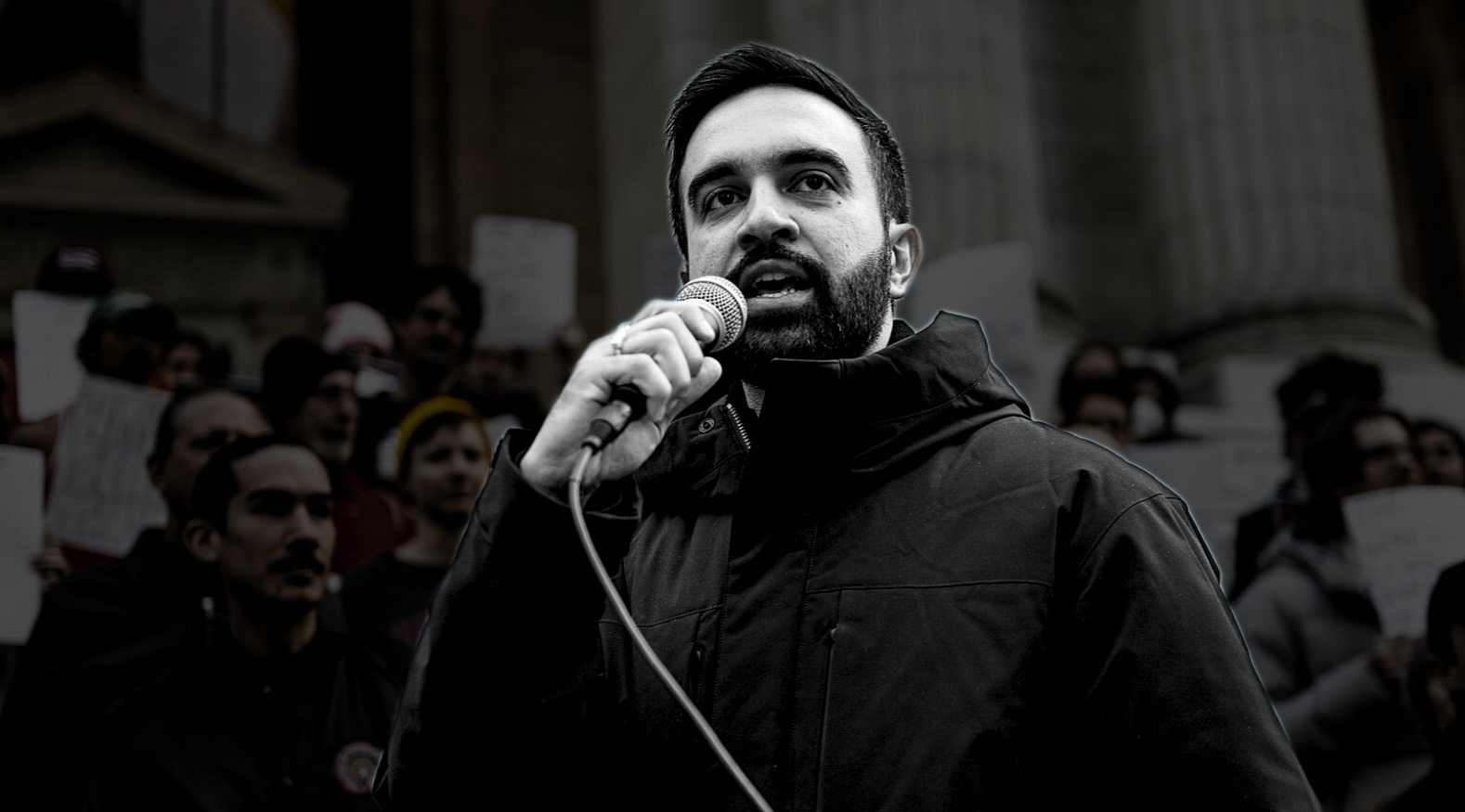
UPDATE: Newly elected Mayor of New York City, Zohran Mamdani, delivered a passionate inauguration speech yesterday, spotlighting the urgent challenges of the precarious middle class. His address resonated deeply with New Yorkers who feel the financial squeeze, marking a critical moment in the city’s political landscape.
Mamdani’s message was clear: “We will replace the frigidity of rugged individualism with the warmth of collectivism.” This statement encapsulated his commitment to addressing the needs of everyday citizens, particularly those in the “Middle Precariat,” a term used to describe the struggling middle class that has been largely ignored in political discourse.
The urgency of Mamdani’s call to action reflects a growing discontent among voters like Mariano Muñoz, a 46-year-old parent coordinator from Brooklyn, who shared his frustrations with rising living costs. “We feel the squeeze of everyday life, trying to raise our kids in Brooklyn,” Muñoz stated. This sentiment echoes across the city, as families grapple with soaring housing prices and stagnant wages.
In his speech, Mamdani identified the emotional and economic security that constituents are desperately seeking. The struggles of these middle-class families are increasingly mirrored in political outcomes, as seen in recent wins from Washington state to Georgia, where candidates like Seattle’s Mayor Katie Wilson and Virginia’s Governor Abigail Spanberger have risen to prominence by addressing affordability and economic issues.
The statistics are stark: homeownership costs have surged by 50 percent in the past five years nationwide. Families like Muñoz’s find themselves questioning their middle-class status, with many no longer able to afford basic necessities without assistance. “Not on food stamps?” he asked, reflecting a growing disillusionment with the traditional markers of middle-class life.
Amidst these challenges, the political landscape is shifting. Tara Fannon, a New York-based contractor recently laid off, voiced her frustrations with the economic policies that have disproportionately affected her and her peers. “New Yorkers like me have been hit hardest by Trump’s policies,” she stated, further emphasizing the urgency for political leaders to acknowledge these realities.
Economist Thomas Ferguson from the Institute for New Economic Thinking (INET) noted that the rising costs of public goods, including a 30 percent increase in electricity since 2021, have compounded financial pressures on families. The cost of state colleges continues to rise, forcing families to shoulder burdens that were once supported by public funding.
Mamdani’s election reflects a broader trend among voters who are tired of being dismissed. The “Middle Precariat” is asserting its political influence, demanding recognition of their struggles. As Mamdani steps into his role, he aims to harness this momentum and address the core issues affecting the lives of countless New Yorkers.
Political experts are watching closely as Mamdani and his peers navigate these turbulent waters. The implications stretch beyond New York City; they signal a potential shift in voter priorities nationwide as economic concerns take center stage in upcoming elections.
As we approach 2026, the precarious middle class is poised to exert its electoral strength, prompting a reevaluation of what it means to be middle class in America today. This is a developing story that will continue to evolve as new data emerges and as Mamdani’s policies take shape.
Stay tuned for further updates on how this movement unfolds and what it means for the future of middle-class Americans.