URGENT UPDATE: The Department of Homeland Security (DHS) has officially declared that its own REAL ID is too unreliable to confirm U.S. citizenship, raising serious concerns about the ID’s effectiveness. This shocking revelation comes amid ongoing legal battles and civil rights issues surrounding immigration enforcement practices.
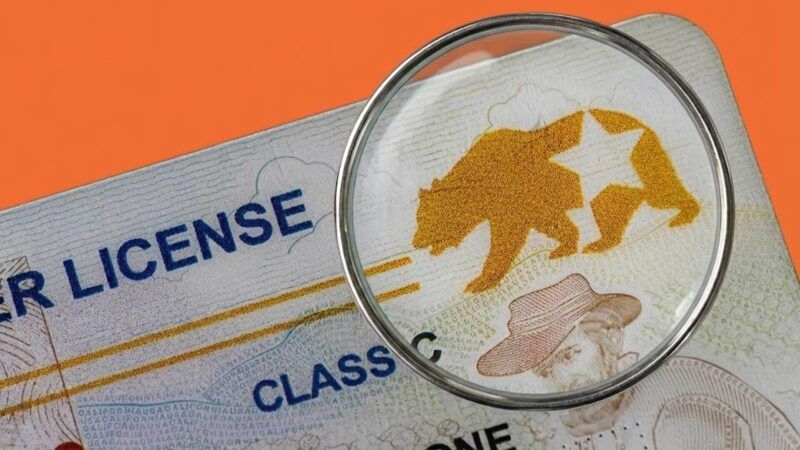
In a December 11, 2023, court filing, Philip Lavoie, acting assistant special agent in charge of DHS’ Mobile, Alabama office, stated, “REAL ID can be unreliable to confirm U.S. citizenship.” This statement is particularly alarming given that the REAL ID was created to standardize identification processes across states, primarily to enhance security post-9/11.
The context of this declaration stems from a federal civil rights lawsuit filed in October by the Institute for Justice, representing Leo Garcia Venegas, an Alabama construction worker and U.S. citizen. Venegas faced wrongful detentions during immigration raids in May and June 2023, where masked federal officers entered construction sites without warrants and detained workers based on their ethnicity. Despite presenting his Alabama-issued REAL ID, officers expressed doubts about its legitimacy, leading to his handcuffing and detention for extended periods.
Lavoie’s statement highlights a critical flaw: agents reportedly needed to “further verify” Venegas’s citizenship because different states have varying REAL ID compliance laws. Some states may issue REAL IDs to non-citizens, which raises questions about the ID’s intended purpose. The REAL ID Act, passed in 2005, aimed to create uniform standards for state IDs, but significant non-compliance from many states delayed its full implementation until this year.
This revelation is a stark reminder of the inadequacies of government initiatives aimed at enhancing security. Critics argue that while REAL IDs are presented as a means to improve national security, the actual impact on citizens, especially those from minority backgrounds, is deeply concerning. As noted by the Institute for Justice, “DHS is the very agency responsible for certifying that REAL IDs… satisfy this requirement.” The inconsistency in enforcement could violate constitutional rights and exacerbate discrimination.
DHS has attempted to clarify its position, indicating that REAL IDs are not immigration documents, but rather tools to prevent forgery and enhance security. However, this assertion is undermined by the reality that Venegas, as a U.S. citizen, should not have to carry additional documentation to prove his legal status.
The broader implications of this situation are significant. Civil rights advocates warn that allowing officers to disregard valid proof of lawful presence could lead to further violations of the Fourth Amendment, which protects against unreasonable searches and seizures. As legal challenges proceed, the effectiveness and legitimacy of the REAL ID system are now under intense scrutiny.
Moving forward, the focus will be on how this legal battle unfolds and what it means for citizens who may face similar situations. The DHS’s acknowledgment of the REAL ID’s shortcomings raises critical questions about the future of identification in the U.S. and its impact on civil liberties.
As this story develops, expect more updates regarding the legal proceedings and potential changes to immigration enforcement practices. The implications of this announcement are profound, affecting not only the future of the REAL ID but also the rights of countless individuals across the country.