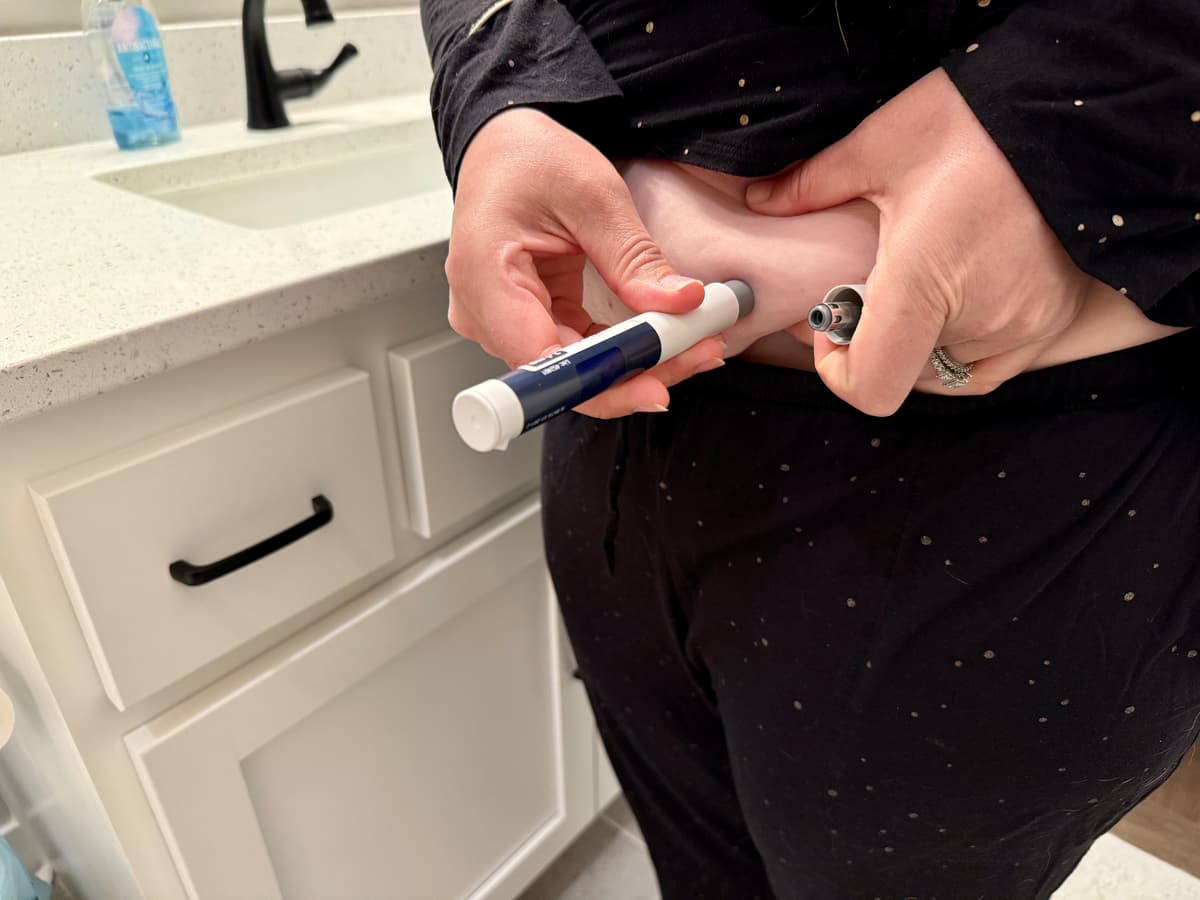
A panel from the Centers for Disease Control and Prevention (CDC) is set to review the use of aluminum salts in vaccines, a move that has raised concerns among public health advocates. This decision follows a recent vote by the Advisory Committee on Immunization Practices (ACIP) that has sparked significant debate regarding the safety and necessity of these additives.
Aluminum salts have been utilized in vaccines for nearly a century as adjuvants, substances that enhance the body’s immune response. These additives are critical in ensuring that vaccines, including those for hepatitis B, diphtheria, tetanus, and human papillomavirus, provide effective and lasting protection. Approximately half of the childhood vaccines in the United States contain these substances. Despite this, aluminum salts have become a focal point for vaccine skeptics, including high-profile figures who argue they may pose health risks.
Prominent among these skeptics is Robert Kennedy Jr., who formerly served as Secretary of Health and Human Services under President Donald Trump. Kennedy has publicly questioned the safety of aluminum in vaccines, suggesting a connection to the increase in autism and childhood allergies since the 1980s. During a National Governors Association meeting on July 26, he urged a reassessment of aluminum’s role in vaccines, citing a significant rise in allergies that coincided with an expanded vaccination schedule in 1989.
The ACIP’s recent vote, which ended a long-standing recommendation for the automatic vaccination of newborns against hepatitis B, has raised alarms. This recommendation had been credited with reducing hepatitis B infections in children by 99% since its implementation in 1991. The panel’s decision to reconsider aluminum salts aligns with ongoing debates about vaccine safety, especially following Kennedy’s overhaul of the committee’s membership, which has introduced more vaccine skeptics.
At a December 5 meeting, Evelyn Griffin, an obstetrician-gynecologist from New Orleans and now the state’s surgeon general, presented controversial claims about the potential accumulation of injected aluminum in organs, suggesting it could lead to chronic fatigue and other health issues. Griffin urged the CDC to rigorously evaluate the effectiveness and safety of all vaccine adjuvants.
Critics of this new direction argue that altering the use of aluminum in vaccines could necessitate reformulation and extensive testing, a lengthy and costly process that may take a decade. Dr. Peter Hotez, co-director at Texas Children’s Hospital Center for Vaccine Development, expressed concern that the advisory board lacks expertise in vaccine science and is selectively interpreting data to support their views. He stated, “The ACIP has ceased to be a reliable source for anything vaccine-related.”
In terms of scientific consensus, a study published in the Annals of Internal Medicine in July, which evaluated health records of 1.2 million children in Denmark, found no correlation between aluminum adjuvants and various health issues, including autism and allergies. Despite this, Kennedy dismissed the findings as “deceitful propaganda” and called for the study’s retraction.
Additionally, a review from a team of researchers at Stanford University assessed the body of evidence surrounding aluminum toxicity. They concluded that while some smaller studies have raised concerns, large-scale, rigorous studies have not established any links between aluminum salts in vaccines and adverse health outcomes. Dr. Seth Ari Sim-Son Hoffman, a co-author of the review, emphasized the strength of their findings, noting that extensive analysis over decades supports the safety of aluminum adjuvants.
Hoffman pointed out that studies involving preterm infants showed no significant increase in blood aluminum levels post-vaccination. He reiterated that aluminum adjuvants are vital for the efficacy of many vaccines on the U.S. pediatric schedule. “Removing them would leave populations vulnerable to diseases that could lead to chronic health issues and mortality,” he stated.
As discussions continue within the CDC and among the public, the implications of this review on vaccination policies and public trust in health agencies could be profound, potentially reshaping the landscape of vaccine administration in the years to come.