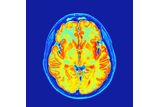
Recent research has challenged the long-held belief that medications prescribed for attention deficit hyperactivity disorder (ADHD) primarily enhance attention networks in the brain. Instead, findings published in the journal Cell indicate that these stimulant medications, such as Ritalin and Adderall, may primarily target the brain’s reward and wakefulness centers, thereby alleviating symptoms of ADHD by increasing arousal and motivation.
According to the Centers for Disease Control and Prevention (CDC), approximately 11.4 percent of children are diagnosed with ADHD, and many rely on stimulant medications to manage symptoms such as inattentiveness and impulsivity. The new study, led by researchers at the Washington University School of Medicine in St. Louis, presents a significant shift in understanding how these medications function.
Revealing the Mechanism Behind Stimulants
To explore how ADHD medications affect brain function, the researchers analyzed MRI data from 5,795 children aged between 8 and 11 years, which was collected as part of the Adolescent Brain Cognitive Development (ABCD) Study. This cohort included 337 children who had taken stimulants on the day of the scan, 76 who had a prescription but did not take the medication that morning, and the remainder who had neither been prescribed nor taken stimulants.
Interestingly, the study revealed minimal differences in brain regions associated with attention, such as the dorsal attention network and prefrontal cortex, between those who had taken stimulants and those who had not. However, significant variations were noted in areas linked to reward and wakefulness, suggesting that medications may enhance motivation rather than focus directly.
Dr. Nico U. Dosenbach, the David M. & Tracy S. Holtzman Professor of Neurology, remarked, “Essentially, we found that stimulants pre-reward our brains and allow us to keep working at things that wouldn’t normally hold our interest — like our least favorite class in school.”
Connecting Sleep and ADHD Medication
Further confirming these findings, a follow-up study with five adults who have no ADHD and have not previously taken stimulants showed similar activation in brain areas associated with reward and alertness. The ABCD Study also provided insights into the interplay between sleep and ADHD medications. Notably, children with ADHD and those who received less than the recommended 9 hours of sleep each night benefited from stimulants, performing better academically compared to their sleep-deprived peers who did not take medication.
Conversely, children without ADHD who received adequate sleep showed no significant improvement from stimulant use. Dr. Benjamin Kay, an assistant professor of neurology at Washington University, emphasized the importance of adequate sleep, stating, “Not getting enough sleep is always bad for you, and it’s especially bad for kids.” He advocates for clinicians to consider sleep patterns when diagnosing ADHD.
This research underscores the potential of stimulant medications to enhance motivation and alertness, but it also highlights a critical caveat: they should not be viewed as substitutes for proper sleep. While these medications can alleviate certain symptoms associated with ADHD, they may also mask underlying issues related to sleep deprivation.
The findings from this study encourage a broader understanding of ADHD treatments and the necessity for comprehensive evaluations that include sleep assessments. As researchers continue to investigate the complex interactions between medication, brain function, and sleep, it remains vital to approach ADHD management with a holistic perspective.
This article is for informational purposes only and does not constitute medical advice.