Floridians face a challenging home insurance market, characterized by fluctuating premiums and the looming threat of automated claim denials. Recent developments in Florida legislation aim to address these concerns. The Florida House panel has advanced **HB 527**, a bill requiring that any denial or reduction of insurance claims be made by a human, rather than an automated system. This legislative move highlights the need for accountability in an industry increasingly relying on technology.
The financial strain on homeowners is evident. After Hurricane Ian, many Floridians experienced premium increases exceeding **33%** and in some cases, even **40%**, pushing the average annual cost close to **$11,000**. This amount is nearly four times the national average, leaving families anxious as they open renewal notices. The fear of rising costs is compounded by the potential of being denied claims based on impersonal algorithms, rather than human judgment.
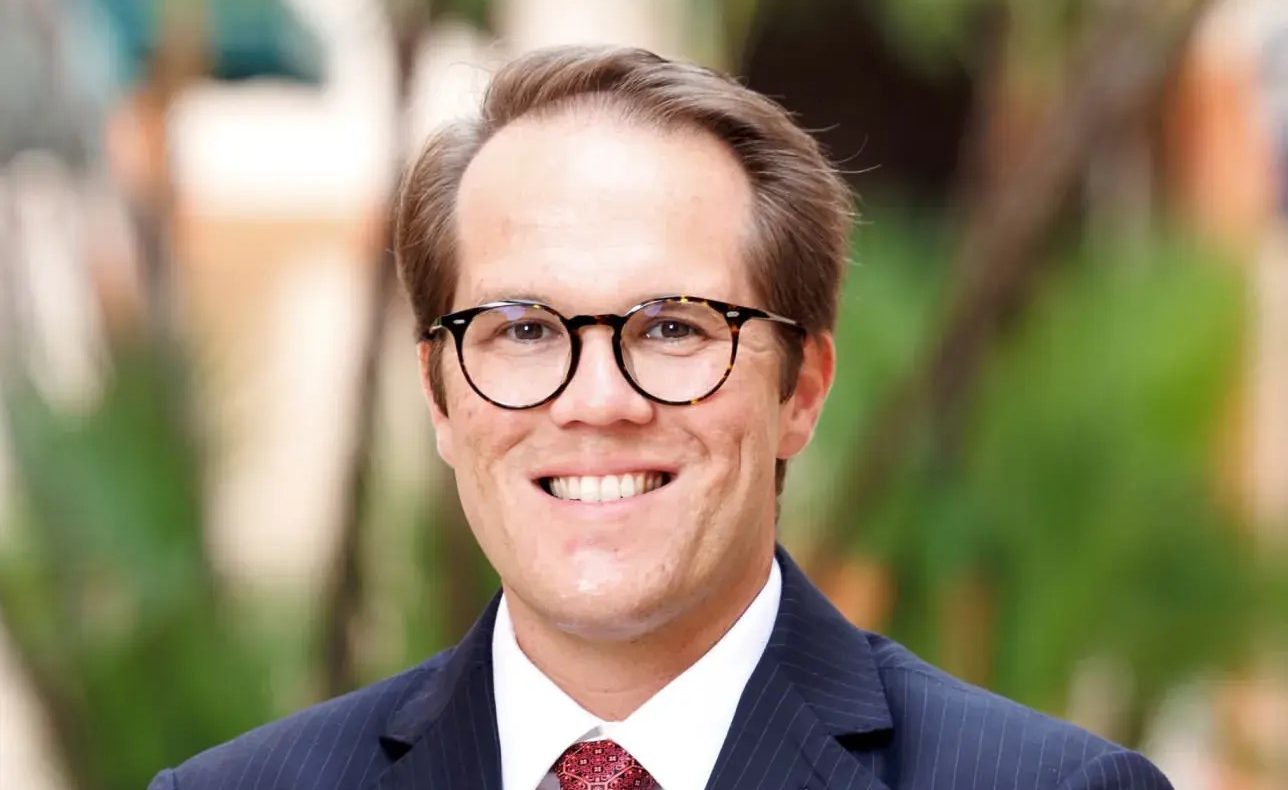
Matthew T. Christ, a partner at Rafferty Domnick Cunningham & Yaffa, emphasizes the necessity of this bill. According to him, when an insurance company opts to deny or reduce a claim, a person, not an algorithm, should make that critical decision. This principle is vital for ensuring that consumers have the right to question and understand the rationale behind decisions that significantly impact their financial well-being.
The insurance industry is increasingly using automated systems for processing claims, often under the guise of efficiency. Yet, this reliance on technology can lead to a lack of transparency. When a claim is deemed “not covered” without a clear explanation, it can create a disconnect between policyholders and their insurers. The bill addresses this issue by mandating that human oversight be involved in significant decisions, restoring a sense of balance to the relationship between insurers and insured.
As climate risks escalate, the home insurance market faces further instability. Rising costs are driving some households to forgo insurance altogether, exacerbating financial vulnerability during crises. The introduction of opaque AI systems into this already precarious landscape threatens to widen the gap between what families pay and what they receive when disaster strikes.
HB 527 does not seek to eliminate the use of AI or halt innovations within the insurance sector. Instead, it establishes a boundary where human judgment is essential for decisions with substantial consequences. Insurers must be prepared to stand behind their decisions and answer questions from policyholders. This level of transparency is not merely a burden; it is a fundamental right that consumers deserve.
Critics of the bill raise concerns about the implications of requiring human involvement in every claim decision. Yet, if automated systems are genuinely meant to assist adjusters, there should be no opposition to ensuring that these adjusters have the final say. The potential for automation to make it easier to deny claims is significant. Once an insurer relies on algorithms to determine claim outcomes, the risk lies in creating a culture where denials become the norm.
This legislation aims to prevent such scenarios, safeguarding the rights of Floridians to have their claims evaluated by a person who can appreciate the nuances of individual cases. The bill represents a critical step toward restoring trust in an industry that has faced significant scrutiny for its practices. It emphasizes that technology should serve to enhance fairness, rather than undermine it.
As Floridians grapple with rising insurance costs, the need for transparent processes becomes even more pressing. HB 527 stands as a vital measure in ensuring that households are not left to navigate an automated system that could leave them vulnerable in times of need. For the millions of residents who have fought for fair coverage and reasonable premiums, this legislative effort provides a lifeline and reinforces the importance of human oversight in insurance decision-making.