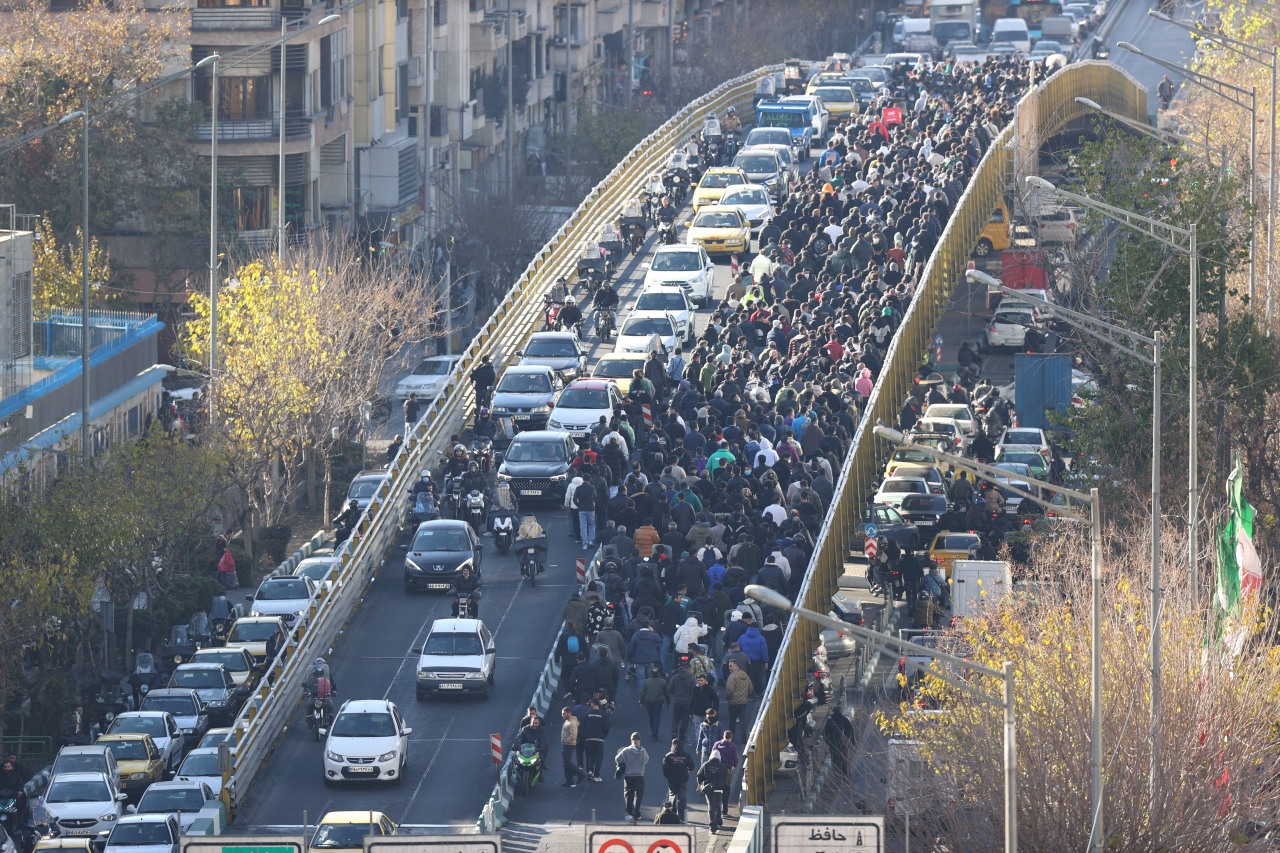
Unrest has surged across Iran as citizens take to the streets, driven by frustration over a significant drop in the value of the Iranian Rial. This latest wave of protests highlights the deepening economic crisis affecting the nation, with many Iranians expressing their discontent with the current regime’s handling of financial issues.
The protests began in early October 2023, coinciding with the currency’s decline against major world currencies. The Central Bank of Iran reported that the Rial had depreciated by over 30% in the past month alone, leading to skyrocketing prices for essential goods. Citizens are particularly vocal about the rising costs of food and fuel, which have become increasingly unaffordable for many families.
Economic Factors Behind the Protests
The unrest is rooted in a prolonged economic downturn, exacerbated by a series of sanctions imposed by international bodies. The International Monetary Fund (IMF) has indicated that Iran’s economy is expected to contract by 2.5% this year, with inflation rates soaring above 40%. The Iranian government has struggled to implement effective economic reforms, and many citizens feel that their voices are not being heard.
Protesters have gathered in various cities, including the capital, Tehran, demanding changes to government policies and accountability from leaders. The ongoing dissatisfaction reflects a broader sentiment of hopelessness among the populace, particularly among younger generations who see limited prospects for their future.
Government Response and Implications
In response to the protests, the Iranian government has deployed security forces to maintain order, resulting in clashes in some areas. Officials have urged calm and promised to address economic issues, but many citizens remain skeptical of the Rouhani Administration‘s ability to effect real change. Supreme Leader Ali Khamenei has called for unity and patience, emphasizing the need for resilience in the face of adversity.
As the protests continue, the potential for broader unrest remains a concern for the regime. Analysts suggest that if the government’s response fails to alleviate the economic burden on citizens, the protests could escalate further. The international community is watching closely, as the situation in Iran could have significant implications for regional stability and international relations.
The protests underscore a critical moment for Iran, as growing economic pressures intersect with the public’s desire for change. With the currency crisis deepening, the government faces a pivotal challenge in addressing the root causes of discontent while maintaining control over the increasingly restless population.