As 2025 concludes, economic forecasts indicate that several significant issues are likely to persist into 2026. Topics such as sluggish hiring, the impact of artificial intelligence (AI), tariffs, and sustained inflation are expected to dominate discussions in the coming year. This backdrop of economic uncertainty may influence voter sentiment leading into the midterm elections.
Recent government data, released after delays due to shutdowns, presents a complex picture of the economy. While the gross domestic product (GDP) expanded at a robust annual rate of 4.3 percent in the third quarter, the growth is not without its challenges. Consumer spending and exports contributed positively, but a decline in residential and business investment raises concerns about overall stability. According to Brian Bethune, an economist at Boston College, “While top level growth of 4.3 percent looks good prima facie, there are some troubling signs when you pop open the hood.”
Despite the positive GDP figure, the economic landscape reveals rising unemployment and persistent inflation. As of November, the unemployment rate reached 4.6 percent, the highest level since 2021. Jerome Powell, the chair of the Federal Reserve, expressed optimism that joblessness would not escalate significantly, highlighting that recent cuts to the benchmark lending rate have aimed to stabilize the labor market.
Job Market and AI Disruption
The labor market has shown signs of sluggishness, with employers adding over one million fewer jobs in the first eleven months of 2025 compared to the previous year. Although layoffs have remained limited, an influx of job seekers has contributed to the rising unemployment rate. Powell noted, “We won’t see any kind of a sharper downturn” in employment, a sentiment echoed by many private forecasters.
AI continues to be a transformative force in the economy, although its effects on the workforce remain uncertain. The rapid advancement of AI technologies, such as ChatGPT and Google Gemini, has led to increased adoption by businesses. This surge in AI spending has bolstered economic growth, but it has also raised concerns about potential job losses. Some companies are already scaling back hiring as they navigate the integration of AI solutions into their operations.
A report from Goldman Sachs suggests that while widespread job losses are a valid concern, AI’s impact on employment levels may be modest and temporary. In contrast, Dario Amodei, CEO of AI firm Anthropic, warned that AI could potentially eliminate half of all entry-level white-collar jobs, pushing unemployment rates to between 10-20 percent within five years.
Tariffs and Inflation Concerns
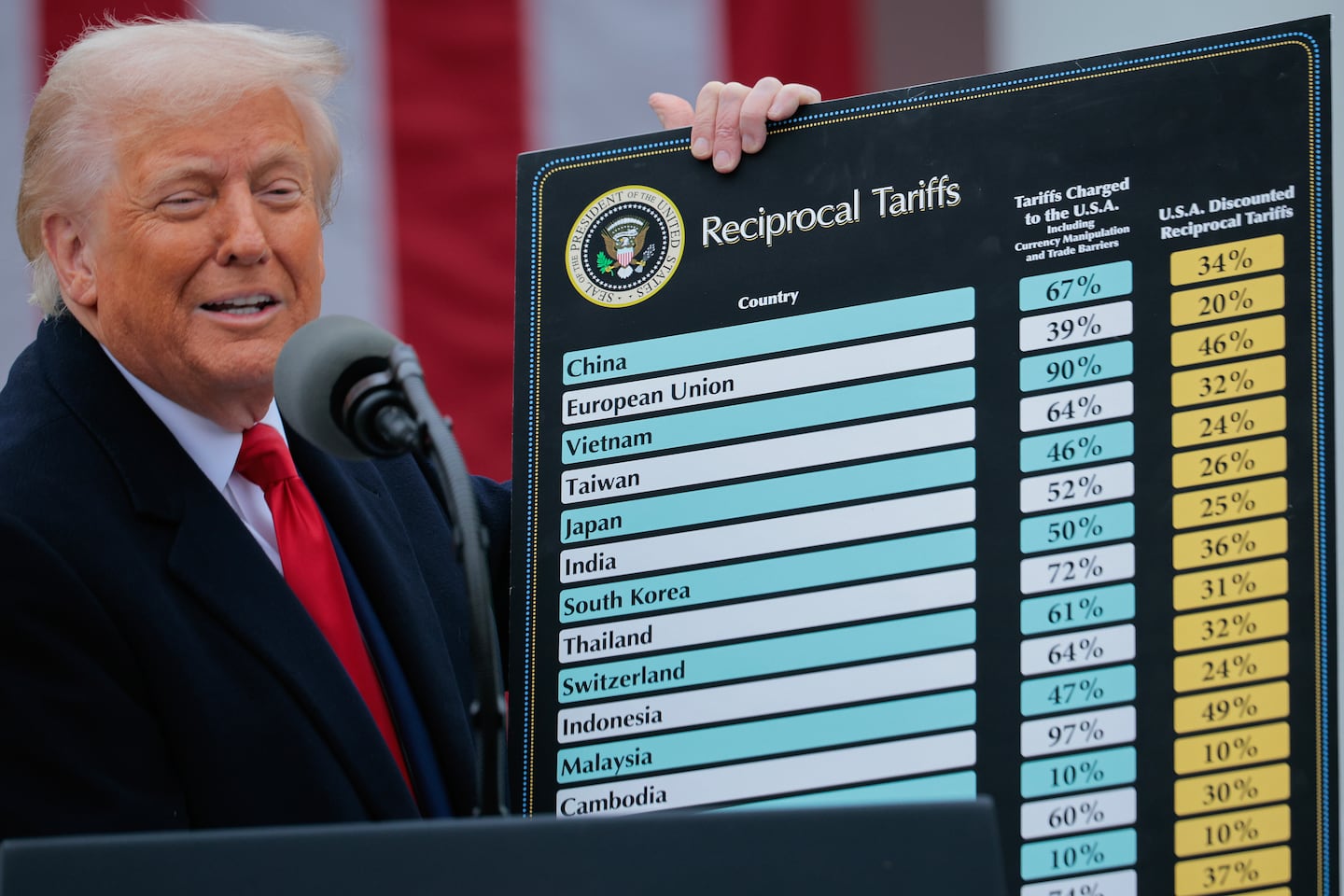
The economic climate is further complicated by ongoing trade policy issues. Following the imposition of tariffs during the Trump administration, which included a 10 percent baseline import tax and rates as high as 40 percent on various trading partners, economists had anticipated inflation spikes or a recession. However, the expected fallout did not materialize as some tariffs were rolled back, and many companies managed to absorb increased costs.
Looking ahead to 2026, tariffs are projected to exert a modest drag on GDP growth, with the Conference Board forecasting a slowdown to 1.3 percent year-over-year growth by the fourth quarter, down from 1.7 percent in 2025. Additionally, inflation is expected to remain elevated as companies pass on costs to consumers. The Federal Reserve has indicated that its preferred inflation measure, which excludes volatile food and energy prices, could rise to 2.6 percent in 2026, slightly above previous estimates.
The convergence of a weak labor market, rapid AI adoption, and tariff pressures creates a landscape filled with uncertainty. While these factors do not signal an imminent recession, they may lead to widespread frustration among consumers facing high prices and stagnant job growth. The implications of this economic environment could significantly influence the upcoming midterm elections, potentially resulting in a backlash against the ruling party.
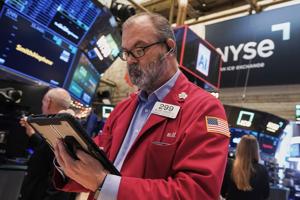
As we approach 2026, it is essential to remain vigilant about these ongoing trends. The sentiment expressed by stock market strategist Ed Yardeni reflects a broader hope among investors: “The pessimists have just been wrong for so long that people are kind of tired of that schtick.” Notably, none of the 21 Wall Street analysts surveyed by Bloomberg News foresee a market decline in 2026, indicating a cautious optimism as the new year begins.