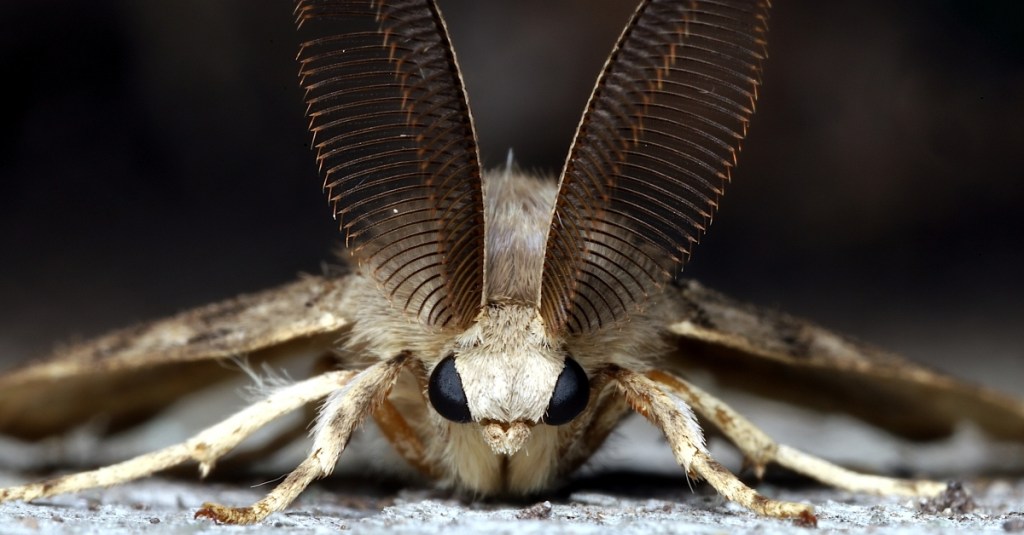
BREAKING: In a stunning discovery, researchers in Vermont have captured footage of moths drinking tears from a moose, a behavior known as lachryphagy. This rare phenomenon was documented on a trail camera in the Green Mountain National Forest during the early hours of June 19, 2024, between 1:44 and 1:48 a.m., highlighting a fascinating interaction between species.
The footage reveals 80 images of moths clustered around the face of a male moose, marking the first documented instance of this behavior in cold-weather regions. Researchers collected over 247,000 moose photos across nearly 500 sites in Maine, Massachusetts, New Hampshire, and Vermont, making this finding a significant breakthrough in understanding animal behavior.
Lachryphagy is not entirely unheard of; it has previously been observed in tropical regions where butterflies and moths sip eye secretions from larger animals. However, the behavior had only been documented once outside of the tropics, involving a horse. The revelation that moose can also be hosts for this behavior expands the scope of lachryphagy’s known occurrences.
While the specific species of moths involved remains unidentified, researchers believe they belong to the Geometridae family based on their size and shape. This new interaction raises questions about the ecological implications, as researchers caution that tick-feeding insects could potentially transmit diseases like keratoconjunctivitis, which affects moose health. Fortunately, there have been no documented cases of disease transmission through tear-feeding in moths to other animals.
This discovery adds an intriguing chapter to the study of wildlife interactions and their adaptations to environment and availability of nutrients. The findings, published in Ecosphere and detailed in Scientific American, urge further investigation into how these behaviors develop and their impact on both the moths and their moose counterparts.
As researchers continue to study these extraordinary interactions, audiences are left to ponder the mysteries of nature and the unexpected connections that exist within our ecosystems. Keep an eye out for updates on this captivating story that underscores the wonders of wildlife in Vermont.