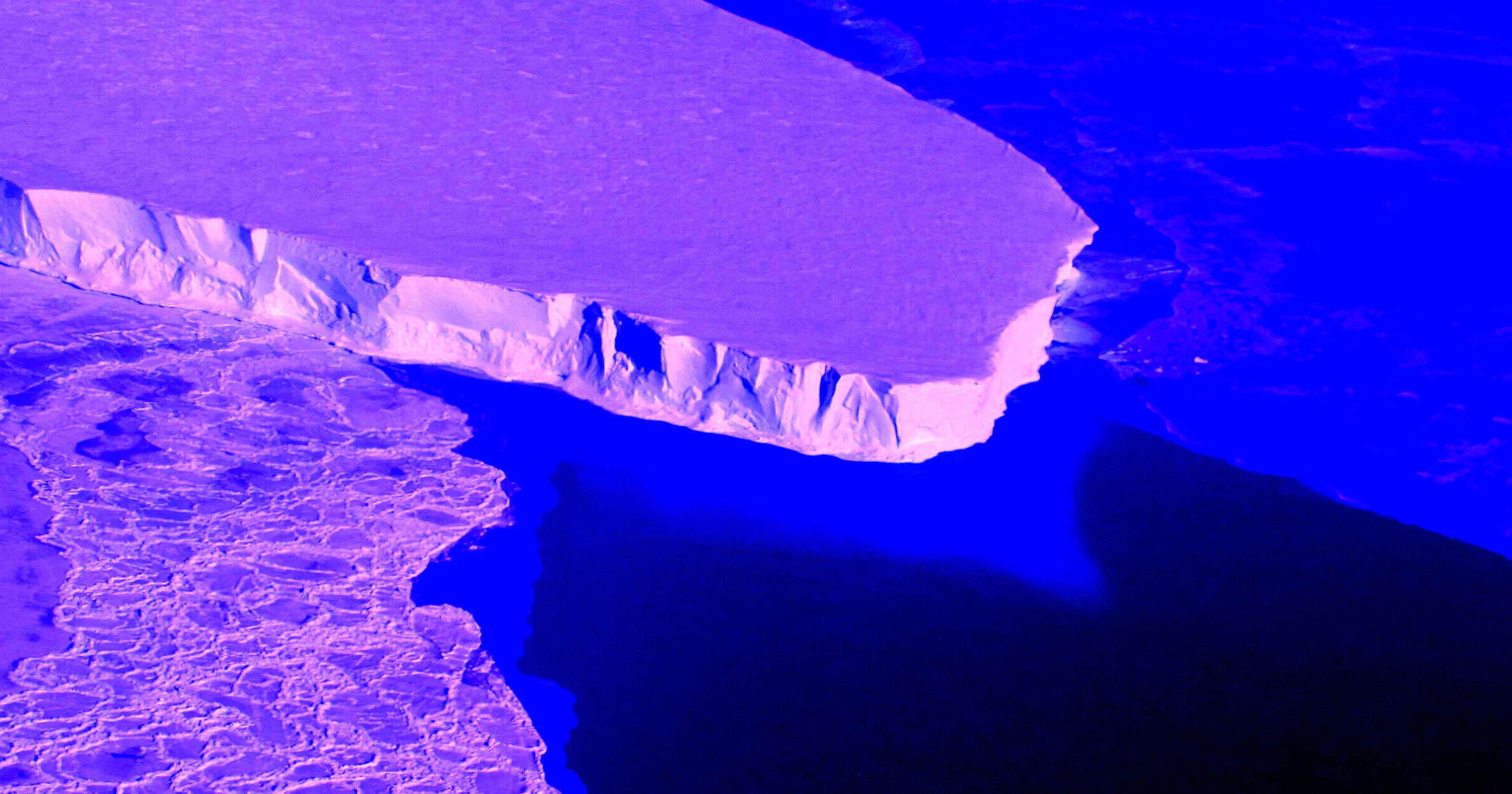
The Thwaites Glacier, often referred to as the “Doomsday Glacier,” is on the brink of catastrophic collapse, raising alarms about the potential for significant sea level rise. This enormous ice shelf in Antarctica has been retreating at an accelerated pace, with large cracks jeopardizing its structural integrity. According to a study published by the International Thwaites Glacier Collaboration (ITGC), the situation continues to worsen, posing grave implications for coastal communities worldwide.
Researchers from the University of Manitoba have analyzed satellite data spanning from 2002 to 2022 and found that the cracks in the glacier are expanding, particularly around a shear zone that is critical to its stability. The study reveals that the total length of fractures has increased from approximately 100 miles to over 200 miles. Despite this alarming growth, the average length of the fractures has decreased, indicating that new stresses are impacting the glacier’s structure.
The effects of warming ocean waters are compounding the issue as they continue to melt ice shelves like Thwaites. Recent studies indicate that changes in the ocean can be observed not just over years but even within hours and days. Researchers have noted swirling eddies of water, some measuring up to six miles across, which are eroding the glacier from below. This dynamic interaction between cold glacier water and warmer ocean water is creating a troubling feedback loop.
As coauthor and UC San Diego assistant professor Lia Siegelman explained, “This positive feedback loop could gain intensity in a warming climate.” The implications are dire, as scientists predict that if the Thwaites Glacier were to collapse, it could result in a global sea level rise of up to 11 feet, affecting tens of millions of people living in coastal regions.
The ITGC’s 2025 report highlights that while a complete collapse of the glacier is not imminent, its retreat is expected to accelerate throughout the 21st and 22nd centuries. The report emphasizes the importance of immediate climate action, stating, “Immediate and sustained climate change mitigation (decarbonisation) offers the best hope of delaying this ice loss.”
As researchers continue to study the Thwaites Glacier, the urgency to address climate change becomes increasingly critical. The findings underscore the need for a comprehensive understanding of how global warming impacts not just this glacier, but also other marine-based sectors of East Antarctica. With its future uncertain, the Thwaites Glacier remains a pivotal point of focus for scientists and policymakers alike.
The ongoing research not only sheds light on the glacier’s current state but also serves as a clarion call for global action to mitigate the catastrophic impacts of climate change. With the stakes higher than ever, the world watches closely as the fate of the Doomsday Glacier unfolds.