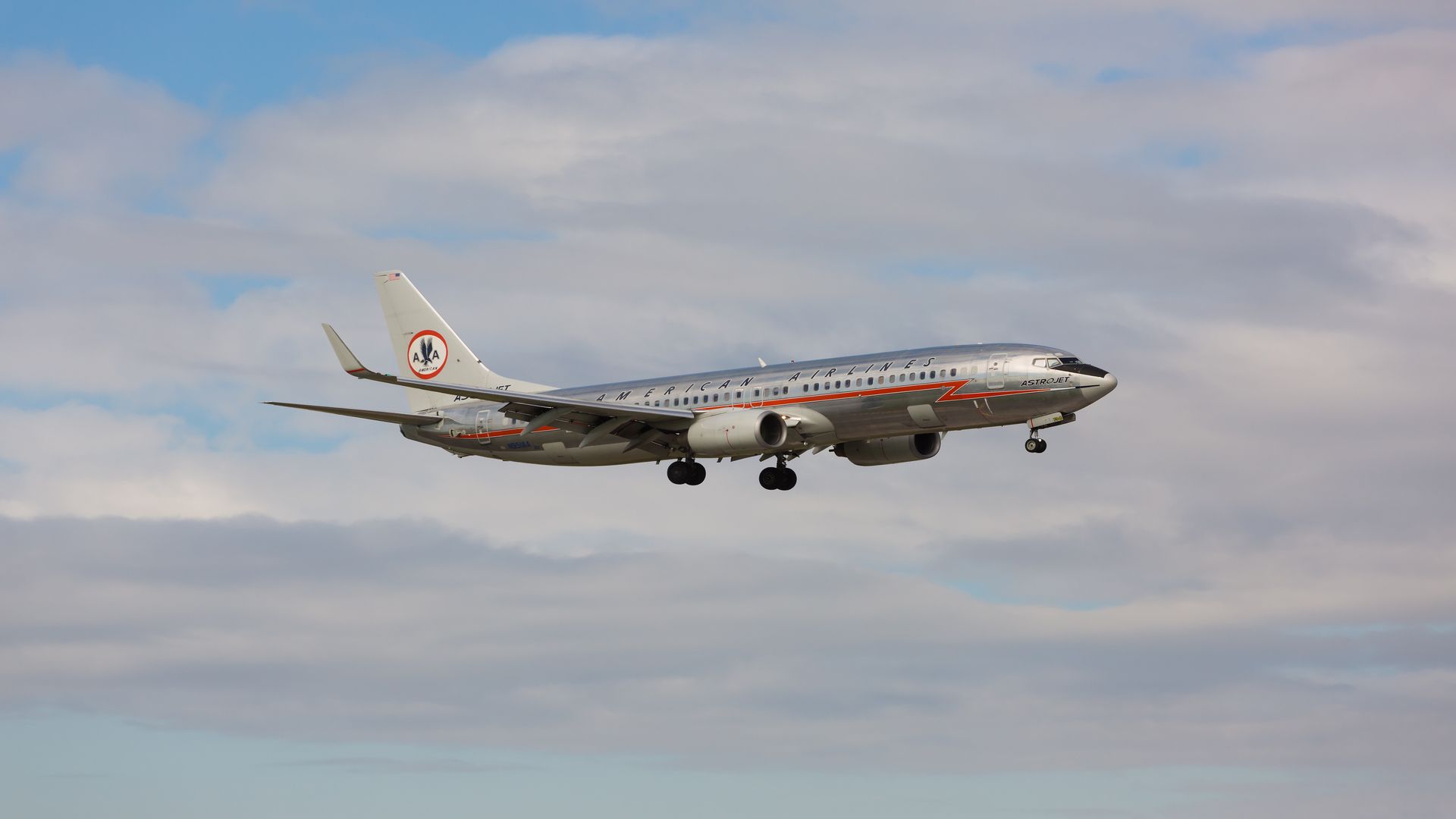
The Boeing 737 MAX 10 is generating significant interest as the company positions it as the most profitable large single-aisle aircraft in the market. While this claim is enticing, especially for airlines navigating rising fuel costs and labor expenses, the reality of profitability in commercial aviation is more complex. As the MAX 10 awaits certification and the onset of commercial service, its claims remain largely theoretical.
The assertion that the MAX 10 offers unmatched profitability is primarily based on performance modeling. Boeing asserts that the aircraft will deliver the lowest seat-mile costs of any large single-aisle aircraft. However, without operational data to support these claims, potential profitability remains unverified. Current assessments of profitability depend heavily on ideal conditions, such as high utilization rates and favorable route structures, which cannot be guaranteed.
Challenges in Verifying Profitability
Critics emphasize the need for caution when interpreting Boeing’s claims. Previous stretched narrowbody aircraft, like the Boeing 737-900ER and the Airbus A321ceo, were marketed similarly as unit-cost leaders. Yet, their actual profitability has varied significantly based on airline deployment strategies. The MAX 10’s profitability is contingent not only on its design but also on how airlines choose to operate it in the real world.
Currently, the Airbus A321neo serves as a direct competitor and is already generating measurable returns across diverse business models. It has established a strong operational track record that allows airlines to confidently deploy it on various routes, from high-density domestic services to longer-haul missions. This established performance contrasts sharply with the MAX 10, which, until its operational debut, cannot be directly compared.
Boeing’s argument in favor of the MAX 10 hinges on its seating capacity, trip-cost efficiency, and fleet commonality. In high-density configurations, the aircraft can accommodate approximately 220 to 230 passengers. This capacity allows airlines to spread fixed costs, such as fuel and crew, across more seats. Additionally, airlines already operating the 737 MAX benefit from reduced training and maintenance costs, enhancing the economic appeal of the MAX 10.
Evaluating the Competitive Landscape
While the MAX 10 presents advantages regarding capacity, it also comes with limitations. Compared to the A321neo, its range is shorter, which restricts its operational flexibility on longer routes. This means that its profitability is most likely to be realized on dense, short- to medium-haul routes rather than across a broad spectrum of network structures.
Airlines that have placed orders for the MAX 10 view it primarily as a tool for cost reduction instead of a guaranteed profit driver. For example, United Airlines has emphasized the aircraft’s role in lowering unit costs on high-density routes while benefiting from fleet commonality. This cautious approach reflects a realistic evaluation of new aircraft, focusing on manageable cost improvements rather than absolute profit guarantees.
Industry analysts are generally optimistic but recognize the challenges posed by ongoing certification delays. Each postponement not only hinders potential revenue generation but also diminishes the competitive edge Boeing aimed to achieve. The entry into service for the MAX 10 has been delayed by nearly seven years, which raises concerns about its future relevance in a competitive market.
The delay in certification remains a central issue for the MAX 10, as it affects not only Boeing’s financial outlook but also the operational plans of airlines. As airlines adjust their fleets based on these delays, the window for the MAX 10 to capture favorable market conditions narrows.
In conclusion, while the Boeing 737 MAX 10 has the potential to be a key player in the large single-aisle market, it has yet to substantiate the claim of being the most profitable aircraft in its class. Its performance will ultimately be judged by real-world operations rather than marketing assertions. If it successfully enters service and proves its economic value, it could indeed become a significant asset for airlines seeking to optimize their fleets. However, until that time, its profitability remains a topic of theoretical discussion rather than practical reality.