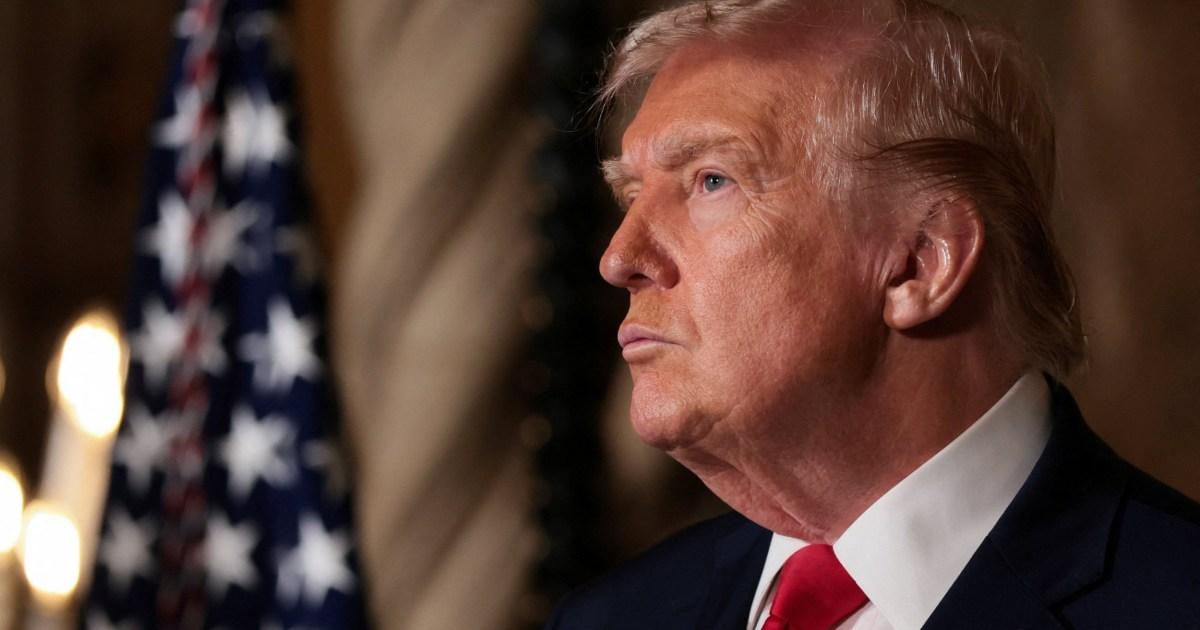
Donald Trump has expressed reluctance to acknowledge Somaliland following Israel’s historic recognition of the breakaway republic. On Friday, Israel became the first country to formally support Somaliland, a territory located on the Horn of Africa, bordered by Djibouti to the north, Ethiopia to the south and west, and Somalia to the east.
Israeli Prime Minister Benjamin Netanyahu is set to address this development during his meeting with the U.S. president on March 18, 2024. Despite this diplomatic milestone, Trump reportedly displayed little interest in the matter, questioning, “Does anyone know what Somaliland is, really?” while at his golf course in West Palm Beach, Florida.
Somaliland, which gained de facto independence from Somalia during the civil war in 1991, has positioned itself as a stable political entity, distinct from the instability that plagues Somalia. It has successfully conducted democratic elections and is seeking to join the Abraham Accords, which includes Arab nations that have normalized relations with Israel. The region has also proposed offering land for a potential U.S. naval base in the Gulf of Aden.
However, Trump’s response to these suggestions was dismissive. He referred to the proposals as a “big deal” but stated they were “under study.” He added, “I study a lot of things and always make great decisions, and they turn out to be correct.”
Netanyahu’s Focus on Gaza
During their upcoming discussions, Netanyahu is expected to prioritize the situation in the Gaza Strip over Somaliland-related matters. This focus reflects the broader geopolitical concerns surrounding Israel and its relationships with neighboring territories.
Prominent advocates for Somaliland within U.S. politics include Congressman Scott Perry, a staunch Trump supporter who has introduced legislation aimed at recognizing Somaliland as an independent state. While Somaliland maintains strong ties with Ethiopia and several Arab nations, its quest for international recognition faces resistance from countries like Egypt and Turkey, which oppose its independence.
The evolving diplomatic landscape surrounding Somaliland reflects a complex interplay of regional interests and global politics. As Israel steps into the role of the first country to officially recognize Somaliland, the implications for U.S. foreign policy and regional stability remain to be seen.