Myanmar’s military rulers have announced plans to hold staggered general elections starting on December 28, 2023, and concluding in late January 2024. The leadership hopes these elections will restore stability and alleviate the junta’s diplomatic isolation. This announcement comes despite a brutal civil war that erupted following the military coup in February 2021, which has thrown the country into chaos.
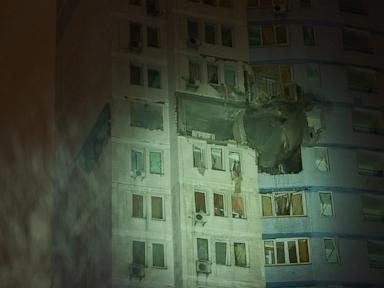
The military has faced severe criticism for its actions since the coup, including indiscriminate bombings of civilian areas, mass detentions, and the displacement of millions. Aid agencies report that over 11 million people are currently experiencing food insecurity. The humanitarian crisis has deepened as the military struggles to regain control of territory lost to opposition forces.
At a recent summit of the Association of Southeast Asian Nations in Malaysia, United Nations Secretary General António Guterres questioned the legitimacy of the upcoming elections. He stated, “Is there anyone who believes that there will be free and fair elections in Myanmar? It is quite obvious that in the present state of conflict… the conditions for free and fair elections are not there.”
In a bid to manipulate the electoral process, the military has introduced a new law prohibiting what it terms “interference” in the election. According to Human Rights Watch, nearly 100 individuals were detained under this law as of November, with that number reportedly more than doubling in recent weeks. The military has even pursued charges against individuals for criticizing the election on social media.
The elections are particularly controversial as the military’s proxy party, the Union Solidarity and Development Party (USDP), aims to dominate the parliament. This is the same party that suffered a heavy defeat at the hands of Aung San Suu Kyi‘s National League for Democracy (NLD) in the 2020 elections, which precipitated the coup. The NLD remains banned, and Suu Kyi, along with other party leaders, is imprisoned. Her son, Kim Aris, expressed concerns for her well-being, stating, “For all I know, she could be dead.”
Despite these challenges, the military has made gains on the battlefield against opposition forces. Morgan Michaels, a Southeast Asia security analyst at the International Institute for Strategic Studies, noted that the military has regained the initiative in key areas, aided by a conscription campaign and improved use of drones. He also highlighted the fragmentation within opposition groups, which has hindered their effectiveness.
China’s stance on the Myanmar military is complex. While it does not support the military or the coup, it is concerned about the instability that has followed. Yun Sun, director of the China program at the Stimson Center, emphasized that the civil war threatens China’s infrastructure projects in Myanmar, such as gas and oil pipelines. China views the military as a “necessary evil” to stabilize the region and protect its economic interests.
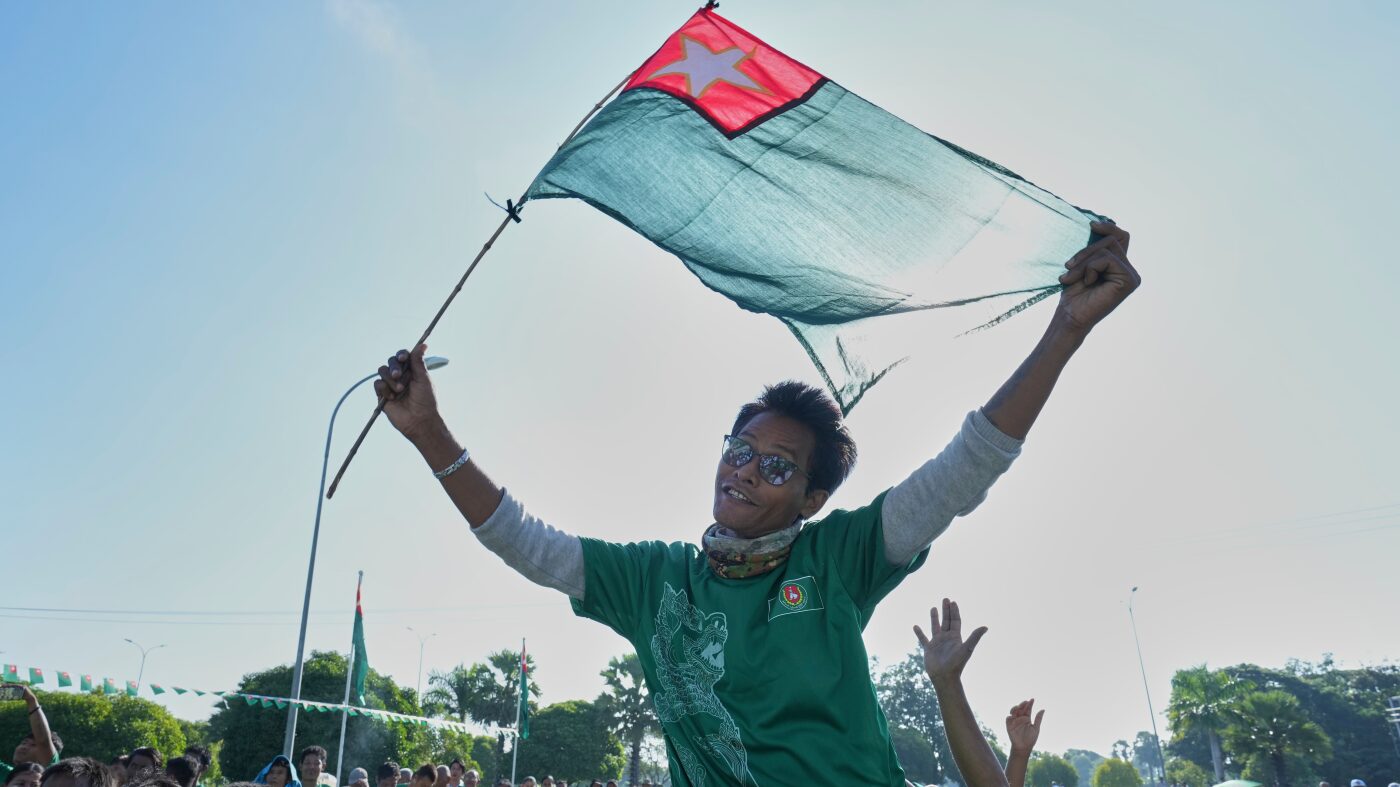
As the junta prepares for its elections, there is evidence of fatigue among those who initially supported the armed struggle against it. According to analyst Min Zaw Oo, many young fighters are abandoning their posts for better opportunities in neighboring countries like Thailand. Nevertheless, some remain committed to opposing the military regime. Rebel commander Ko Ta Mar, who transitioned from a medical career to armed resistance, expressed frustration with the opposition’s disunity but affirmed his resolve to continue the fight.
The upcoming elections are seen by some as a superficial solution to a deep-rooted crisis. David Mathieson, a long-time analyst of Myanmar, noted that the shadow National Unity Government, which claims to represent the ousted government, is struggling to gain the support of citizens. Many people are reportedly more willing to accept the military’s plans for stability than to continue fighting for a future that appears uncertain.
As Myanmar approaches the first round of elections, the military is betting that its strategy will allow it to restore order and ease its international isolation. The second and third rounds of elections are scheduled for January, and the global community watches closely to see how the situation will unfold.