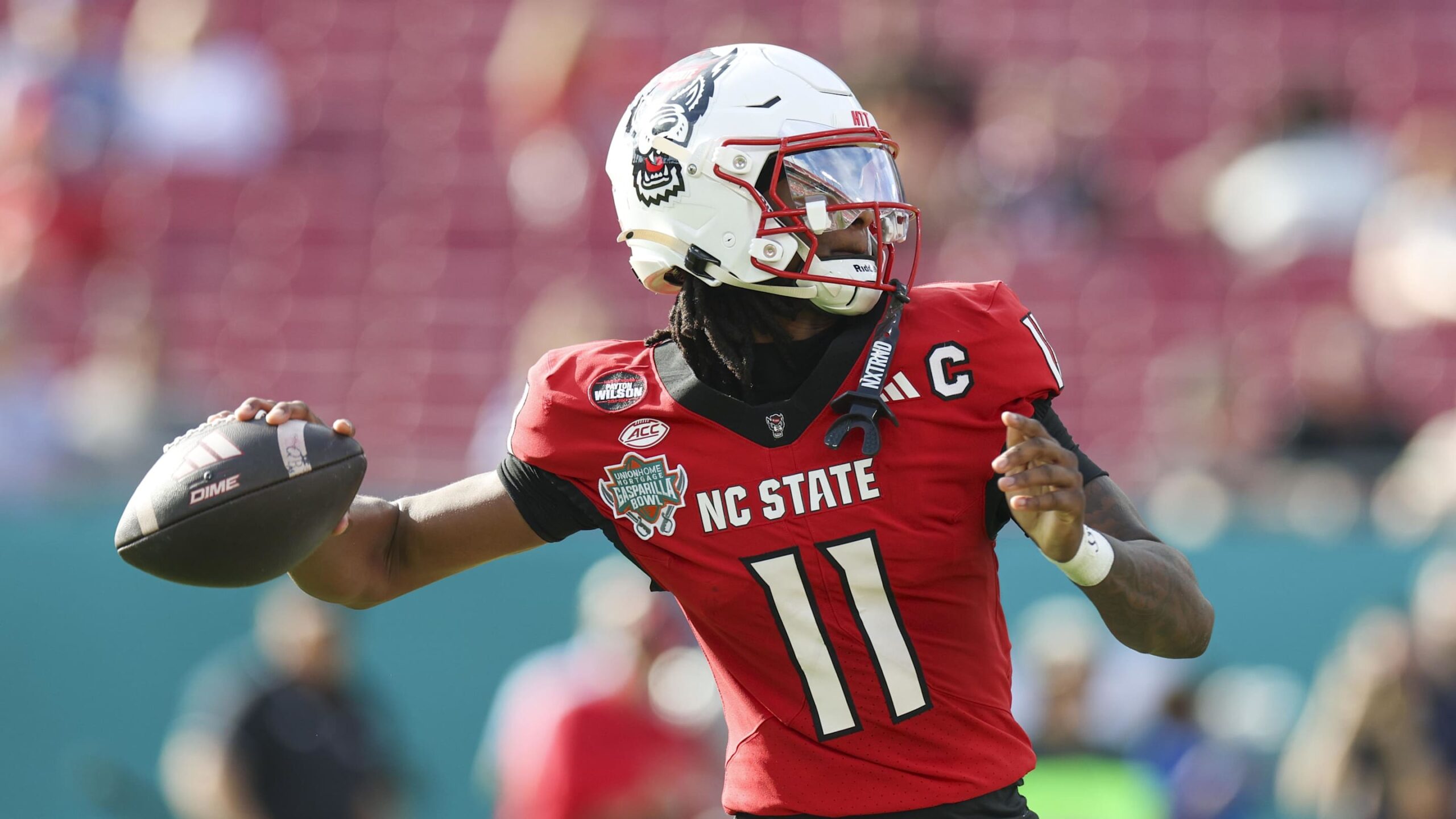
The evolving landscape of Name, Image, and Likeness (NIL) agreements in college athletics is facing scrutiny following a troubling provision in North Carolina State University’s (NC State) NIL contracts. Attorney Darren Heitner highlighted significant concerns regarding the potential penalties athletes could face due to the actions of third parties, such as parents and agents.
Controversial Provision in NIL Agreements
In a recent analysis shared via Sports Business Journal, Heitner examined the NIL agreement for NC State’s Wolfpack athletes and pointed to a specific clause. This provision stipulates that athletes may be held liable for any breaches of confidentiality committed by their representatives. If the terms of their deals are disclosed, athletes risk losing up to 50% of their agreed compensation.
Heitner criticized this approach, arguing that it is unreasonable to penalize athletes for actions beyond their control. He stated, “Universities shouldn’t be drafting one-sided provisions that penalize students for others’ actions.” This sentiment underscores the growing concerns regarding the fairness of NIL deals and the legal responsibilities placed on student-athletes.
Implications of Disclosure Requirements
The complexity of NIL contracts is compounded by recent requirements from the House of Representatives. Athletes must disclose any NIL deals valued over $600, despite potential non-disclosure agreements included in those contracts. This legal obligation may present further complications for athletes, as compliance could inadvertently conflict with confidentiality terms.
Heitner’s observations raise critical questions about the appropriateness of holding athletes financially accountable for disclosures made by others. The provision, which could lead to substantial penalties for athletes based on their relatives’ or agents’ actions, appears draconian. As the relationship between athletes and their representatives evolves, it is essential to reconsider such terms within NIL agreements.
Advocates for reform in NIL regulations argue that a unified framework is necessary to address inconsistencies across different states and institutions. The ongoing discussion highlights the need for clear guidelines that protect athletes from undue penalties while ensuring transparency in the rapidly changing landscape of college sports.
As the NIL era continues to develop, stakeholders in college athletics are urged to engage in dialogue regarding the fairness and sustainability of these contracts. The potential for legislative action may provide a pathway to address these pressing issues, ensuring that student-athletes can navigate their new opportunities without the threat of punitive measures stemming from third-party actions.