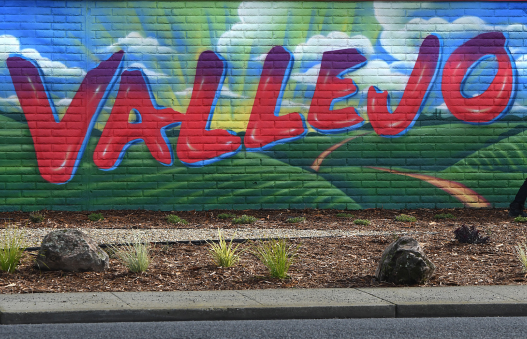
Residents of Vallejo, California, are expressing deep concern regarding the state of free speech in their community. Local citizen Paula Conley has raised significant issues about the increasing trend of censoring opinions on social media platforms that are meant to facilitate discussions about the city’s challenges. This situation has led to a growing sense of frustration among Vallejoans, who feel their voices are being stifled.
Conley highlights that Vallejo is experiencing distress, with opinions on the city’s condition varying from disappointment to a sense of danger. While citizens possess diverse views on the factors contributing to this situation, the ability to express those opinions is increasingly under threat. Conley asserts that the local political and social media landscape should serve as a forum for open dialogue, allowing residents to discuss and debate important issues. Instead, she argues that it has devolved into a space marked by censorship and exclusion, reminiscent of high school cliques.
The implications of this trend are troubling. Conley questions whether it is unkind to point out failures among city leaders or to address criminal behavior openly. She emphasizes that, in today’s environment, such discussions are often met with backlash, leading to accusations of being unkind or uncivil. This raises critical questions about the fragility of public discourse and whether society can handle straightforward discussions about illegal and unethical actions.
Conley critiques what she terms as “virtue signaling,” where individuals claim to uphold certain values while, paradoxically, suppressing dissenting voices. She argues that this behavior reflects a narrow perspective that fails to account for the broader effects of their actions. When those adversely affected attempt to share their experiences, they are frequently dismissed or flagged for removal, further perpetuating a cycle of silencing.
The concept of free speech remains a cornerstone of American democracy, yet Conley asserts that in Vallejo, it feels increasingly compromised. While she acknowledges that those who engage in virtue signaling have a right to their beliefs, she underscores that this should not equate to encroaching upon the rights of others to express their views. As the discourse continues, the community is left to grapple with the consequences of these dynamics on civic engagement and public trust.
Vallejo’s residents find themselves at a crossroads, where the need for open dialogue and accountability must be balanced against the growing trend of censorship. The question remains: how can the community foster a more inclusive environment that encourages diverse opinions while addressing the pressing issues facing the city?