The approach of former President Donald Trump towards China, specifically in relation to Xi Jinping, is being scrutinized as his administration appears to struggle with a coherent strategy. Key issues, such as the handling of TikTok and Nvidia chips, reveal inconsistencies that raise questions about the seriousness of Trump’s commitment to countering China’s influence.
The National Security Strategy (NSS) outlines a robust stance against China, emphasizing the need for the United States to bolster its technological capabilities and limit dependence on foreign entities. While the rhetoric suggests a strong front, recent actions have led to criticism that the administration has scored its own goals, undermining its stated objectives.
Mixed Signals on Technology Policy
The U.S. government has taken decisive steps regarding TikTok, a platform owned by the Chinese company ByteDance. Concerns over data security and potential surveillance have led to calls for a ban or forced divestiture of the application. Trump’s administration argued that such measures are crucial for national security. Yet, this approach has faced challenges, including legal pushback and public backlash, creating a sense of confusion regarding the administration’s true commitment.
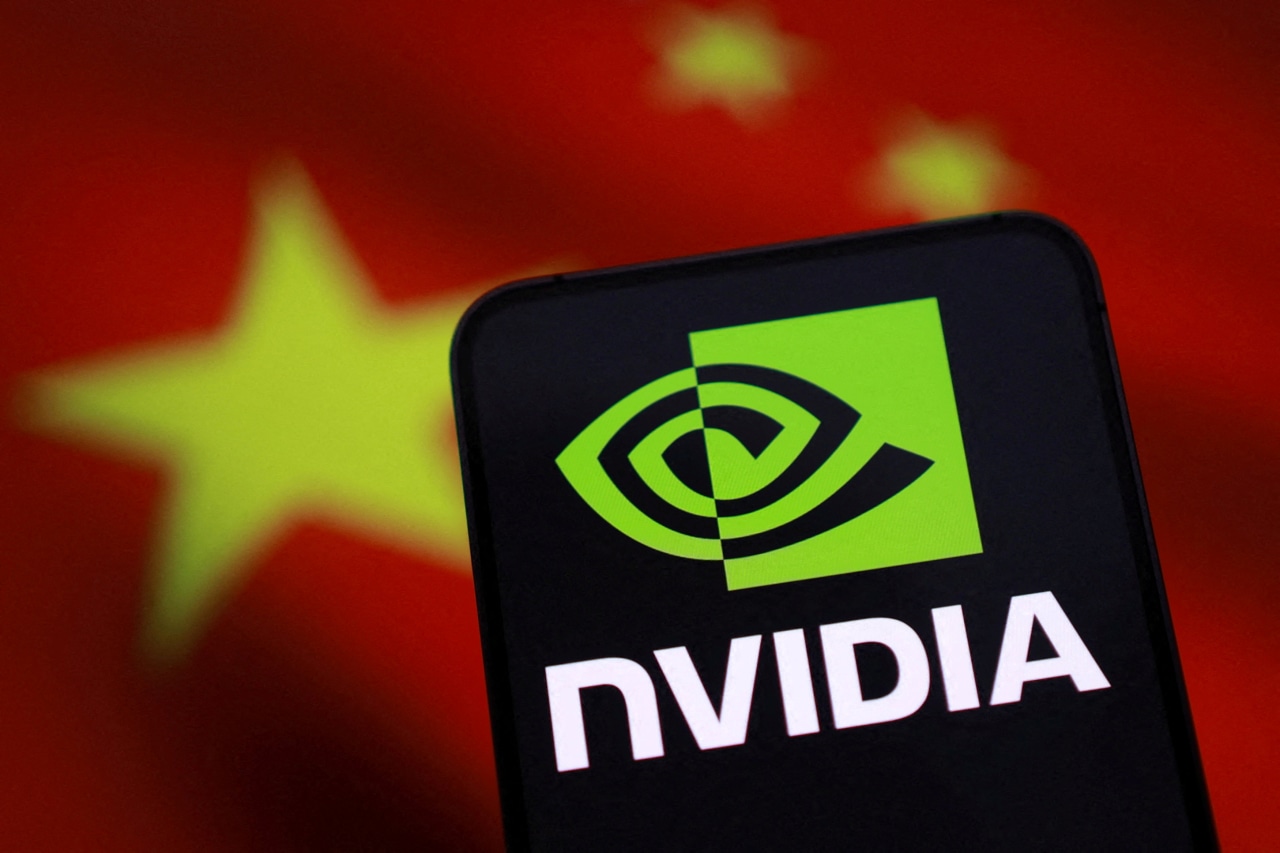
In parallel, the administration’s dealings with Nvidia demonstrate another layer of complexity. Nvidia, a leading semiconductor company, has come under scrutiny for its business ties with China. Although the U.S. has imposed restrictions on certain technology exports to China, the administration’s actions have not consistently aligned with its tough talk. This inconsistency raises doubts about the effectiveness of the strategy and its implications for American businesses.
Trump’s critics argue that without a clear and consistent policy framework, the U.S. risks falling behind in the global technology race. The emphasis on confrontation with China must be matched by strategic partnerships and support for domestic innovation. The lack of a coherent approach could ultimately weaken the United States’ position in negotiations and trade discussions.
The Broader Impact on U.S.-China Relations
The fluctuating stance towards China has broader implications for U.S.-China relations. As the world’s two largest economies navigate a complex landscape, clarity and consistency in policy are essential. The mixed messages can lead to miscalculations, heightening tensions and impacting global markets.
Trump’s focus on China resonates with a significant portion of the American electorate, who view the nation as a strategic competitor. However, the effectiveness of his strategy will depend on the ability to translate rhetoric into actionable policies that address the multifaceted challenges posed by China’s rise.
Looking ahead, the administration faces the challenge of crafting a balanced approach that safeguards national interests while fostering economic growth. Critics urge for a more nuanced strategy that recognizes the interconnectedness of global supply chains and the importance of international cooperation.
In conclusion, while the NSS signals a serious intent to confront China’s ambitions, the current trajectory suggests a need for reevaluation. The U.S. must commit to a coherent strategy that not only addresses immediate concerns but also positions the nation for long-term success in an increasingly competitive global landscape.