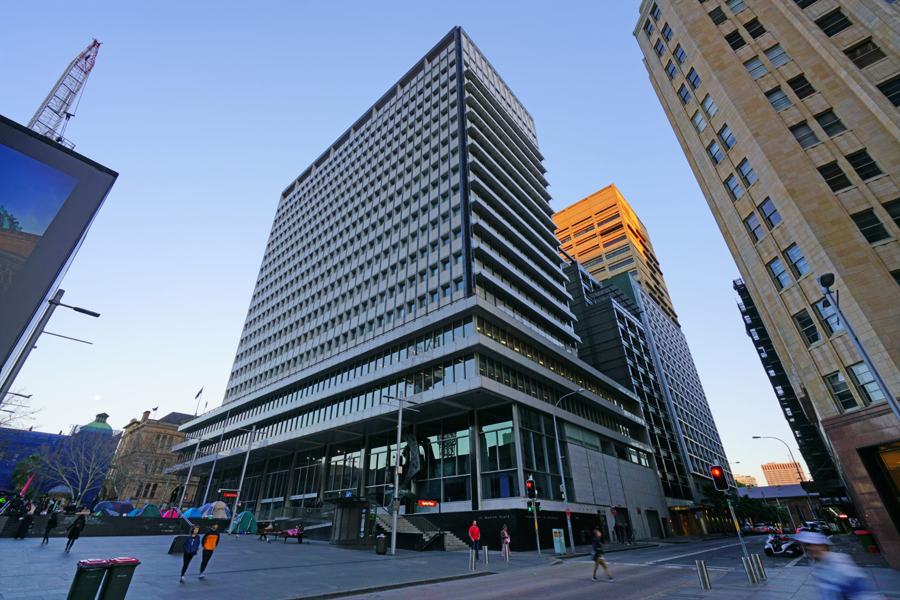
The Reserve Bank of Australia (RBA) has released the minutes from its December 2025 Monetary Policy Board meeting, indicating growing concerns about inflation risks and the potential need for future tightening of monetary policy. While the cash rate remains unchanged at 3.60%, the board’s discussions highlight a shift in sentiment regarding ongoing inflation pressures.
During the meeting, members expressed a decreasing confidence that current monetary policy levels are sufficiently restrictive. The latest inflation data, including the inaugural full monthly Consumer Price Index (CPI) release, suggests that inflation may be more persistent than earlier anticipated. Headline inflation rose to 3.8% in October, and various indicators point to increasing cost pressures across the economy.
Inflation Data Raises Concerns
The board noted that unit labour costs and average earnings have surpassed expectations, while capacity-utilisation measures indicate a potential state of excess demand within the economy. Although the new monthly CPI series is still in its early stages, marked by volatility and challenges in seasonal adjustment, the board agreed to rely on quarterly CPI as the primary measure of underlying inflation momentum for the time being. The upcoming December-quarter inflation data will be critical ahead of the next board meeting in February.
A notable point of contention among board members was the assessment of current financial conditions. Some members argued that these conditions may no longer be restrictive, citing stronger credit growth and a resurgence in housing activity following previous policy easing. Others maintained that conditions remain mildly restrictive, highlighting elevated mortgage prepayments and a high level of household savings, alongside the delayed effects of past monetary policy decisions.
Labour Market and Future Considerations
The discussion also touched upon the state of the labour market, which members described as “a little tight.” They noted low underutilisation rates, ongoing hiring difficulties, and upward revisions to estimates of excess demand. The recent uptick in the unemployment rate was interpreted as a temporary fluctuation, thus reducing the likelihood of significant easing in labour-market conditions.
Although the board concluded it is premature to determine if inflation persistence has significantly increased, members considered scenarios where an increase in the cash rate might be necessary in the upcoming year if price pressures and capacity constraints do not abate. Overall, the balance of risks has shifted towards the upside, reinforcing a cautious and data-dependent approach moving forward.