URGENT UPDATE: A controversial neo-Nazi has just applied to change their gender status to non-binary while evading authorities. Marla-Svenja Liebich, formerly known as Sven, previously registered as a woman to avoid serving time in a men’s prison after being convicted of inciting hatred and other crimes in July 2023.
Liebich’s latest move comes after failing to report to a women’s prison in Chemnitz, Saxony, where they were ordered to serve an 18-month sentence. Authorities now classify Liebich as a fugitive, raising significant concerns over the implications of this case for Germany’s gender reform laws.
In a statement to Euronews, Liebich expressed disillusionment with their gender identity, saying, “Being a woman no longer feels right… the harassment makes me feel neither like a fully fledged woman nor a man.” This statement has ignited a firestorm of debate regarding the motivations behind Liebich’s gender transition, which many fear is being exploited to secure more favorable conditions while incarcerated.
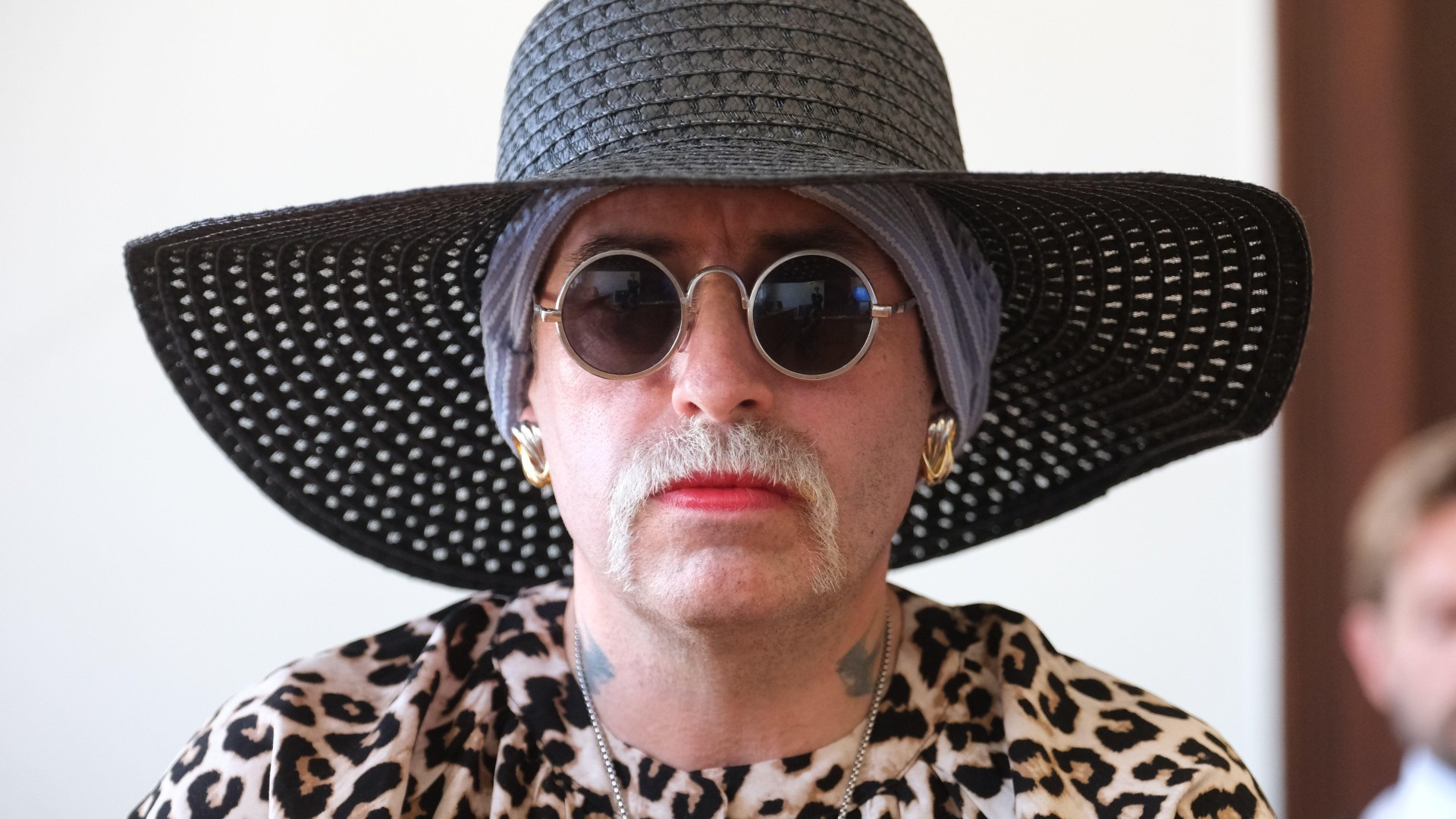
Previously a member of the banned neo-Nazi group Blood and Honour, Liebich has a long history of far-right activism, including disrupting Pride events and posting derogatory remarks about the LGBTQ community. Their transition to womanhood garnered significant media attention, especially considering they attended court donning a leopard-print top and makeup, yet retained a distinctive mustache.
Liebich’s criminal record includes inciting hatred and promoting violence, even advertising a baseball bat as a “deportation aid.” Despite these convictions, Germany’s recent gender reform law—introduced in 2023—allows individuals to change their registered gender with minimal requirements. Critics argue that this loophole could enable offenders like Liebich to manipulate the system freely.
After failing to appear at the Chemnitz women’s facility, Liebich posted on social media, “love from Moscow,” suggesting an intention to evade capture. Now, while still on the run, Liebich’s request to identify as non-binary has raised alarms about the potential misuse of Germany’s self-determination law, which now permits individuals to change their gender status twice a year without medical evaluations.
Authorities stress that individuals must appear in person at a registry office to formalize their gender change. Liebich claims that this requirement infringes on their personal rights, arguing that appearing would lead to immediate arrest and hinder their application. An official complaint has been lodged based on this assertion.
This developing situation not only underscores the complexities surrounding gender identity but also highlights the urgent need for a re-evaluation of the legal framework governing gender changes in Germany. As public backlash mounts, the case serves as a critical test of the self-determination law’s integrity.
As Liebich continues to navigate these legal challenges from hiding, the implications of their actions resonate beyond personal identity—sparking a national conversation on policy reform and accountability in the face of extremist ideologies. What happens next remains uncertain, but the impact of Liebich’s actions is already being felt across Germany and beyond.
Stay with us for live updates on this unfolding story.