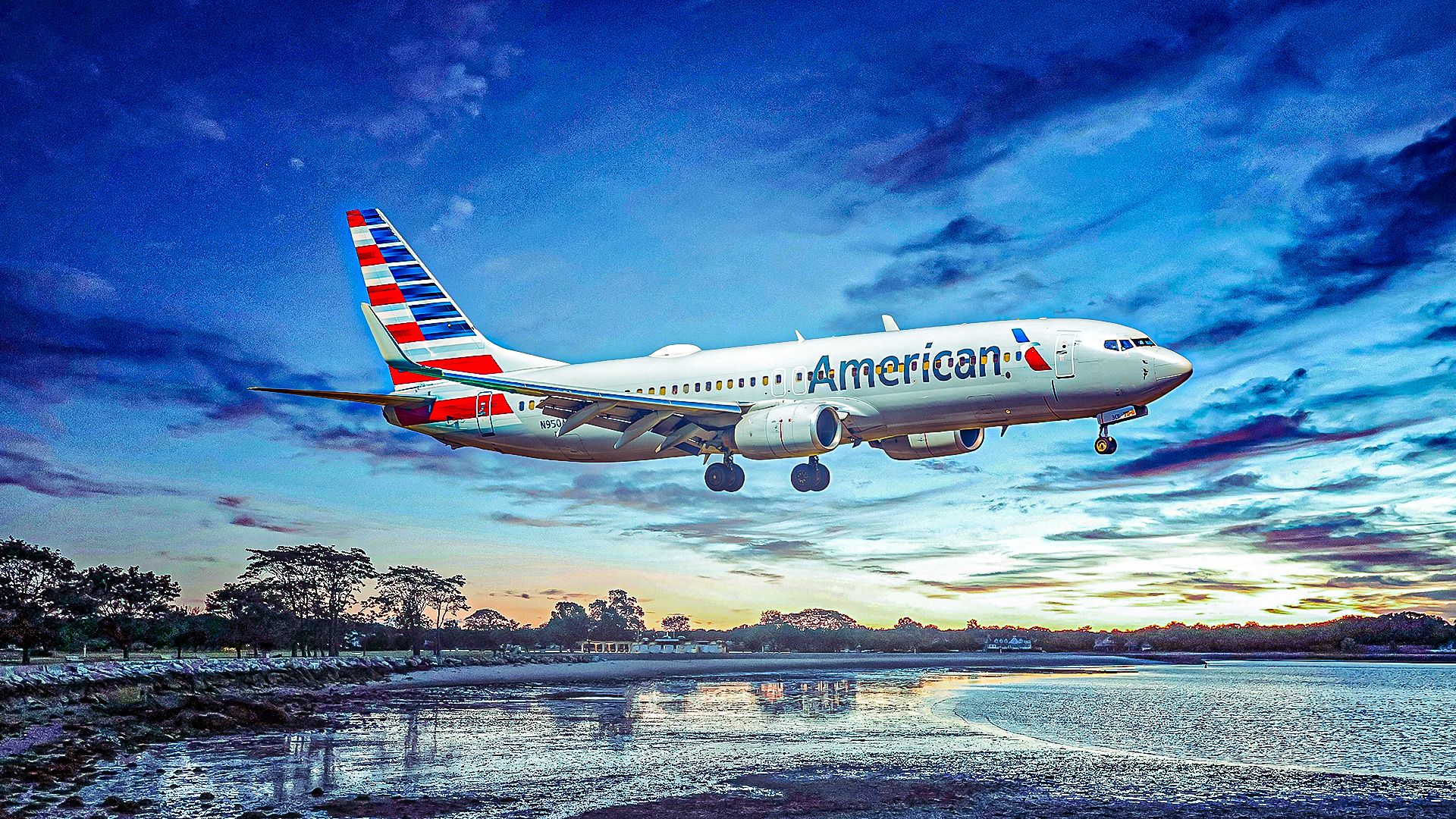
American Airlines is enhancing its flight hold program to improve passenger connections at several major airports. The airline aims to minimize missed connections for travelers with short layovers by temporarily delaying certain departures. This service is designed to ensure that late-arriving passengers can board without disrupting the entire flight schedule.
The initiative addresses a common issue in hub travel, where passengers often arrive at the gate just as the jet bridge is detaching. By leveraging data analytics, American Airlines seeks to determine when a brief hold can reduce instances of missed connections and the subsequent need for rebooking. This adjustment could significantly impact the airline’s operational efficiency, potentially saving millions of dollars spent on accommodating passengers who miss their flights.
New Airports Added to the Flight Hold Program
Initially tested at Dallas/Fort Worth International Airport (DFW) and Charlotte Douglas International Airport (CLT), the flight hold program will now expand to five additional airports: Chicago O’Hare International Airport (ORD), Phoenix Sky Harbor International Airport (PHX), Miami International Airport (MIA), Philadelphia International Airport (PHL), and Los Angeles International Airport (LAX). This expansion comes ahead of the 2026 FIFA World Cup, indicating a strategic move to enhance customer experience during a period of increased air travel.
The decision-making process for holding a flight involves an in-house artificial intelligence tool that analyzes various inputs. When a hold is approved, affected passengers receive an automated text message alerting them to the delay with a countdown.
An American Airlines spokesperson explained, “American considers a complex algorithm that takes dozens of inputs that the tool analyzes to ensure there is no downline impact on the overall schedule or customer itineraries.” This approach highlights the airline’s commitment to improving operational efficiency while prioritizing customer satisfaction.
Operational Benefits of the Flight Hold System
Holding a flight at the gate allows airlines to accommodate late passengers while keeping crews, aircraft, and gates in sync. The algorithm evaluates whether a short delay can be managed without causing further disruptions in the flight schedule. If feasible, station teams implement the hold in real time, allowing for a seamless experience for passengers.
While this initiative offers a valuable service, American Airlines emphasizes that holds are not guaranteed for every situation. The decision to delay a flight remains at the discretion of the airline and its local teams. This flexibility ensures that operational integrity is maintained without compromising the schedules of other flights.
The selection of airports for this program reflects a strategic focus on high-volume connection hubs. By addressing missed connections, American Airlines hopes to alleviate the costs associated with rebooking, misrouted bags, and the need for hotel accommodations. The targeted hold system aims to enhance the overall travel experience, encouraging passengers to book tighter connections without undue fear of delays.
Competitors in the industry have also explored similar strategies. For instance, United Airlines has automated connection protection, while other airlines focus on timely notifications to manage passenger itineraries. American Airlines’ flight hold program represents a tailored approach that not only aims to enhance operational efficiency but also strives to foster customer loyalty by demonstrating a commitment to preserving travel plans.
As the airline industry continues to evolve, innovations like the flight hold program may set new standards for customer service and operational efficiency, reinforcing American Airlines’ position as a leader in the sector.