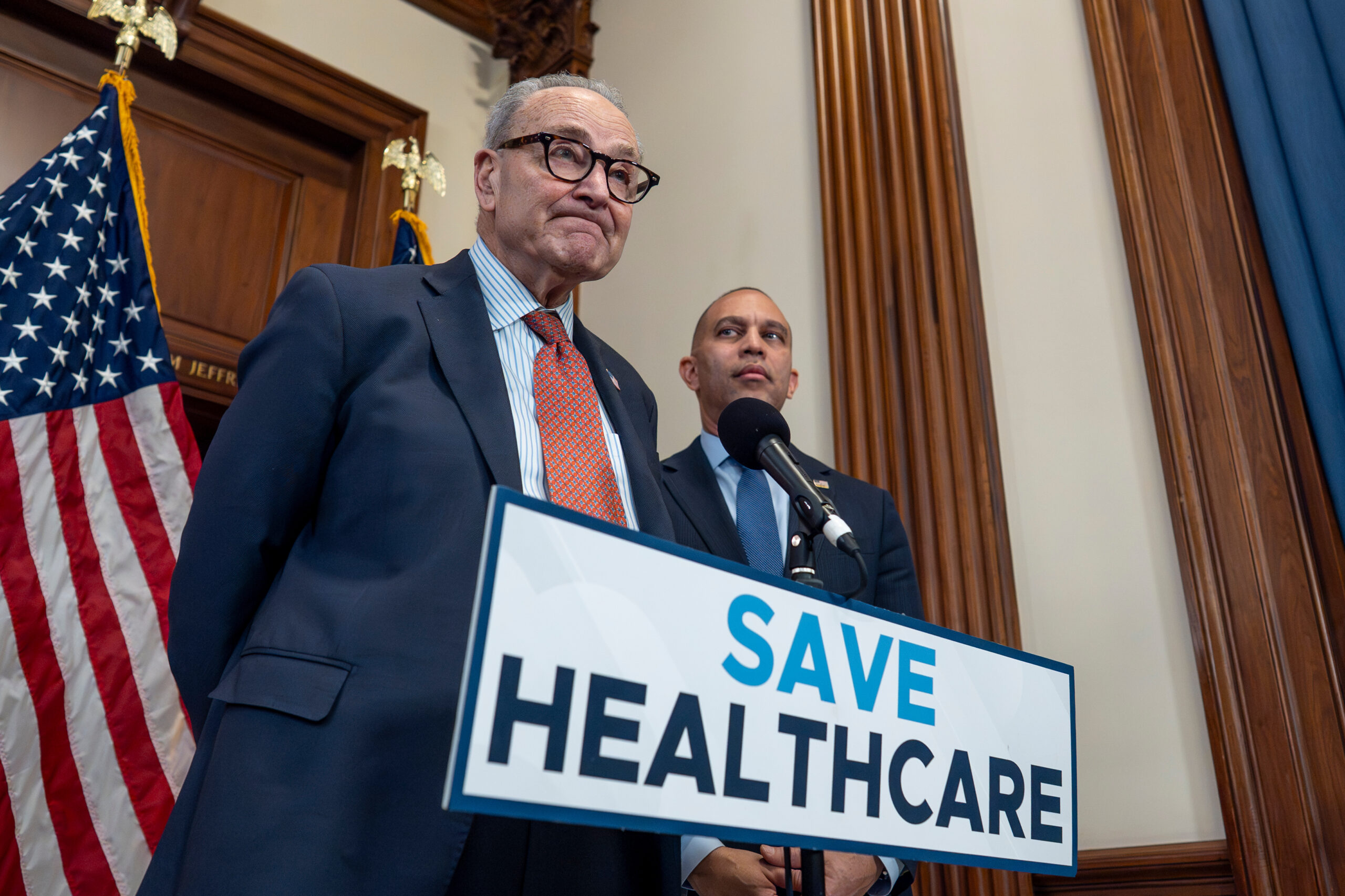
The U.S. Senate’s recent inability to pass the Mikaela Naylon Give Kids A Chance Act has raised significant concerns regarding the future of pediatric cancer research funding. The bill, which aims to allocate vital resources to combat childhood cancer, faced opposition from Senator Bernie Sanders, resulting in its failure to advance.
During an interview with CNN, Nancy Goodman, Executive Director for KidsvCancer.org, expressed her disappointment over the Senate’s decision. Goodman emphasized the critical need for increased funding to support research initiatives that could save children’s lives. The bill was named after Mikaela Naylon, a young girl whose battle with cancer highlighted the urgent need for better treatment options and funding.
In related political developments, Rep. Ro Khanna announced he is contemplating filing articles of impeachment against Attorney General Pam Bondi. Khanna’s concerns stem from the Department of Justice’s extensive redactions in files related to Jeffrey Epstein, which he argues raises serious transparency issues.
Tensions are also brewing within the conservative movement as notable figures, including Ben Shapiro and Tucker Carlson, engaged in a public feud during their speeches at the annual Turning Point USA youth conference. This discord reflects ongoing ideological rifts that may impact future political strategies.
In a separate context, the U.S. Department of Health and Human Services is reportedly planning to revise the schedule of recommended vaccines for children. This potential overhaul could affect several childhood vaccination programs, drawing both support and criticism from various stakeholders.
The ramifications of the Senate’s decision on the Mikaela Naylon bill extend beyond politics, as families affected by pediatric cancer continue to seek answers and support. With funding for research at a critical juncture, advocates are pushing for renewed efforts to secure resources that could make a difference in the lives of countless children battling cancer.
As discussions surrounding these pressing issues unfold, the implications for healthcare, legal accountability, and political unity remain a focal point for many Americans. The response from lawmakers and the public will likely shape the landscape of both pediatric cancer research and broader political discourse in the months to come.