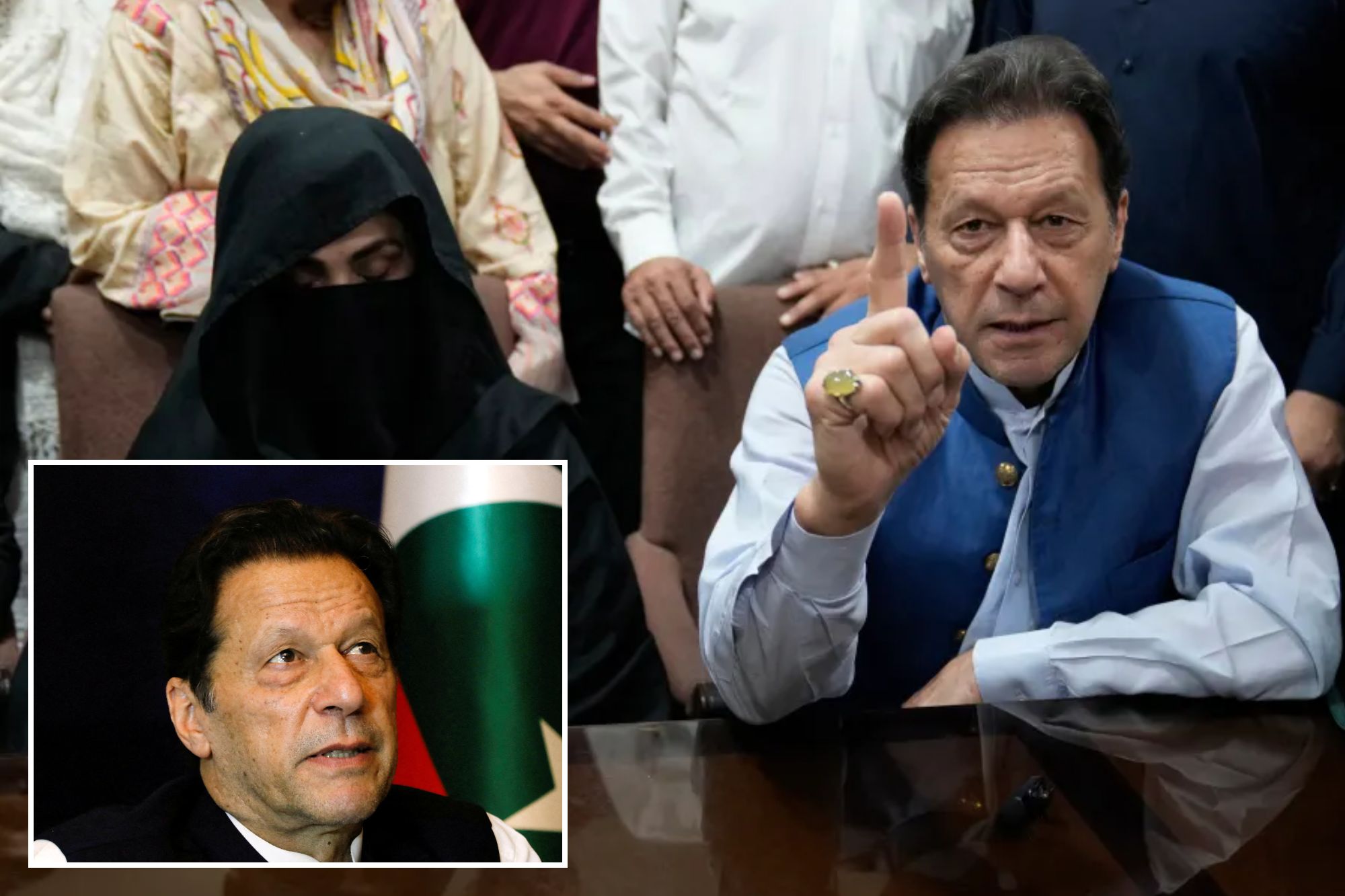
A Pakistani court has convicted former Prime Minister Imran Khan and his wife Bushra Bibi to 17 years in prison for selling state gifts. The ruling, delivered on October 28, 2023, found the couple guilty of retaining and selling these gifts, including valuable jewelry received from the Saudi Arabian government, at prices significantly below their market value.
The court’s decision follows an indictment that took place last year, with both Khan and Bibi pleading not guilty. Prosecutors maintained that the couple had declared the gifts’ value at just over $10,000, while their actual market value was estimated at $285,521. This discrepancy allowed them to acquire the items at a greatly reduced price, violating Pakistani laws that require government officials to declare gifts at their assessed market value and to report any profits from their sale.
Khan’s attorney, Salman Safdar, announced intentions to appeal the ruling, asserting that the case lacked sufficient evidence. Meanwhile, Khan’s spokesperson, Zulfiquar Bukhari, criticized the sentencing, claiming it disregarded fundamental principles of justice. He stated that criminal liability was determined without proof of intent or financial gain, characterizing the ruling as a “retrospective reinterpretation of rules.”
Political Ramifications and Reactions
The Pakistan Tehreek-e-Insaf (PTI), Khan’s political party, condemned the verdict as a “black chapter in history.” In a statement, the PTI expressed concern that the ruling was delivered during a closed-door session at Adiala Prison in Rawalpindi, where Khan was present. The party claimed that this scenario undermined the fairness of the trial, with leaders asserting that a “closed-door jail trial is neither free nor fair.”
Senior PTI leader Omar Ayub echoed these sentiments on social media, stating that there is “no rule of law in Pakistan.” In contrast, Information Minister Attaullah Tarar defended the court’s decision, claiming it was based on solid evidence of corruption. He reiterated that the judiciary delivered a fair verdict.
Khan, 73, was ousted from his position as Prime Minister during a no-confidence vote in April 2022. Since then, he has remained a prominent figure in Pakistani politics, despite his party’s current opposition status in the parliament. The PTI recently performed well in the February 8, 2024, parliamentary elections but fell short of securing a majority, alleging that the vote was manipulated—claims that the government has denied.
Khan’s main political rival, current Prime Minister Shehbaz Sharif, has been a key opponent since Khan’s removal. Following his ouster, Khan has repeatedly suggested that his political downfall resulted from a conspiracy supported by the United States and backed by Pakistan’s military. Washington, the military, and Khan’s political adversaries have all rejected these assertions.
As of now, Khan is serving multiple prison sentences stemming from various corruption convictions and other charges, which he and his supporters contend are politically motivated efforts to suppress his career. The fallout from this latest ruling is likely to further polarize the political landscape in Pakistan, raising questions about the rule of law and the integrity of the judicial process.