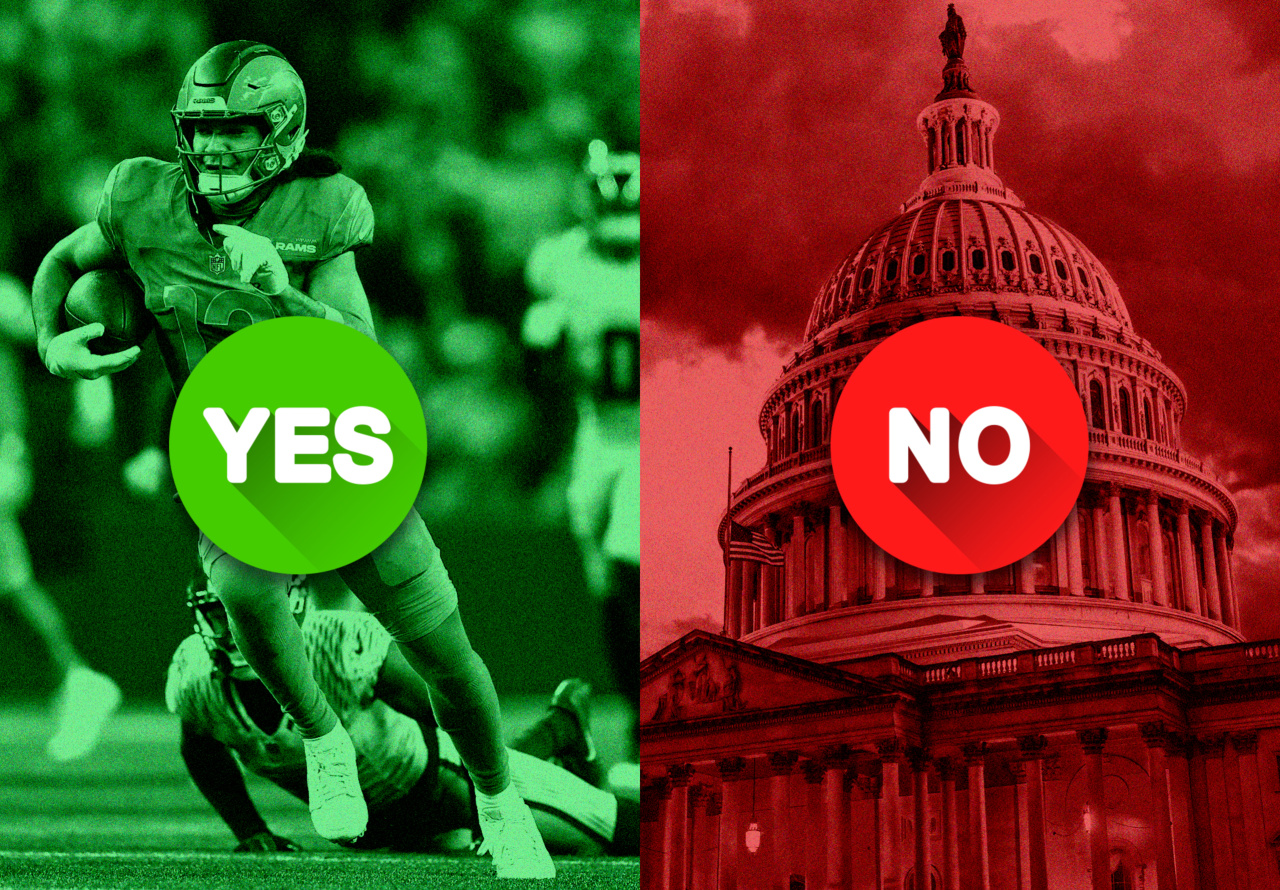
The landscape of prediction markets has undergone a significant transformation, particularly evident since the 2024 Presidential Election. These markets, which accurately forecasted election outcomes before traditional polls could, are now experiencing a remarkable shift toward sports betting. As of 2025, the growth in these markets has been exponential, reflecting a broader trend in consumer interests and investment strategies.
The surge in prediction markets highlights their increasing relevance in various sectors, particularly sports. This shift indicates a growing acceptance and enthusiasm for betting on sporting events, moving away from political forecasts that once dominated discussions. Industry analysts note that this transition aligns with the general public’s heightened engagement with sports, especially in light of major tournaments and events scheduled throughout the year.
Rising Popularity of Sports Betting
As interest in sports betting escalates, platforms dedicated to prediction markets are adapting to meet consumer demand. According to data from the Global Betting and Gaming Consultants, the sports betting market is projected to reach approximately $150 billion by 2026, a stark increase from previous years. This transition reflects not only a shift in user preferences but also the potential for significant revenue generation within the industry.
The rise of mobile betting applications has further facilitated this trend. Users can now place bets on a range of sports events from anywhere, making the process more accessible than ever before. This convenience is likely to attract a younger demographic, which is crucial for the long-term sustainability of prediction markets focused on sports.
Impact of Technology and Regulation
Technological advancements have played a pivotal role in this evolution. Enhanced algorithms and data analysis tools have improved the accuracy of predictions, allowing bettors to make more informed decisions. Furthermore, regulatory changes in various jurisdictions have opened up markets, providing a legal framework that encourages participation and investment.
In the United States, for example, the lifting of restrictions on sports betting in numerous states has led to a surge in both participation and revenue. According to the American Gaming Association, sports betting revenue in the U.S. reached an estimated $4.3 billion in 2022, a figure that is expected to climb as more states legalize the practice.
The ongoing developments in prediction markets signal a new era for both sports enthusiasts and investors. As these platforms evolve, they will likely continue to shape how people engage with sports, blurring the lines between entertainment and investment.
In summary, the shift from political prediction markets to sports betting reflects broader societal trends and technological advancements. With the continued growth projected for the industry, stakeholders are poised to capitalize on this dynamic change, making the upcoming years critical for the future of prediction markets.