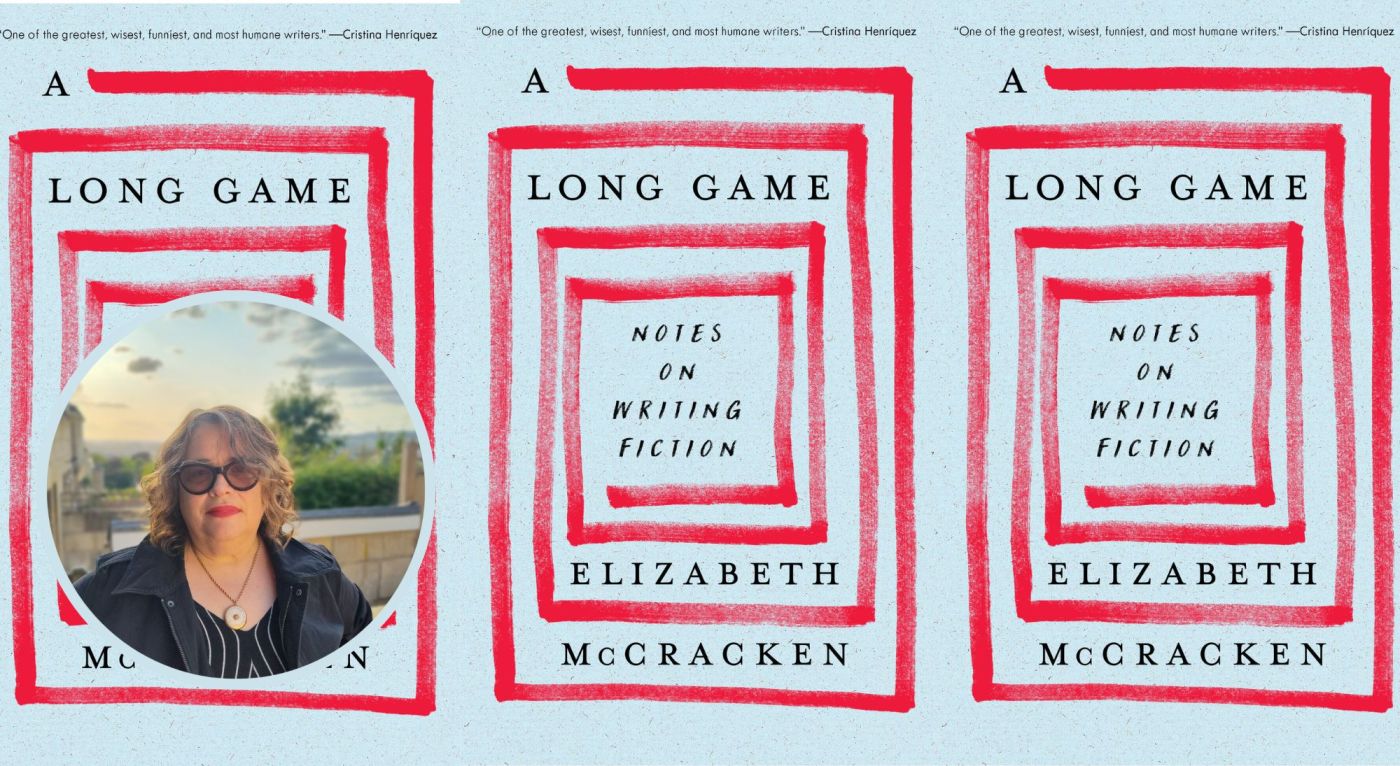
Renowned author Elizabeth McCracken recently shared insights about her writing journey and her new book, “A Long Game: Notes on Writing Fiction.” McCracken, known for her acclaimed works including the National Book Award finalist “The Giant’s House,” spoke about the evolution of her latest release and her experiences as a judge for the National Book Awards.
In a conversation filled with warmth and humor, McCracken described her new book as a guide to writing fiction, infused with advice and observations. “It’s divided into 280 sections, with an index,” she noted, emphasizing the book’s practical utility. She also expressed her joy in writing it, stating, “Once I started writing without aiming it at writers, I began to enjoy the process.”
Insights on Writing and Literary Influences
McCracken reflected on the challenges of her initial draft, admitting it was a difficult start because of her focus on potential readers. She said, “The first draft was a slog—and also quite bad—because I was so fixated on who would read it.” This shift in perspective allowed her to embrace the writing process fully, which she found necessary for authentic expression.
During her recent tenure as a judge for the National Book Awards, McCracken read an extensive number of submissions. While the details of the judging process remain confidential, she expressed admiration for all the works considered. Among the standout titles, she praised Yiyun Li’s “Things in Nature Merely Grow,” which was shortlisted for nonfiction.
Readers often seek recommendations, and McCracken readily shares her favorites. She highlighted two smaller yet impactful works, “Utz” by Bruce Chatwin and “Maud Martha” by Gwendolyn Brooks, as significant influences in her literary journey.
Personal Reading and Writing Experience
McCracken’s reading habits reflect her eclectic tastes. Currently, she is delving into Lauren Hough’s upcoming book, “Monster of a Land,” which she describes as a modern twist on the classic “Travels With Charley.” The author’s unique voice captivates her, and she recognizes the power of literature to evoke unexpected emotions.
Reflecting on her formative years, McCracken recalled the impact of “Eloise” by Kay Thompson and Hilary Knight on her childhood. She appreciated the complexities of the character and the imaginative storytelling that shaped her love for reading.
When asked about her book preferences, McCracken admitted to a reluctance to tackle large historical novels, particularly those set before the year 1400. Despite this, she expressed her admiration for “The Hunchback of Notre Dame,” which is set in the 15th century.
Her reading journey is also influenced by personal connections. She credits her brother, Harry McCracken, with teaching her to read, aided by “Sesame Street.” This familial bond highlights the importance of community in cultivating a love for literature.
As McCracken continues to engage with literature both as a writer and reader, she remains open to discovering new voices and stories. She invites readers to share their recommendations, showcasing her belief in the power of literature to connect individuals across different experiences and perspectives.