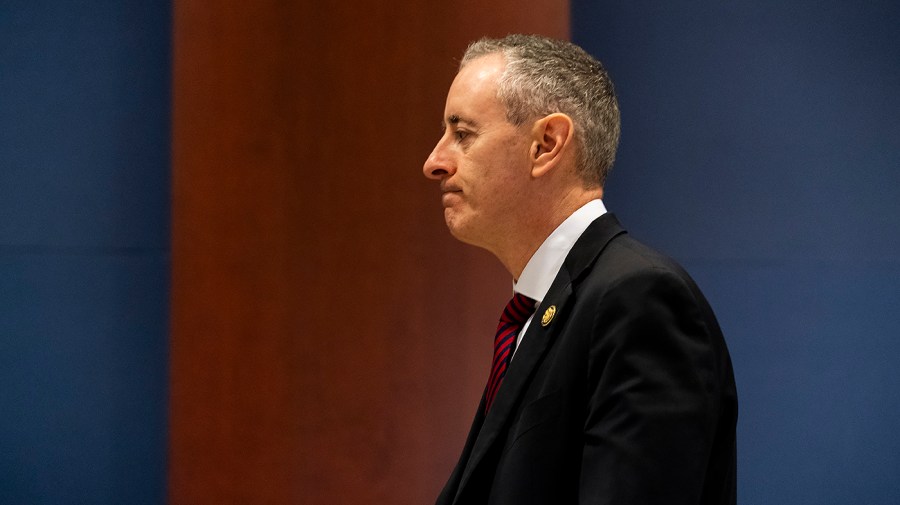
Rep. Brian Fitzpatrick (R-Pa.) has raised significant concerns regarding the Republican Party’s handling of amendments related to ObamaCare. On Wednesday, Fitzpatrick alleged that GOP leaders deliberately structured the debate around a series of Republican amendments to ensure their failure. He criticized this approach, stating, “Fear of a bill getting 218 votes on the floor is not a reason to keep it off. It’s a reason to put it on the floor.”
Fitzpatrick’s comments reflect a growing frustration among some lawmakers who believe that the party’s leadership is more focused on political strategy than on pursuing viable healthcare solutions. The amendments, aimed at modifying aspects of the Affordable Care Act, were intended to garner support from various factions within the party. Instead, Fitzpatrick suggests that the leadership’s strategy is undermining these efforts.
During a press conference, he elaborated on his stance, calling for more open debate on the proposed amendments. “If we truly want to represent our constituents, we need to allow for a full discussion of these proposals,” he added. The congressman emphasized that blocking legislation out of fear of its potential success does not serve the interests of the American people.
The remarks come at a critical time when healthcare remains a pivotal issue for voters, especially in the lead-up to the 2024 elections. The Republican Party has faced increasing pressure to propose alternatives to ObamaCare that could resonate with constituents. Fitzpatrick’s call for transparency and inclusivity in the legislative process may resonate with those who feel sidelined by current party dynamics.
As the debate continues, it remains to be seen how GOP leadership will respond to Fitzpatrick’s accusations. The House of Representatives is expected to consider various healthcare-related proposals in the coming weeks, and the outcome could have significant implications for the party’s platform moving forward.
In summary, Fitzpatrick’s remarks highlight a rift within the Republican Party regarding the approach to healthcare policy. As discussions unfold, the emphasis on transparency and constructive dialogue will be critical to shaping the future of healthcare legislation in the United States.