Italy has indicated it may withdraw support for the EU-Mercosur free trade agreement unless significant changes are made. This announcement comes as European leaders convene for a summit in **Brussels** and amidst growing unrest among Italian farmers opposed to the trade deal.
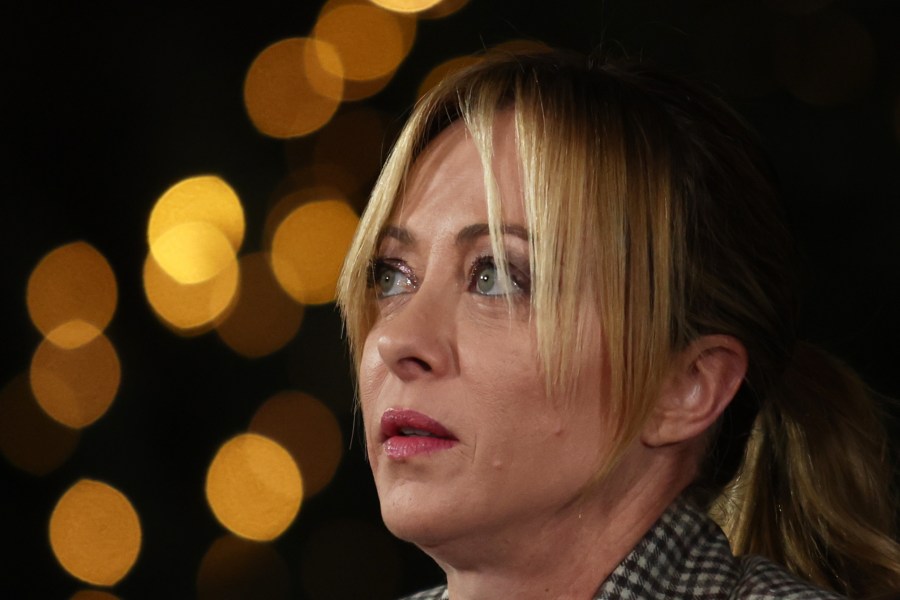
Premier Giorgia Meloni expressed her concerns over the agreement, emphasizing the need for a thorough reassessment. The deal, which aims to strengthen trade ties between the **European Union** and the South American trade bloc **Mercosur**, has faced criticism primarily regarding its potential impact on local agriculture and environmental standards.
Farmers from various regions in Italy have mobilized in response to the proposed agreement, fearing that an influx of South American agricultural products could undermine local markets. Demonstrators gathered in **Brussels**, voicing their opposition and urging for a reconsideration of the agreement’s terms.
During a press conference, Meloni stated, “We must ensure that our farmers are not put at a disadvantage. The protection of our agricultural sector is non-negotiable.” This statement reflects a broader concern among Italian policymakers about the implications of increased competition from Mercosur countries, which include **Argentina**, **Brazil**, **Paraguay**, and **Uruguay**.
The EU-Mercosur deal, originally agreed upon in **2019**, has been stalled as various member states voice their apprehensions about its economic and environmental consequences. Italy’s position is particularly significant as it represents a growing faction within the EU advocating for more stringent safeguards for local industries.
As the summit progresses, the reactions from other member states remain to be seen. Some leaders have expressed support for the deal, arguing that it could bolster trade and economic recovery post-pandemic. Nonetheless, the dissent from Italy could complicate efforts to finalize the agreement, which is already facing scrutiny from environmental groups concerned about the potential impact on deforestation and climate change in South America.
Negotiations regarding the EU-Mercosur deal are expected to continue in the coming weeks, with Meloni’s administration likely to push for amendments that address the specific concerns of Italian farmers and other stakeholders. The outcome of these discussions may ultimately determine the future of one of the largest trade agreements in history.
As the situation evolves, the balance between economic aspirations and the protection of local interests will remain a pivotal issue for the European Union.