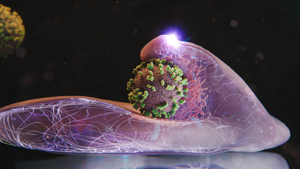
Researchers from Switzerland and Japan have successfully captured the exact moment an individual becomes infected with the influenza virus. This groundbreaking achievement, announced in February 2024, marks a significant advancement in the field of infectious disease research. By observing the infection process in high resolution, scientists aim to develop antiviral therapies that target the virus more effectively.
The study, conducted by a team from the University of Zurich and the National Institute of Infectious Diseases in Japan, utilized advanced imaging techniques to visualize how the virus interacts with human cells. This high-resolution observation reveals the intricate steps involved in infection, providing valuable insights into how the virus penetrates cellular defenses.
Understanding these mechanisms is crucial for developing new treatment options. Currently, many antiviral drugs are broad-spectrum and often lack specificity, leading to side effects and reduced efficacy. The researchers believe that detailed observations of the infection process can inform the design of targeted therapies, which could enhance treatment outcomes for patients.
The implications of this research extend beyond influenza, as the methodology could be applied to other viral infections. By learning from the influenza virus, scientists may gain insights applicable to viruses such as SARS-CoV-2, the virus responsible for COVID-19.
The findings were published in a peer-reviewed journal, highlighting the collaborative effort between the two research teams. The study underscores the importance of international cooperation in tackling global health challenges.
According to the lead researcher from the University of Zurich, the ability to observe the infection process in real-time is a game-changer. “This research opens new avenues for antiviral drug development by allowing us to see exactly how the virus operates at the cellular level,” he noted.
As influenza continues to pose a significant public health threat, especially during seasonal outbreaks, this research offers hope for more effective treatments in the near future. The ability to intervene at the moment of infection could significantly reduce the burden of the disease.
In conclusion, the work done by these researchers could mark a pivotal moment in the fight against viral infections. With further studies and potential applications on the horizon, the scientific community watches closely as this research progresses toward clinical applications that may ultimately save lives.